 how-to
What Happens to SMP After 5 Years
Table of Contents
- Scalp Micropigmentation Changes Over Time
- How Long Does Scalp Micropigmentation Last
- SMP Fading Causes and Why Pigment Lightens
- SMP After 10 Years: Long-Term Appearance and Expectations
- Scalp Micropigmentation Touch-Up: When and Why
- Distinguishing Normal Fading From Poor Application or Migration
- Correcting Unwanted Long-Term Results
- Frequently Asked Questions
Last Updated: October 9, 2026
Scalp Micropigmentation Changes Over Time
Scalp micropigmentation is a cosmetic procedure that creates the appearance of hair follicles on the scalp. It uses specialized pigments applied to the skin's upper layers. Over time, SMP after 5 years shows visible changes in how it looks and feels. Understanding these changes helps you plan for maintenance and manage realistic expectations about your investment.
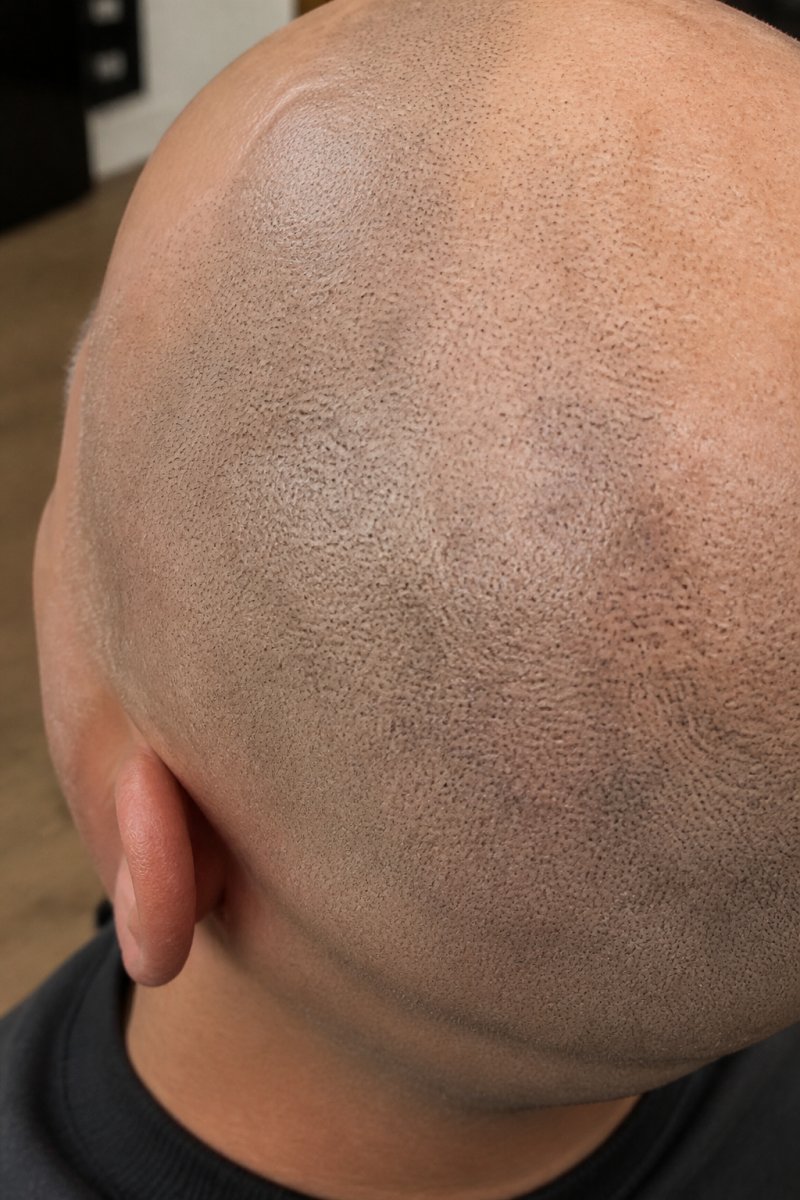
The pigment doesn't disappear overnight. Instead, it fades gradually. Think of it like a tattoo on your arm that sits in the sun for years. The color shifts. The edges soften. What looked crisp and defined becomes more blended and subtle. This is completely normal and expected.
At Tonni Petty PMU Artistry, we counsel clients on this timeline during their initial consultation. Knowing what to expect helps you feel confident about your choice and prepared for touch-ups when the time comes.
How Long Does Scalp Micropigmentation Last
Scalp micropigmentation typically lasts between 4 to 6 years before noticeable fading becomes apparent. Some clients see their results hold strong for 5 years with minimal changes. Others notice softening by year three.
The procedure is not permanent in the way a traditional tattoo is. The pigments used in SMP are designed to fade gradually rather than stay indefinitely. This is actually by design. It allows you to adjust your look over time or stop maintenance if you choose to.
Most practitioners recommend planning your first touch-up somewhere between years 4 and 6. This timing lets you refresh the pigment before it fades too much. A touch-up is faster and less intensive than the initial treatment. You're maintaining what's there, not starting from scratch.
SMP Fading Causes and Why Pigment Lightens
Pigment fades for several biological and environmental reasons. Understanding why helps you slow the process and extend your results.
Sun Exposure and UV Damage
UV rays break down pigment molecules over time. Think of it like how a colored piece of paper left in a sunny window loses its brightness. Your scalp is exposed every day. Even brief sun exposure adds up.
Protecting your scalp from the sun is one of the most effective ways to preserve your SMP. Wear hats when you're outside for extended periods. Use sunscreen on your scalp if it's exposed. These simple steps can add years to your pigment's appearance.
Skin Type and Pigment Retention
Your skin's natural characteristics affect how long pigment stays visible. Oily skin tends to shed pigment faster than dry skin. This happens because oil can push pigment particles outward as your skin naturally renews itself.
Darker skin tones retain pigment differently than lighter skin. The pigment may appear to fade faster on darker skin simply because the contrast decreases. The pigment is still there. It just blends more with your natural skin tone.
Sensitive or reactive skin can also influence fading. If your scalp gets irritated easily, inflammation can speed up pigment loss. Managing skin health through gentle care helps maintain your results.
Aftercare and Maintenance Impact
What you do in the first two weeks after your procedure matters significantly. Proper aftercare protects the fresh pigment and helps it settle into your skin correctly. Neglecting aftercare can lead to faster fading or uneven color loss.
Beyond the initial healing period, daily habits affect longevity. Regular washing with harsh products, aggressive scratching, or picking at your scalp can disrupt pigment. Gentle care extends the life of your SMP.
Moisturizing your scalp keeps the skin healthy. Healthy skin holds pigment better than dry, damaged skin. Use products designed for sensitive scalps if yours is reactive.
SMP After 10 Years: Long-Term Appearance and Expectations
Most articles stop at the five-year mark. A year-by-year timeline through year 10 gives you a clearer planning tool, because SMP does not fade at a steady rate, the pace slows, then plateaus, then may shift again depending on touch-up history and sun exposure.
A Year-by-Year Timeline Beyond Year 5
Year 5. Pigment is typically 30-50% lighter than the fresh result, depending on skin type and sun exposure. Follicle dots are still visible but softer at the edges.
Year 6. If you have not had a touch-up, the contrast between pigment and surrounding skin drops noticeably.
Year 7. Without maintenance, many people describe the result as a "ghost" of the original. The pattern is still recognizable, but individual dots are hard to distinguish at normal viewing distance.
Year 8. Pigment that has not been refreshed may start to show uneven fading, denser in some zones, lighter in others.
Year 9. If you have had one or two touch-ups, the layered pigment often holds better than a single application.
Year 10. Two paths are common. With regular touch-ups every 2-4 years, the SMP can still look natural and defined.
What a 10-Year-Old Treatment Actually Looks Like
A well-maintained 10-year-old SMP usually shows softer edges, slightly warmer or lighter pigment tone, and a more blended hairline. A poorly maintained or poorly applied treatment may show blotchiness, blue or purple discoloration, or migration (pigment spreading beyond the original dots).
The difference between the two is rarely about the number of years. It is about pigment quality, application depth, aftercare, and whether touch-ups were done before fading became severe.
Deciding Whether to Continue Maintenance at Year 10
Some clients stop touch-ups at this stage because the faded result looks natural enough. Others continue because they prefer the denser, more defined look. Both are reasonable. The decision usually comes down to how the SMP looks in different lighting, how it photographs, and whether the maintenance schedule fits your budget and lifestyle.
If you are unsure, a consultation with an experienced practitioner can help you compare your current result against what a refresh would achieve, without committing to a full reapplication.
Scalp Micropigmentation Touch-Up: When and Why
Touch-ups are the maintenance layer of SMP. They are not a sign that the original procedure failed. They are a planned part of keeping the result looking consistent as pigment naturally fades.
Recognizing When a Touch-Up Is Needed
Watch for these signs that a touch-up is due:
- The pigment looks noticeably lighter than it did six months ago
- The hairline definition has softened significantly
- You can see your natural skin tone showing through where pigment was dense
- The color has shifted to a blue or purple tone instead of staying brown or black
- The overall effect looks faded or washed out compared to what you remember
A practical rule: if you have to squint or stand in specific lighting to see the follicle pattern, a touch-up is likely worthwhile. If the pattern is still visible in normal daylight and photographs well, you can usually wait.
Touch-Up Timeline and Frequency
Most clients need their first touch-up between years 4 and 6. After that, touch-ups become more frequent for some and less frequent for others, depending on how the pigment holds.
A common pattern:
- First touch-up: years 4-6
- Second touch-up: 2-3 years after the first
- Ongoing: every 2-4 years, depending on sun exposure, skin type, and how dense you want the result to stay
If you fade fast, you will touch up more often. If your pigment holds well, you will have longer stretches between visits. Planning touch-ups as maintenance rather than emergencies keeps your SMP looking its best and usually costs less per session than a full reapplication.
What a Touch-Up Actually Involves
A touch-up is not a full reapplication. It typically focuses on the areas that have faded most, often the hairline, the crown, and any zones with more sun exposure. The practitioner may add pigment to existing dots, refresh the edges, or adjust the tone if the original color has shifted.
Sessions are usually shorter than the initial treatment. Many clients need only one session, though some practitioners recommend a follow-up two to four weeks later to assess how the skin holds the refreshed pigment.
Avoiding Over-Darkening
One of the most common long-term risks is over-darkening. If touch-ups are done too frequently or with too much pigment, the result can become denser and darker than the original, sometimes looking like a solid block rather than individual follicles.
To avoid this:
- Wait until fading is clearly visible before scheduling a touch-up
- Work with a practitioner who assesses your existing pigment before adding more
- Ask about pigment tone matching, since older pigment may have shifted warmer or cooler over time
- Avoid stacking multiple touch-ups in a short window
Touch-Up vs. Full Reapplication
A touch-up refreshes existing work. A full reapplication starts over, usually because the original result has faded too much, migrated, or was poorly applied. If more than 60-70% of the original pattern is no longer visible, a practitioner may recommend reapplication rather than a touch-up.
The right choice depends on how much pigment remains, how even the fading is, and whether the original application is still structurally sound. A consultation can clarify which option fits your situation.
Distinguishing Normal Fading From Poor Application or Migration
Not all changes to your SMP are normal fading. Some issues signal that something went wrong during your initial treatment or that pigment migration has occurred.
Normal fading happens evenly across your scalp. The color lightens. The edges soften. But the overall pattern stays recognizable. The dots remain in their original positions.
Poor application or migration shows different patterns. Pigment may look blotchy or uneven. Some areas fade much faster than others.
If your SMP developed a blue or purple tone within the first year, that's often a sign of poor pigment choice or application depth.
Migration happens when pigment particles move under your skin over time. This creates blurring and loss of definition. It's more common with poor aftercare or lower-quality pigments.
If you're concerned your SMP shows signs of poor application, consult with an experienced practitioner. They can assess whether you're seeing normal fading or actual problems that need correction.
Correcting Unwanted Long-Term Results
If your SMP looks wrong after several years, you have options. You're not stuck with results you don't like.
Cosmetic pigment removal can lighten or remove unwanted SMP. This process uses specialized techniques to break down pigment so your body can eliminate it.
Corrective SMP is another option. An experienced practitioner can apply new pigment over existing faded pigment to improve the appearance.
Some clients choose to let their SMP fade completely and start fresh with a new procedure.
At Tonni Petty PMU Artistry, we offer cosmetic pigment removal services for clients dealing with unwanted results from previous procedures.
Understanding what happens to SMP after 5 years helps you make an informed decision about the procedure. Your scalp micropigmentation will fade gradually. Touch-ups will become part of your maintenance routine.
If you're considering scalp micropigmentation or need help with existing results, Tonni Petty PMU Artistry provides expert consultation and treatment.
Frequently Asked Questions
Will scalp micropigmentation fade after 5 years?
Yes, SMP gradually fades over time. Most clients see noticeable lightening within the first 3-5 years, with pigment becoming lighter and softer in appearance. The rate of fading depends on skin type, sun exposure, aftercare, and the depth at which pigment was applied. Some clients maintain darker results longer with proper maintenance, while others experience faster fading. Touch-ups can restore density and color when needed.
How long does scalp micropigmentation last, and will it disappear completely?
SMP typically lasts 4-6 years before noticeable fading occurs, though some clients see results for 8+ years with excellent aftercare. Pigment does not disappear completely; instead, it lightens gradually and softens in appearance. Even after significant fading, a subtle outline or shadow usually remains visible. Most clients choose touch-ups every 3-5 years to maintain the initial density and darkness, rather than waiting for complete fading.
When should you get an SMP touch-up?
Schedule a touch-up when pigment noticeably lightens, typically 3-5 years after your initial treatment. Signs include a lighter hairline, reduced density in treated areas, or color shifting toward blue or gray tones. Some clients prefer touch-ups every 2-3 years to maintain crisp results, while others wait until fading is obvious. A consultation with your practitioner helps determine the right timing based on your skin type, lifestyle, and desired appearance.