
 how-to
Scalp Micropigmentation Steps: Complete Procedure Guide
Table of Contents
- What Is Scalp Micropigmentation?
- Preparation and Consultation Before Your Procedure
- The Step-by-Step Scalp Micropigmentation Process
- How Many Sessions for Scalp Micropigmentation
- Scalp Micropigmentation Recovery Time and Timeline
- SMP Aftercare Instructions for Optimal Results
- What to Expect: Results and Long-Term Maintenance
- Frequently Asked Questions
Last Updated: October 1, 2026
What Is Scalp Micropigmentation?
Scalp micropigmentation (SMP) is a non-surgical cosmetic procedure that deposits specialized pigment into the scalp to create the appearance of fuller hair. The technique mimics natural hair follicles using a pointillism method, tiny, precise dots applied to the dermis layer of skin. Unlike traditional tattooing, SMP uses organic, biocompatible pigments designed specifically for scalp application.
The procedure addresses hair loss from male and female pattern alopecia, thinning hair, receding hairlines, and even scar camouflage. It creates a shaved head aesthetic or adds density to existing hair. Many people choose SMP because it delivers immediate, visible results without surgery, medications, or ongoing treatments.
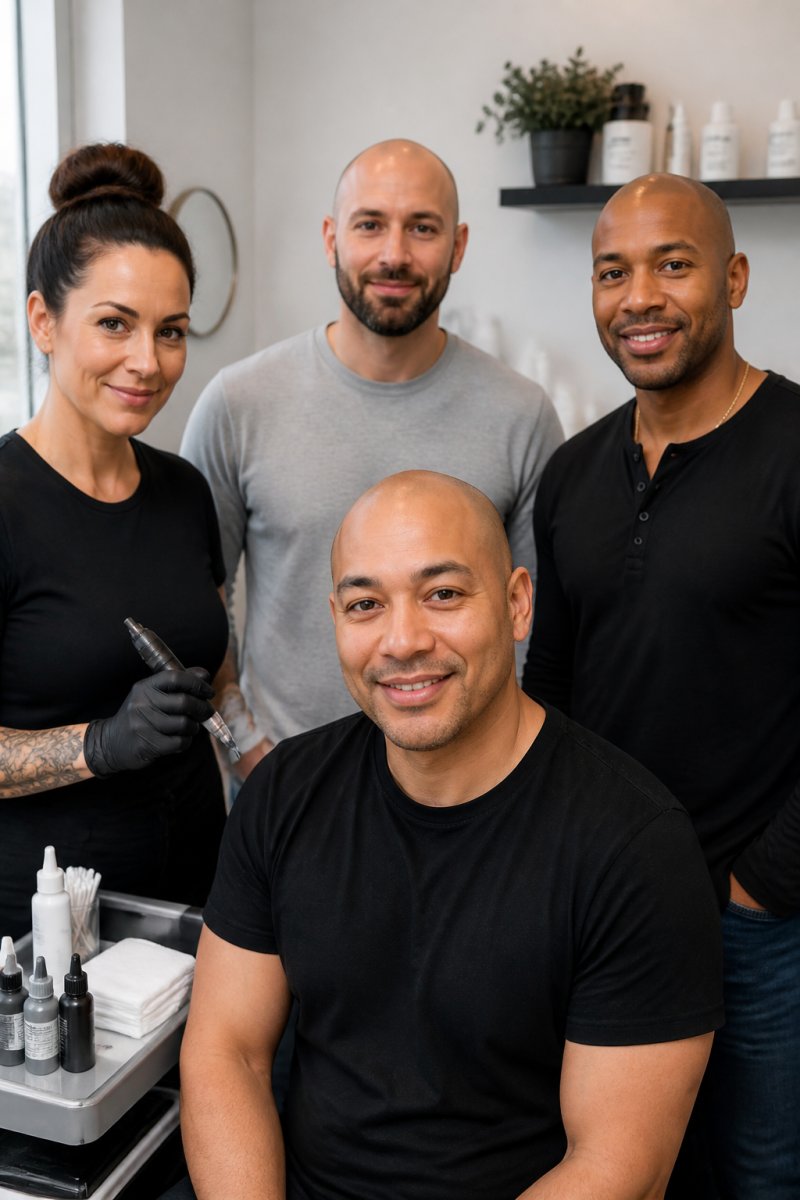
At Tonni Petty PMU Artistry, we've helped clients across the region restore confidence through expert scalp micropigmentation.
Preparation and Consultation Before Your Procedure
Your success with scalp micropigmentation starts before the first session. A thorough consultation determines your candidacy, discusses realistic outcomes, and establishes the color and density you want. This is also where your technician screens for medical and lifestyle factors that may affect safety or results.
Medical Screening and Contraindications
During your initial appointment, your technician will examine your scalp for conditions that may contraindicate SMP or require postponement:
Active skin conditions:
- Psoriasis, eczema, or dermatitis on the scalp (active flare-ups must resolve before treatment)
- Fungal or bacterial infections (scalp ringworm, folliculitis)
- Open wounds, cuts, or severe sunburn
- Keloid tendency or history of abnormal scar formation
Medications and treatments:
- Blood thinners (warfarin, apixaban) increase bleeding during the procedure; discuss timing with your physician
- Accutane (isotretinoin) for severe acne requires a 6-12 month waiting period after discontinuation due to skin sensitivity
- Recent chemical peels, laser treatments, or microdermabrasion (minimum 4-week gap recommended)
- Immunosuppressant medications may slow healing; your technician may recommend additional precautions
Medical history factors:
- Uncontrolled diabetes can impair healing and pigment retention; stable blood sugar is important
- Autoimmune disorders may affect pigment adhesion or healing response
- History of severe allergic reactions to tattoo ink or cosmetic pigments (patch testing may be recommended)
- Hepatitis C or HIV (not an absolute contraindication, but requires disclosure and may influence aftercare protocols)
Scalp-specific concerns:
- Active hair loss from chemotherapy or radiation (scalp must be stable and non-irritated for at least 3-6 months post-treatment)
- Recent scalp surgery or significant scarring that hasn't fully healed
- Trichotillomania (hair-pulling disorder) that may cause ongoing scalp trauma
Consultation Checklist
Be transparent about:
- All current medications and supplements
- Recent cosmetic or medical procedures on your face or scalp
- Skin conditions or sensitivities
- Your hair loss timeline and current progression
- Aesthetic goals and preferred hairline design
- Sun exposure habits and geographic location (affects long-term pigment retention)
Your technician will take baseline photos, examine your existing hair color and skin undertone, and discuss realistic outcomes based on your hair loss pattern. If you're dealing with hair loss from medical treatments like chemotherapy, discuss timing, your scalp needs to be stable and non-irritated before SMP, typically 3-6 months after treatment completion.
Pre-Procedure Scalp Preparation
Prepare your scalp by keeping it clean and moisturized for several days before your appointment. Avoid sun exposure, harsh shampoos, and exfoliating treatments one week prior. If you shave your head, do so 24 hours before your session so the scalp isn't freshly irritated. Do not apply any products (oils, serums, or styling products) to your scalp on the day of your appointment, a clean, product-free scalp allows better pigment adhesion.
The Step-by-Step Scalp Micropigmentation Process
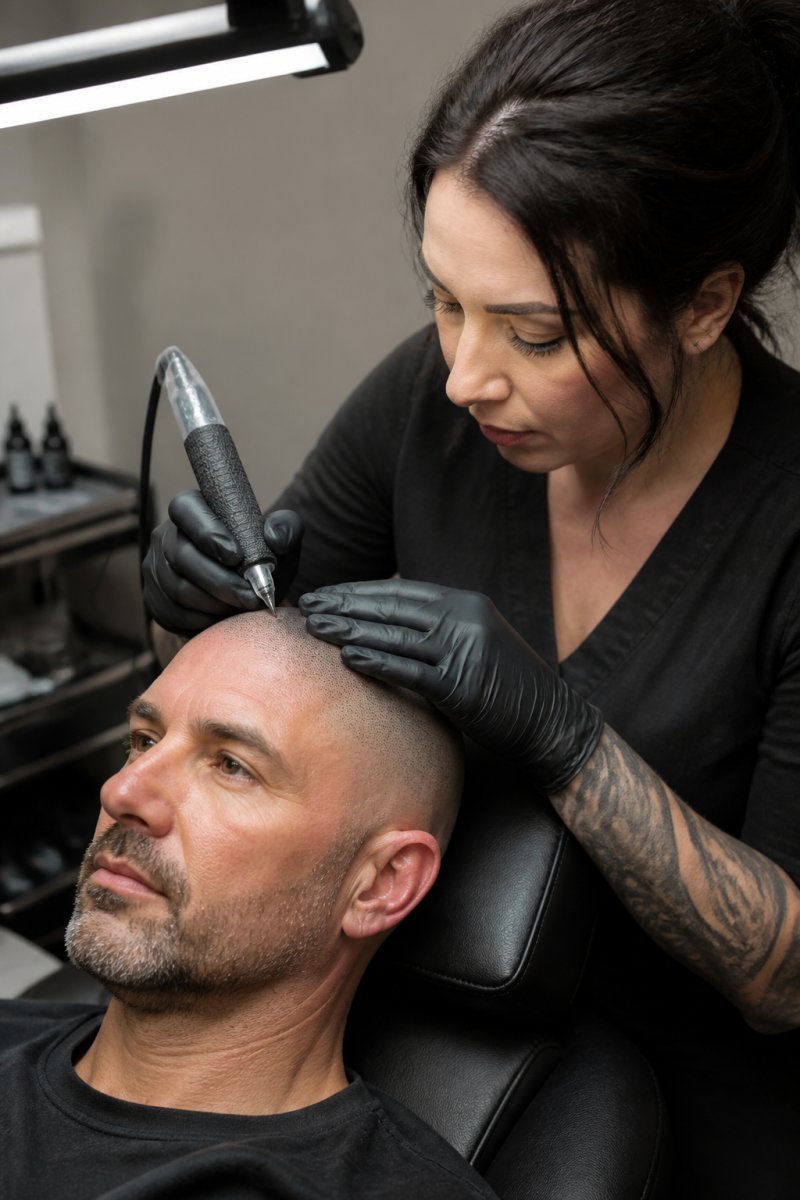
Scalp micropigmentation steps involve three distinct sessions spaced 7-14 days apart. Each session builds on the last, creating depth, density, and a natural appearance.
Session 1: Initial Pigment Deposition
The first session establishes the foundation. Your technician applies topical numbing to keep you comfortable, then uses microneedles to deposit pigment into the epidermis and upper dermis. This session focuses on outlining your desired hairline, establishing the overall shape, and beginning the follicle replication pattern.
Session 2: Density and Color Refinement
Seven to ten days after Session 1, you return for Session 2. By now, the initial pigment has settled and you can see where adjustments are needed. Your technician fills in gaps, deepens the color, and refines the follicle pattern to match your natural hair density.
Session 3: Final Adjustments and Blending
The final session occurs 7-14 days after Session 2. At this point, you can assess the overall result and request any final tweaks. Your technician makes micro-adjustments to blend edges, balance color across the scalp, and ensure the hairline looks natural and symmetrical.
How Many Sessions for Scalp Micropigmentation
Most clients need exactly three sessions to achieve their desired result. The three-session protocol is the standard because it allows proper healing between appointments and ensures pigment settles evenly.
Scalp Micropigmentation Recovery Time and Timeline
Recovery from scalp micropigmentation is relatively quick compared to surgical hair restoration. Most people return to normal activities within 48-72 hours, though complete healing takes longer.
SMP Aftercare Instructions for Optimal Results
Proper aftercare directly impacts pigment retention and final appearance. Following these instructions protects your investment and ensures the best possible outcome.
First 24 Hours:
- Keep your scalp dry. No showers, swimming, or sweating.
- Sleep on a clean pillowcase. Avoid touching your scalp.
- Do not apply any products to the treated area.
Days 2-7:
- Wash gently with cool water and mild, fragrance-free cleanser.
- Pat dry with a clean towel, do not rub.
- Apply any recommended aftercare product (your technician will advise).
- Avoid hot water, saunas, and intense exercise that causes sweating.
- Do not wear tight hats or headbands that irritate the scalp.
Weeks 2-4:
- Continue gentle washing and moisturizing.
- Avoid direct sun exposure. If you must go outside, wear a hat or apply SPF 30+ sunscreen.
- Do not use harsh shampoos, exfoliants, or chemical treatments.
- Avoid chlorine pools and saltwater exposure.
Long-Term Care:
- Protect your scalp from UV exposure year-round. Sun exposure causes pigment fading.
- Use a gentle, sulfate-free shampoo.
- Avoid abrasive brushing or harsh scalp treatments.
- Maintain hydration and overall skin health.
What to Expect: Results and Long-Term Maintenance
After completing all three sessions, your scalp micropigmentation will look natural and permanent. The pigment sits in the dermis, where it's protected from everyday wear and tear. However, pigment does fade over time due to sun exposure, skin cell turnover, and the body's natural processes. Understanding the long-term maintenance timeline helps you plan for touch-ups and budget accordingly.
Pigment Longevity and Fading Timeline
Most clients enjoy vibrant SMP results for 4-6 years before noticing significant fading. However, longevity varies based on several factors:
Factors that extend pigment life:
- Consistent sun protection (SPF 30+ year-round, hats in peak sun hours)
- Minimal chlorine and saltwater exposure
- Gentle scalp care with sulfate-free products
- Cooler climate or indoor-focused lifestyle
- Darker skin tones (melanin provides natural UV protection)
Factors that accelerate fading:
- Frequent sun exposure without protection (outdoor work, beach lifestyle, travel to sunny climates)
- Regular swimming in chlorinated pools or saltwater
- Use of harsh shampoos or frequent scalp treatments
- Lighter skin tones (less natural UV protection)
- Very active lifestyle with frequent sweating
- Certain medications that increase skin cell turnover
Year-by-Year Fading Pattern
While individual results vary, here's a typical fading progression:
Year 1: Minimal fading. Pigment continues to settle and stabilize. Color remains vibrant and true to the final session result.
Touch-Up Schedule and Maintenance
First touch-up: Typically scheduled 18-24 months after the final session, or sooner if you have high sun exposure or notice accelerated fading. Early touch-ups (before year 2) are optional and depend on your lifestyle and aesthetic preference.
Color Matching and Pigment Adjustments
Color matching for touch-ups is straightforward, your technician uses the same pigment shade and follows the existing pattern. However, adjustments may be needed if:
- Your natural hair color has changed (graying, darkening, or lightening)
- Your skin tone has shifted due to sun exposure or natural aging
- Your aesthetic preference has evolved
- You want to adjust hairline shape or density based on additional hair loss
Long-Term Care and Scalp Health
To maximize pigment longevity and maintain scalp health:
- UV protection: Wear a hat or apply SPF 30+ sunscreen to your scalp year-round, especially during peak sun hours (10 a.m.-4 p.m.)
- Gentle cleansing: Use a mild, sulfate-free shampoo and cool water. Avoid hot water, which can open pores and accelerate pigment loss
- Avoid harsh treatments: Do not use exfoliating scrubs, chemical peels, or aggressive brushing on your scalp
- Chlorine and saltwater: Rinse your scalp with fresh water immediately after swimming to minimize pigment exposure
- Hydration: Keep your scalp moisturized with a lightweight, fragrance-free moisturizer to support skin health
Is SMP Truly Permanent?
Scalp micropigmentation is semi-permanent, not permanent. Unlike a tattoo on the arm (which fades slowly over decades), scalp pigment fades faster due to the scalp's higher cell turnover rate, frequent washing, and sun exposure. However, with proper maintenance and periodic touch-ups, SMP remains an effective, long-term solution for hair loss, far more durable than topical treatments or wigs, and without the ongoing cost or medical intervention required by medications or hair transplants.
Frequently Asked Questions
How many sessions are typically required for scalp micropigmentation?
Most clients need three sessions spaced 7-14 days apart. The first session establishes the hairline and initial pigment deposition. The second session adds density and refines color matching across different skin tones. The third session provides final adjustments and ensures even coverage.
How long does scalp micropigmentation recovery take?
Full scalp micropigmentation recovery involves an initial healing phase where scabbing and sensitivity are most visible, with pigment continuing to settle for several weeks. Avoid water exposure, sweating, and UV light during the initial healing phase to protect pigment retention.
What SMP aftercare instructions should I follow?
Keep your scalp dry for the first 48 hours, no washing, swimming, or sweating. After 48 hours, use only gentle, fragrance-free cleansing. Avoid direct sunlight and wear a hat if outdoors. Don't scratch or pick at scabbing, as this disrupts pigment deposition and healing. Wear loose, non-irritating hats, and avoid tight headwear for one week. Resume normal activities gradually after day 7.
Is scalp micropigmentation permanent, and will the color fade?
Scalp micropigmentation is semi-permanent, not permanent like traditional tattooing. Pigment gradually fades over 4-6 years due to natural skin cell turnover and UV exposure. Most clients maintain results with touch-up sessions every 3-5 years. Proper aftercare and UV protection significantly extend pigment retention. The fading is typically gradual and even, so results remain natural-looking throughout the maintenance cycle.