 how-to
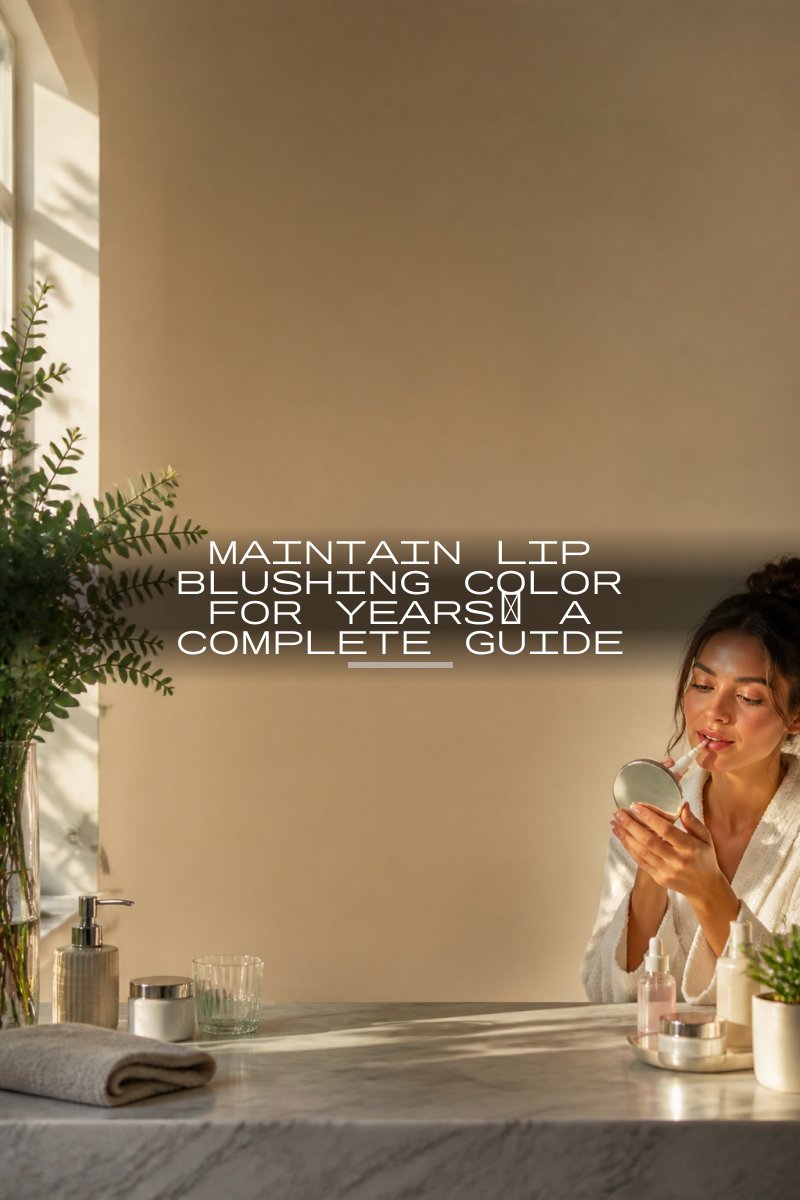
Maintain Lip Blushing Color for Years: A Complete Guide
Table of Contents
- Understanding How Long Lip Blushing Color Lasts
- Lip Blushing Aftercare During the Healing Phase
- How Lip Blush Color Changes Over Time
- Sun Exposure, UV Protection, and Pigment Retention
- Daily Lip Care Habits That Preserve Your Color
- Lip Blush Touch-Up Timing and Refresh Decisions
- Distinguishing Normal Fading From a Problem
- Frequently Asked Questions
Last Updated: October 6, 2026
Understanding How Long Lip Blushing Color Lasts
Lip blushing is a semi-permanent procedure that deposits pigment into the lips for enhanced color and definition.
How you maintain lip blushing color in the first weeks and months sets the foundation for long-term results.
Your natural lip tone, skin response, and daily habits influence how quickly lip blush fades: some clients enjoy rich color for five years with minimal touch-ups, others see noticeable fading after two.
Lip Blushing Aftercare During the Healing Phase
The first six weeks directly impact how well pigment settles and how long it stays vibrant, it's about optimizing color retention, not just preventing infection.
First Two Weeks: Critical Healing Steps
The first two weeks are when your lips are most vulnerable: pigment is settling and skin is healing. Lips will look darker and more saturated than the final result, this is normal.
Follow these essential steps:
- Clean gently with lukewarm water and pat dry with a clean tissue
- Apply the recommended aftercare ointment as directed (typically every 2-3 hours)
- Avoid water, sweat, and moisture, no swimming, hot showers, or intense exercise
Dryness, tightness, and slight swelling are expected. Resist over-moisturizing, too much product can dilute pigment and cause uneven fading.
Weeks Three Through Six: Stabilizing Your Color
By week three, initial healing is complete, but pigment is still settling deeper into the skin. Protect your lips while they finish stabilizing.
Continue these practices:
- Transition to a gentle lip balm with SPF protection
- Wear SPF 30 or higher outdoors and avoid direct sun on your lips
- Keep lips moisturized with non-irritating balms
By week six, lips should feel normal and color will have settled to its true shade, typically lighter than the initial application. If it feels uneven or too light, discuss a touch-up with your technician.
How Lip Blush Color Changes Over Time
Understanding how lip blush color evolves helps you distinguish normal fading from a problem. Change happens gradually and predictably with proper maintenance.
Immediately after the procedure, lips appear darker and more saturated.
Over months and years, color fades due to natural cell turnover and sun exposure.
The direction of change matters. Properly applied lip blush fades to a softer, lighter version of the original shade.
Sun Exposure, UV Protection, and Pigment Retention
Sun exposure is the single biggest factor affecting how long your lip blushing color lasts.
Use SPF 30 or higher lip balm daily, even on cloudy days, UV rays penetrate clouds and cumulative exposure adds up.
Avoid tanning beds entirely.
If you spend significant time in the sun, hiking, beach days, outdoor sports, use SPF 50 lip balm and a wide-brimmed hat.
Daily Lip Care Habits That Preserve Your Color
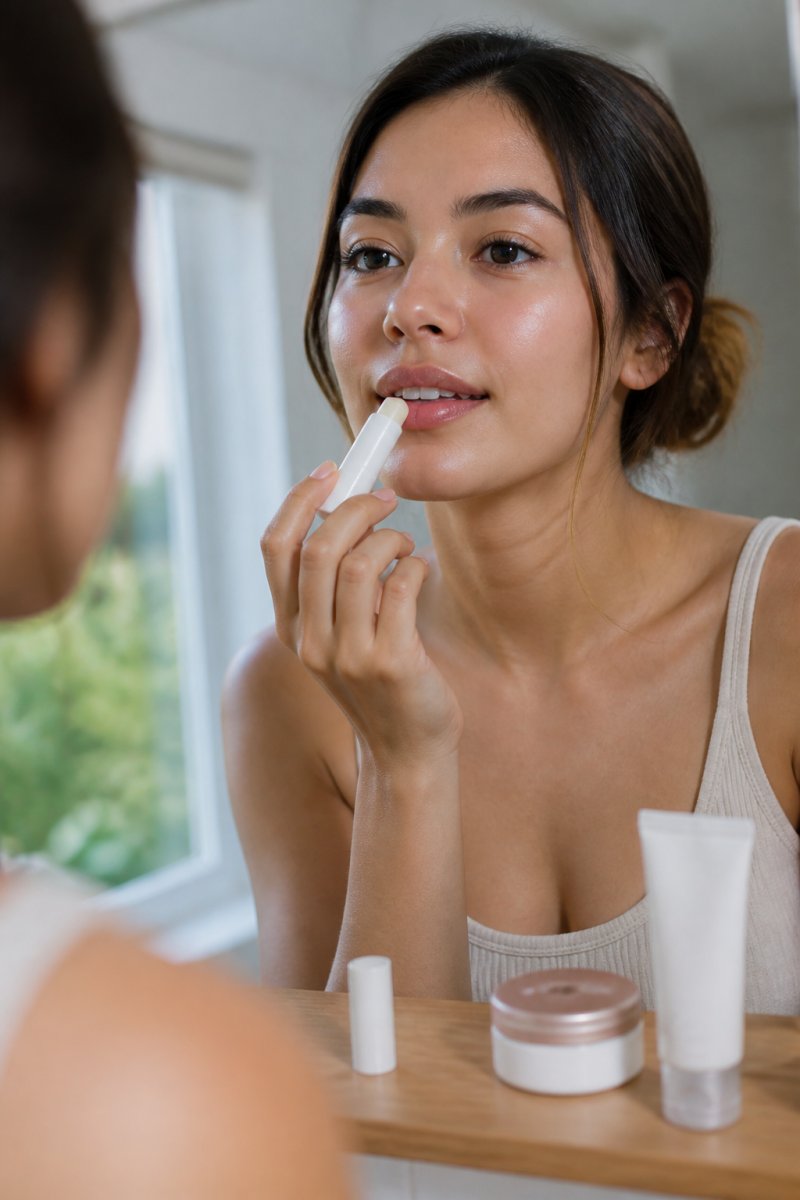
What actually helps you maintain lip blushing color over years is a structured routine with three tiers, daily, weekly, and seasonal, plus specific ingredients and habits that quietly accelerate fading.
The Daily Layer: What You Do Every Morning and Night
The daily layer keeps the lip barrier intact. When it's compromised, cell turnover speeds up and pigment sits closer to the surface where it sheds faster. A few minutes a day is enough.
- Morning: Apply a broad-spectrum SPF 30 or higher lip balm as the last step of your skincare routine. Broad-spectrum matters, it covers both UVA and UVB, and UVA penetrates deeper and is most associated with pigment breakdown over time.
- Throughout the day: Reapply after every meal, drink, or swim, tie the habit to something you already do, like reapplying hand sanitizer.
- Evening: Cleanse gently with lukewarm water or a mild, fragrance-free cleanser, then apply a plain occlusive balm with petrolatum, lanolin, or beeswax as the first ingredient. Occlusives slow water loss; humectants like glycerin and hyaluronic acid pull water in but need an occlusive on top to hold it.
The Weekly Layer: Gentle Maintenance Without Stripping
Once lips are fully healed, typically after six weeks, add light weekly maintenance to remove dead surface cells without abrading the pigment layer underneath.
- Use a soft, damp washcloth or silicone lip brush with warm water. Skip sugar and salt scrubs; the granules are too abrasive for pigmented lips and can create micro-tears that fade unevenly.
- If you want a scrub, choose one with jojoba esters or cellulose beads rather than sugar, no more than once a week.
- Follow immediately with an occlusive balm, exfoliating without sealing in moisture defeats the purpose.
The Seasonal Layer: Adjusting for Sun, Cold, and Dry Air
Pigment retention isn't flat across the year. Two seasons do the most damage:
- Summer: UV index climbs, and time outdoors increases. Move to SPF 50, reapply every 60-90 minutes during extended outdoor time, and add a wide-brimmed hat. If you swim, choose a water-resistant SPF lip balm and reapply after every exit from the water.
- Winter: Cold air and indoor heating drop humidity, and lips dry out faster. Switch to a heavier occlusive at night, run a humidifier in the bedroom, and avoid licking your lips, saliva evaporates and pulls moisture with it, leaving lips drier than before.
Ingredients and Habits That Quietly Accelerate Fading
These specific culprits are worth checking on labels:
- Alcohol denat. and SD alcohol in lip products and mouthwash, drying and irritating to pigmented skin.
- Menthol, camphor, and phenol in medicated lip balms, cooling but known irritants that can drive peeling.
- Salicylic acid and glycolic acid in lip treatments and some tinted balms, chemical exfoliants that increase cell turnover, the opposite of what you want over pigment.
If you follow the daily layer consistently, the weekly and seasonal layers become small adjustments rather than overhauls, that's what makes the routine sustainable for years.
Lip Blush Touch-Up Timing and Refresh Decisions
Touch-ups aren't a fixed schedule. They're a decision based on your healed color, how your skin held the pigment, and what you want your lips to look like in the next six to twelve months. The usual 12-to-18-month figure is a reasonable starting point, not a rule, treating it as one leads to refreshing too early (wasting pigment and money) or waiting too long (letting color drift into a tone you didn't choose).
How to Assess Your Healed Color Before Booking
Before deciding on a touch-up, assess your lips under consistent conditions at the six-month and twelve-month marks.
- Look in natural daylight, not bathroom lighting. Bathroom bulbs skew warm and make faded color look richer than it is.
- Compare against a photo taken at week eight, when your color had fully settled. Photos are the only reliable way to see change over months.
- Check for evenness, not just depth. If the center is still saturated but the corners have gone pale, that is uneven fading, a different problem than overall lightening.
Criteria That Justify a Refresh
A touch-up is appropriate when one or more of these is true:
- The color is lighter than you want it, but the tone is still correct.
- The color is even but has lost enough depth that you are reaching for lipstick to compensate.
- You have an event, trip, or season coming up where you want maximum vibrancy, and you are at least four to six weeks out.
A touch-up is not the right first step when:
- The color is uneven in patches or has shifted hue, that calls for a color correction consult, which may involve a different pigment or technique.
- You have active irritation, cold sores, or a healing wound on the lips. Wait until the skin is fully intact.
- You are pregnant or breastfeeding, or you have a new medical condition or medication that affects healing. Check with your practitioner and your physician first.
Why Timing Should Be Individualized
Two clients who had identical procedures on the same day can be ready for touch-ups six months apart. The variables that move the timeline most:
- Sun exposure. Someone who works outdoors or vacations in high-UV destinations will fade faster than someone who spends most of the day indoors.
- Skin type and lip tone. Oily skin and darker natural lip tones tend to hold pigment differently than dry skin and pale lips. Your technician can tell you which pattern you fit after your first heal.
- Lifestyle habits. Smoking, frequent swimming in chlorinated pools, and regular use of exfoliating lip products all shorten the interval.
Planning Around Events and Seasons
For a wedding, vacation, or milestone event, book your touch-up four to six weeks ahead so color can heal, settle, and reach its final shade. Two weeks out is too tight, color will still be darker and more saturated than the healed result.
Many clients schedule touch-ups in early spring, before peak sun exposure, so fresh color has the strongest start heading into summer. Others prefer late fall, when sun exposure drops and healing is easier indoors.
When you come in for a touch-up, bring your week-eight photo and be specific about what you want to keep and change. That conversation turns a routine refresh into a result you're happy with for the next year or two.
Distinguishing Normal Fading From a Problem
Not all color change is normal. Knowing the difference between expected fading and a problem helps you act early.
Normal fading is gradual, even, and predictable: color gets lighter over months and years, may soften slightly in tone, but doesn't shift dramatically.
Problems that need attention include:
- Uneven fading: Patches of darker and lighter color, or fading in one area but not another
- Color shift: Lips turning orange, brown, gray, or an unnatural tone instead of fading to a lighter version of the original shade
- Rapid fading: Significant color loss within the first three months, before normal fading would typically occur
If you notice any of these, contact your technician.
Normal fading needs no immediate action. If your color is lighter than you'd like but still the right tone, schedule your next touch-up when it feels right.
Maintaining lip blushing color for years comes down to consistent daily habits and smart decisions about sun protection and touch-up timing. Ready to start your lip blushing journey or refresh your existing color? Book an appointment with our team and let's create a maintenance strategy that works for your life.
Frequently Asked Questions
How can I make lip blush last longer after it's fully healed?
Protect your lips from sun exposure by using SPF 30 or higher lip balm daily, avoid harsh lip scrubs and matte lipsticks that dry lips, stay hydrated, and limit tanning bed use. Moisturize regularly with nourishing balms, avoid smoking and excessive heat exposure, and follow a consistent aftercare routine. These habits slow pigment fading and keep your color vibrant for years.
Does lip blush change color over time, and is that normal?
Yes, lip blush naturally settles and may shift slightly during healing and over months. Warmer undertones may appear cooler as the lip tone influences the pigment, or color may fade to a softer shade. Some color settling is expected and normal. However, dramatic shifts toward orange or gray, or rapid fading beyond 12 months, may signal a problem with pigment quality or aftercare. Discuss unexpected changes with your technician.
How often should lip blushing be refreshed?
Most clients benefit from a refresh every 12 to 18 months to restore color depth and vibrancy. Timing depends on your skin type, sun exposure, lifestyle, and how quickly your body metabolizes pigment. Oily skin and frequent sun exposure may require more frequent touch-ups, while others maintain color longer. A touch-up session refreshes faded areas and adjusts shade direction if needed, keeping your lips looking freshly done.
What causes lip blush to fade faster than expected?
Sun exposure without SPF protection, tanning beds, smoking, dehydration, harsh lip products, frequent exfoliation, and certain medications accelerate fading. Oily skin types metabolize pigment faster than dry skin. Skipping moisturizing or using drying cleansers weakens color retention. Chlorine exposure and poor initial aftercare also contribute to premature fading. Addressing these factors extends color longevity significantly.