 how-to
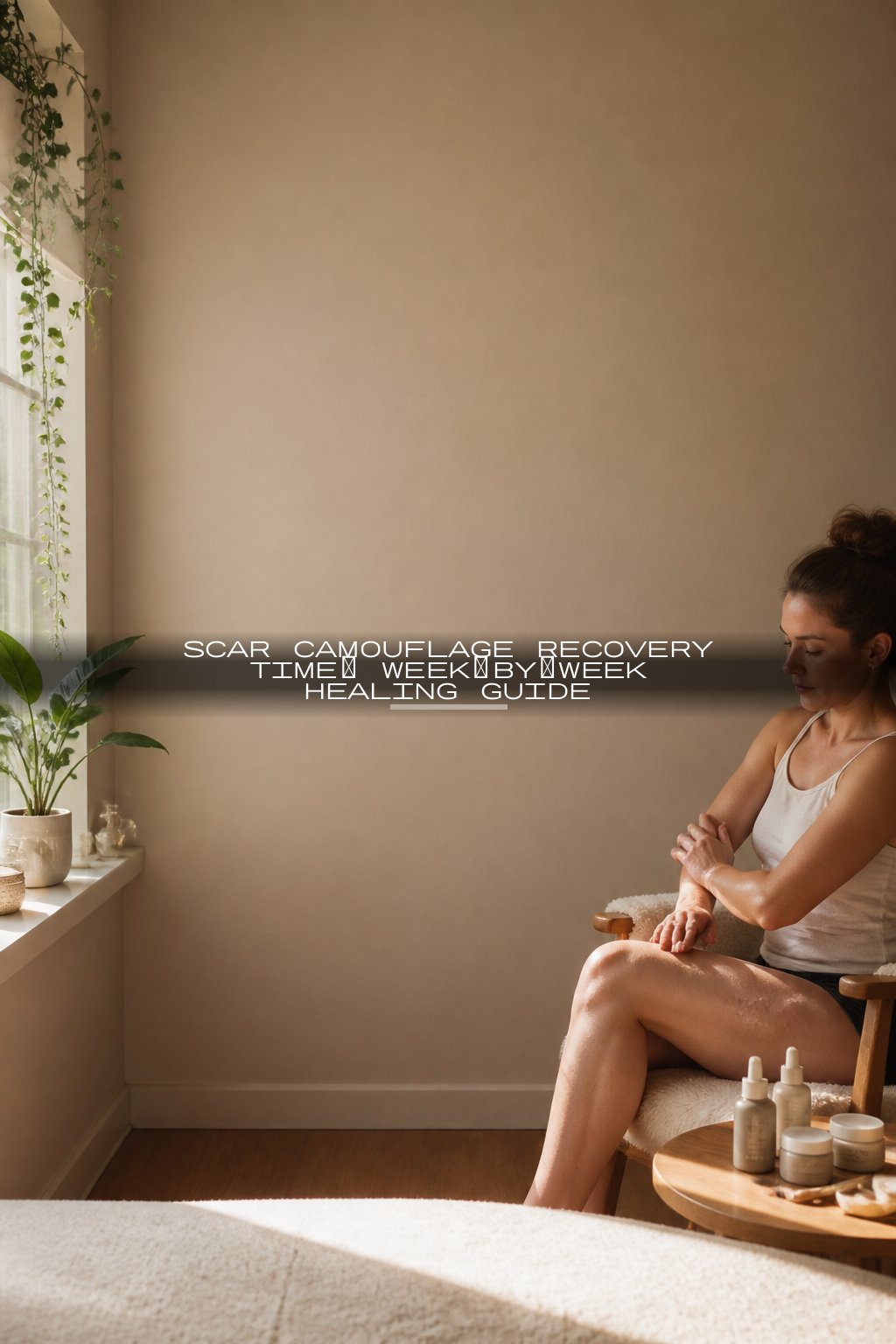
Scar Camouflage Recovery Time: Week-by-Week Healing Guide
Table of Contents
- What Is Scar Camouflage Recovery Time?
- Scar Camouflage Healing Stages: Day-by-Day and Week-by-Week
- What to Expect Immediately After Treatment
- Scar Camouflage Aftercare Instructions for Optimal Healing
- Surface Healing Versus Full Pigment Stabilization
- Scar Camouflage Touch-Up Timeline and Follow-Up Sessions
- Recovery Differences by Scar Type, Location, and Skin Characteristics
- Normal Healing Versus Warning Signs
- Frequently Asked Questions
Last Updated: October 10, 2026
What Is Scar Camouflage Recovery Time?
Scar camouflage recovery time refers to the healing period after receiving a scar camouflage treatment, a specialized procedure using medical tattooing to blend scars with surrounding skin tone. Knowing what to expect during healing helps you care for your treated area properly and achieve the best final results.
Your skin heals in distinct stages over several weeks. Most people see significant improvement within 4-8 weeks, though full color stabilization can take up to 16 weeks. The timeline varies based on your skin type, scar location, and how well you follow aftercare instructions.
Scar Camouflage Healing Stages: Day-by-Day and Week-by-Week
Your skin goes through predictable healing phases after scar camouflage treatment, each bringing different sensations and visible changes.
Days 1-3: Initial Healing and Skin Blanching
Immediately after treatment, your treated area will appear darker and more saturated than the final result due to skin blanching (temporary lightening of surrounding tissue from the numbing agent and procedure trauma). The area may feel tender and look slightly swollen.
During these first three days:
- The treated area appears darker than intended
- Mild redness and swelling are normal
- You may notice slight oozing or weeping
- The skin feels sensitive to touch
- Numbing effects wear off by day 2-3
Keep the area clean and dry. Avoid touching or picking at the treated skin. Use only the aftercare products recommended by your technician. Most people can return to light daily activities immediately, but avoid exercise and heavy sweating.
Days 4-7: Scabbing and Flaking Begin
By day 4, your skin enters the scabbing phase as your body's natural healing response. You may see pigment flaking away with these scabs, this is expected and does not mean the treatment failed.
What to expect during this week:
- Visible scabbing across the treated area
- Light flaking and peeling of skin
- Continued mild tenderness
- The area may itch as healing progresses
- Some pigment appears to fade as scabs lift
Resist the urge to pick or scratch, as picking can remove pigment and cause scarring. Keep applying your aftercare balm to prevent drying out, which slows healing and affects final color retention.
Weeks 2-4: Surface Healing Completes
By week 2, most scabbing has resolved and surface-level healing is nearly complete. Your skin looks smoother, though the treated area may still appear slightly raised or have uneven pigment as subsurface healing continues.
During weeks 2-4:
- Scabs have mostly cleared
- Skin surface feels smoother
- Treated area may still be slightly red or pink
- Pigment may look patchy or uneven
- Itching typically subsides
The treated area still needs protection from direct sun exposure. Continue your aftercare routine and gradually resume normal activities, but avoid swimming, saunas, and intense sweating for at least 2-3 weeks.
Weeks 5-8: Pigment Stabilization and Color Settling
Your body's healing response slows, and the pigment begins to settle permanently into your skin. The treated area continues to lighten slightly as inflammation resolves and your skin returns to normal.
During weeks 5-8:
- Pigment appears lighter and more natural
- Redness fades significantly
- The treated area feels normal to touch
- Color becomes more even and blended
- Skin sensitivity decreases
You may notice the color looks different than immediately after treatment, this is expected as swelling resolves and your skin's natural tone shows through. Most people find the result looks more natural and blended at this stage.
Weeks 9-16: Full Color Retention and Final Results
By week 9, your treated area has healed substantially and the final color is becoming visible. Between weeks 9-16, any remaining lightening occurs gradually as your body integrates the pigment into deeper skin layers.
During weeks 9-16:
- Final color emerges and stabilizes
- Treated area matches surrounding skin tone
- Redness is gone or minimal
- Skin feels and looks completely normal
- The scar camouflage blends seamlessly
Full pigment stabilization can take up to 120 days from treatment. Individual variation is significant, some people's pigment settles faster, while others need the full 16 weeks, depending on skin type, age, and metabolism.
What to Expect Immediately After Treatment
Understanding what's normal in the first few hours after your scar camouflage appointment helps you feel confident and take proper care of your treated skin.
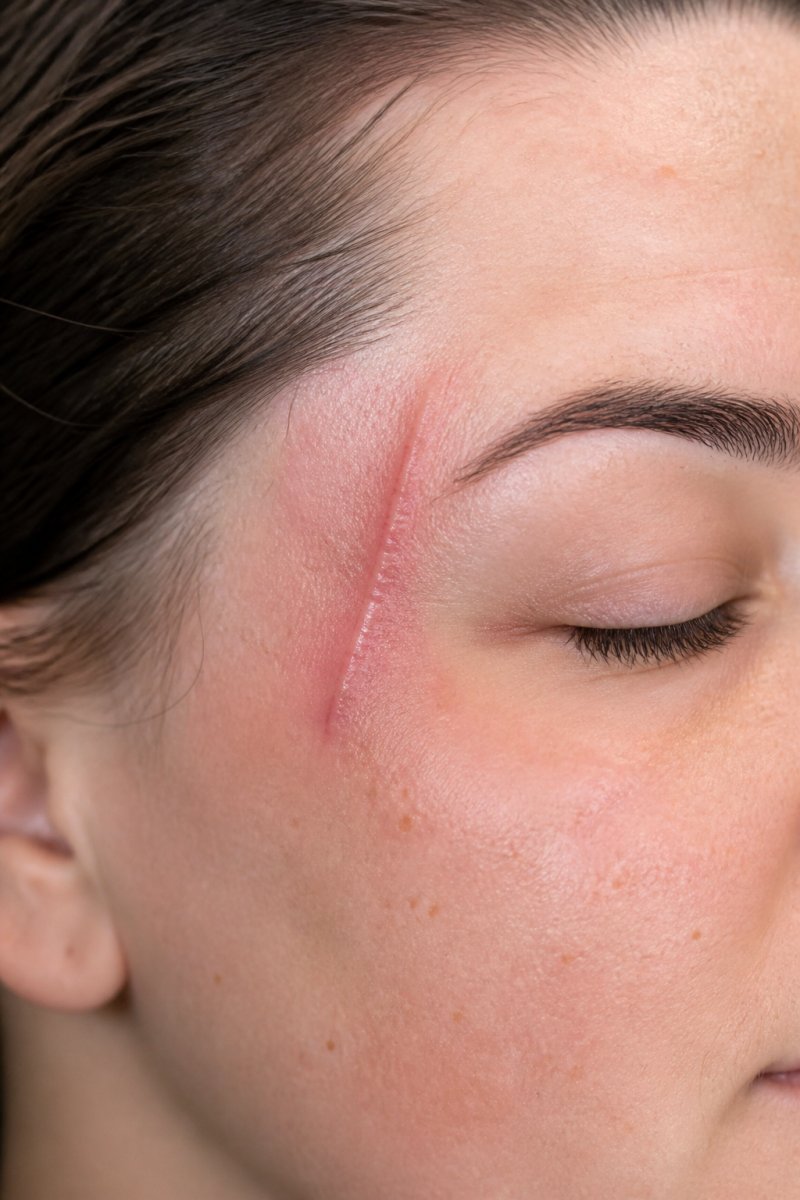
You may experience:
- Mild to moderate tenderness (like a sunburn sensation)
- Slight oozing or clear fluid weeping from the treated area
- Temporary numbness from the numbing agent
- Mild swelling that peaks around 24 hours
- Itching as numbing wears off
These sensations fade within 24-48 hours. You can return to work and most daily activities immediately, but avoid intense exercise, saunas, swimming, and direct sun exposure for at least 7-10 days.
Scar Camouflage Aftercare Instructions for Optimal Healing
Aftercare determines how well your pigment retains and how evenly your scar camouflage blends. Following these instructions carefully protects your investment and achieves the best possible results.
Keep the Treated Area Clean and Protected
Cleanliness prevents infection and supports proper healing, but balance it with protecting the delicate treated skin.
For the first 7-10 days:
- Gently wash the treated area with unscented antibacterial soap and lukewarm water
- Pat dry with a clean paper towel (not cloth, which can harbor bacteria)
- Apply the recommended aftercare balm or ointment
- Avoid submerging the area in water (no baths, swimming, or hot tubs)
- Keep the area exposed to air when possible, do not bandage it
After day 10, return to normal washing but use SPF 30+ sunscreen daily for at least 4 weeks, as sun exposure can cause uneven fading or color shifts.
Activities and Products to Avoid During Recovery
For the first 2 weeks, avoid:
- Intense exercise and heavy sweating
- Swimming, hot tubs, saunas, and steam rooms
- Direct sun exposure (wear protective clothing or SPF 30+)
- Exfoliating products and treatments
- Retinoids, vitamin C serums, and chemical peels
- Touching, picking, or scratching the treated area
- Tight clothing that rubs against the treated area
For the first 4-8 weeks, limit sun exposure and continue using SPF 30+. Your treated skin is more vulnerable to UV damage during healing, and sun exposure can cause uneven fading or color shifts.
Avoid makeup over the treated area for at least 7-10 days. If you must wear makeup, use only clean brushes and products you know don't irritate your skin. Better yet, wait until the area has fully scabbed over before applying makeup.
Managing Redness, Swelling, and Tenderness
Mild redness, swelling, and tenderness are normal parts of healing and can be managed to feel more comfortable.
Redness typically peaks on day 1-2 and gradually fades over 2-4 weeks.
Swelling follows a similar pattern and is most noticeable in the morning. Sleeping with your head elevated helps reduce overnight swelling.
Tenderness fades as the numbing agent wears off and your body's inflammatory response settles. Over-the-counter pain relief can help, though most people find discomfort minimal after 24-48 hours.
Surface Healing Versus Full Pigment Stabilization
This distinction is crucial for understanding your recovery timeline. Many people assume their treatment is complete once the surface heals, but full results take much longer.
During surface healing, the pigment appears darker and less blended because swelling and inflammation affect light reflection. As swelling resolves, the pigment's true color emerges.
Full pigment stabilization means the pigment has settled into its permanent location and color. At this point, you can accurately assess whether touch-ups are needed. Scheduling touch-ups before week 8 is premature.
Scar Camouflage Touch-Up Timeline and Follow-Up Sessions
Most people need at least one touch-up session to perfect their scar camouflage results by adjusting color, adding pigment where it faded, and refining the blend.
Schedule your first touch-up between 6-8 weeks after your initial treatment. This timing allows full pigment stabilization while the treated area is still fresh.
A second touch-up is sometimes needed 8-12 weeks after the first, depending on your individual pigment retention.
After the initial healing and touch-up sessions, your scar camouflage can last 3-5 years before fading noticeably.
Recovery Differences by Scar Type, Location, and Skin Characteristics
Your individual recovery timeline depends on several factors. Understanding these differences helps you set realistic expectations for your specific situation.
Scar type matters significantly. Atrophic scars (depressed or indented) often heal faster because they're already below skin level.
Treatment location affects healing speed. Areas with thinner skin (like eyelids or lips) heal faster but may feel more tender, while areas with thicker skin take slightly longer but experience less discomfort. If you're interested in other permanent cosmetic services like Lip Blushing or Scalp Micropigmentation, similar healing principles apply across different treatment areas.
Skin tone influences pigment appearance. Darker skin tones may require different pigment shades, while lighter skin tones may show redness more prominently during early healing.
Normal Healing Versus Warning Signs
Most recovery is straightforward, but you should know when to contact your technician about concerns.
Normal healing includes:
- Mild to moderate redness and swelling for 24-48 hours
- Scabbing and light flaking days 4-10
- Itching as the area heals
- Slight color changes as pigment settles
- Gradual lightening over 4-8 weeks
- Occasional tenderness, especially if touched
Contact your technician if you experience:
- Increasing redness, warmth, or swelling after 48 hours
- Pus, yellow discharge, or foul odor
- Fever or chills
- Allergic reactions (hives, difficulty breathing)
- Excessive bleeding or oozing
- Signs of infection that don't improve within 24 hours
- Pigment that fades completely within the first week
- Severe pain that doesn't respond to over-the-counter pain relief
Infections are rare with proper aftercare but require immediate attention. If you're unsure whether something is normal, reach out to your technician.
Understanding your scar camouflage recovery timeline helps you prepare for what's ahead and care for your treated skin properly. At Tonni Petty PMU Artistry, we guide you through every step of your recovery with expert advice and personalized care. Book an appointment to start your journey toward restored confidence and naturally blended skin.
Frequently Asked Questions
How long does scar camouflage recovery time actually take?
Surface healing typically completes within 7-10 days, but full scar camouflage recovery extends 4-8 weeks as the pigment settles and color stabilizes. Final results and true color retention emerge at 45-65 days, with some variation up to 120 days depending on your skin type and healing characteristics. Your technician will schedule a follow-up session during this window to assess color retention and make adjustments.
What are the stages of scar camouflage healing?
Healing progresses through distinct stages: Days 1-3 involve initial redness and skin blanching; Days 4-7 bring scabbing and flaking as the surface heals; Weeks 2-4 complete surface healing; Weeks 5-8 focus on pigment stabilization and color settling into the skin; Weeks 9-16 reveal full color retention and final results. Understanding these scar camouflage healing stages helps you recognize normal recovery versus complications.
When can I return to normal activities after scar camouflage?
Light activities resume after 24-48 hours, but strenuous exercise, swimming, and saunas should wait 7-10 days to avoid sweating into the treated area. Showering is safe after 24 hours with gentle care; avoid direct water pressure on the scar. Most people return to work immediately if their job is not physically demanding. Avoid picking or scratching scabs, and protect the area from direct sunlight for at least 4 weeks during the healing cycle.
How often do I need touch-ups for scar camouflage?
Your first touch-up occurs 4-8 weeks after the initial treatment, once the scar camouflage healing stages are complete and you can assess true color retention. This follow-up session refines pigment placement and addresses any uneven pigment or color fading. Maintenance touch-ups typically occur every 1-3 years depending on how your skin retains color and how much the treated area is exposed to sun. Your scar camouflage touch-up timeline will be personalized during your consultation.