
 ultimate-guide
Scar Camouflage for Surgical Scars: Complete Guide
Table of Contents
- What Is Scar Camouflage for Surgical Scars?
- How Scar Camouflage Works: The Procedure Explained
- Types of Surgical Scars That Respond Best to Treatment
- How Long to Wait for Scar Camouflage After Surgery
- Preparing for Scar Camouflage Treatment: What You Need to Know
- Scar Camouflage Cost and Recovery Timeline
- Long-Term Results: Pigment Retention and Touch-Up Sessions
- Who Is an Ideal Candidate for Scar Camouflage?
- Frequently Asked Questions
Last Updated: September 22, 2026
What Is Scar Camouflage for Surgical Scars?
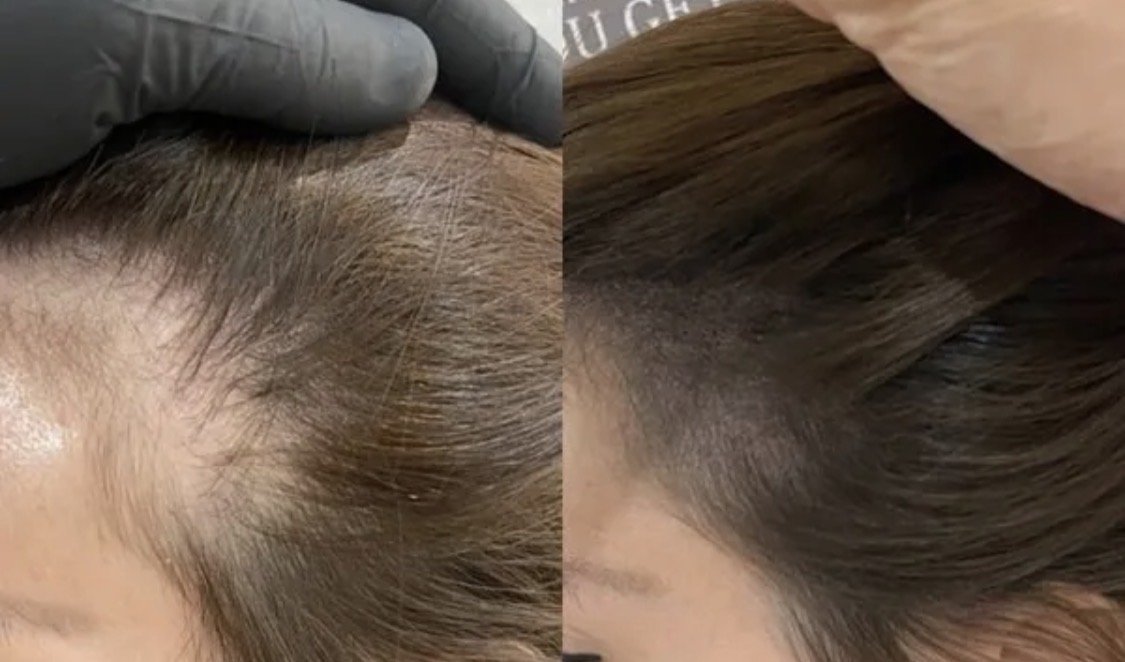
Scar camouflage for surgical scars is a specialized form of medical tattooing that uses custom-blended pigments to blend visible surgical scars into surrounding skin tone. This procedure targets the dermal layer with precision to match your natural skin color and texture, making scars from surgery far less noticeable. At Tonni Petty PMU Artistry, we specialize in this non-invasive approach to help individuals regain confidence.
By depositing specialized pigments into the scar tissue, we create the visual illusion of seamless skin. The procedure works best on mature scars, typically at least 12-18 months old, when tissue has fully healed and settled into its final appearance.
This approach differs fundamentally from scar revision surgery because it requires no incisions, no downtime, and no general anesthesia. Many patients who've exhausted other options find scar camouflage offers meaningful improvement without the risks and recovery periods associated with invasive treatments.
How Scar Camouflage Works: The Procedure Explained
The procedure begins with a consultation to assess your scar's depth, texture, color, and maturity. We analyze surrounding skin tone under natural and artificial lighting to create a custom pigment blend. This color-matching step is critical, getting the tone right determines whether the camouflage blends seamlessly.
A specialized needle deposits pigment into the dermal layer, with the technician following the scar's contours and building color gradually. Most sessions last 1-3 hours depending on scar size and complexity. Sensation varies from mild discomfort to minimal pain due to scar tissue's reduced nerve sensitivity.
Pigment settles over 7-10 days as skin heals. Initial results appear darker due to swelling and pigment depth, but true color emerges as inflammation subsides. Many patients see dramatic improvement after one session, though touch-ups often enhance blending.
Types of Surgical Scars That Respond Best to Treatment
Hypertrophic and Atrophic Scars
Hypertrophic scars appear raised and thick but remain within the scar's original boundaries. Atrophic scars, by contrast, sit below the surrounding skin surface, creating a depressed or pitted appearance. Both respond well to scar camouflage because the color-matching technique addresses the visual prominence regardless of the scar's texture.
Hypertrophic scars from abdominal procedures, facelifts, or breast surgery often fade naturally but may remain noticeably different in color. Scar camouflage pigmentation masks this color difference, making the scar far less obvious.
Atrophic scars present a different challenge because depressed texture remains visible. Strategic pigment placement creates the illusion of depth and shadow that makes the depression appear less pronounced, delivering meaningful cosmetic improvement.
Keloid and Hyperpigmented Scars
Keloid scars extend beyond original wound boundaries. While scar camouflage cannot reduce physical size, it addresses the color mismatch that makes keloids noticeable by reducing visual contrast.
Hyperpigmented scars appear darker than surrounding skin, particularly in individuals with deeper skin tones. Scar camouflage addresses this by depositing lighter pigments into the darkened area, evening out color and reducing visibility.
How Long to Wait for Scar Camouflage After Surgery
Waiting at least 12-18 months after surgery before pursuing camouflage is generally recommended. During this maturation period, scar tissue undergoes substantial changes in color, texture, and thickness.
In the first few months after surgery, scars appear red or purple due to increased blood flow. By month 12-18, color, texture, and depth stabilize, making this the ideal window for accurate pigment matching.
Attempting treatment too early risks poor color matching. If considering treatment before 12 months, consult an experienced practitioner about your scar's maturity.
Preparing for Scar Camouflage Treatment: What You Need to Know
Preparation begins with a detailed medical history discussion that goes beyond basic questions. Your practitioner needs to understand conditions that may contraindicate treatment or require medical clearance before proceeding.
Medical Conditions That May Require Postponement or Clearance
Autoimmune disorders like lupus, rheumatoid arthritis, and scleroderma can affect skin healing and pigment response. Discuss active conditions with both your rheumatologist and practitioner before scheduling.
Keloid-prone individuals can receive scar camouflage, though risk of keloid response is higher. Discuss realistic outcomes with your practitioner, who may recommend a test patch before full treatment.
Active skin infections, eczema flare-ups, or uncontrolled psoriasis should resolve before your appointment. If undergoing chemotherapy or radiation, postpone treatment until your oncologist confirms skin recovery.
Pregnancy is typically a reason to delay treatment because hormonal changes can affect pigment retention and skin healing. Wait until after pregnancy and breastfeeding are complete.
Medications and Supplements to Discuss
Review all medications and supplements with your practitioner. Blood-thinning medications, including aspirin, warfarin, and some NSAIDs, increase bleeding and compromise color matching. Discuss timing options with your practitioner rather than stopping prescribed medications.
Supplements like vitamin E, fish oil, ginger, and turmeric have mild anticoagulant properties. Pause these in the weeks before treatment if possible.
Inform your practitioner if you take immunosuppressants or biologics, as they may affect healing speed and pigment retention.
Skin Type and Pigmentation Considerations
Individuals with very sensitive skin or contact dermatitis history may experience irritation. A patch test 24-48 hours before your appointment can identify potential reactions.
Oily skin may experience faster fading; your practitioner may adjust pigment depth or aftercare. Dry skin may require more frequent moisturizing to prevent excessive scabbing.
Individuals with darker skin tones often achieve excellent results, though hyperpigmentation risk is slightly higher. Your practitioner should discuss this and monitor during follow-ups.
Pre-Appointment Logistics
Wear comfortable clothing allowing easy access to the scar area. Bring broad-spectrum sunscreen (SPF 30 or higher) and plan to avoid direct sun for at least two weeks post-procedure.
Eat a light meal beforehand and avoid caffeine for a few hours. Arrive with clean skin but do not apply lotions, makeup, or sunscreen, your practitioner will cleanse the area.
Scar Camouflage Cost and Recovery Timeline
Most people return to normal activities immediately, though avoiding strenuous exercise, swimming, and prolonged sun for 7-10 days is recommended. The area may appear swollen and darker during the first week.
Itching and mild tenderness are common. Keeping the area clean and dry, avoiding picking at flaking skin, and moisturizing with fragrance-free products are important. Most feel normal within 7-14 days.
For cost and recovery details specific to your situation, contact Tonni Petty PMU Artistry for a personalized consultation. Pricing depends on scar size, complexity, and the number of sessions needed.
Long-Term Results: Pigment Retention and Touch-Up Sessions
Scar camouflage results typically last before noticeable fading occurs, though this timeline varies significantly based on individual factors. Understanding how pigments behave over time helps you set realistic expectations and plan for maintenance.
How Pigments Age and Fade Over Time
Medical-grade pigments used in scar camouflage are formulated differently than traditional tattoo inks, but they still undergo predictable changes. The primary mechanism of fading is photodegradation, UV exposure breaks down pigment molecules, causing them to lighten gradually. Even with diligent sun protection, some fading occurs naturally as your body's immune system slowly processes and eliminates pigment particles over years.
Touch-Up Sessions and Maintenance
Touch-up sessions refresh the color and maintain the camouflage effect. These sessions are typically shorter and less intensive than the initial treatment because the scar tissue already contains pigment. A touch-up might take 30-90 minutes depending on how much fading has occurred, whereas the initial session often takes 1-3 hours.
Factors That Extend or Shorten Pigment Longevity
Sun exposure is the single largest factor affecting pigment retention. Consistent use of broad-spectrum sunscreen (SPF 30 or higher) on the treated area can extend pigment life. Protective clothing, hats, and limiting direct sun during peak hours (10 a.m. to 4 p.m.) further protect the pigment.
Planning for Long-Term Maintenance
Think of scar camouflage as a semi-permanent solution requiring periodic maintenance, similar to permanent makeup. Budget for periodic touch-up sessions, with the understanding that your individual timeline may vary.
Who Is an Ideal Candidate for Scar Camouflage?
Ideal candidates have fully mature scars (at least 12-18 months post-surgery) with stable color and texture. You should be in good overall health with no active skin infections or uncontrolled autoimmune conditions. Realistic expectations matter, scar camouflage significantly reduces visibility but doesn't completely erase scars, particularly if they have substantial texture or depth.
Frequently Asked Questions
How long should I wait after surgery before getting scar camouflage?
Most surgeons recommend waiting 12-18 months after surgery before pursuing scar camouflage. This allows the scar tissue to fully mature, the skin to settle, and inflammation to subside. During scar maturation, the tissue transitions from red or purple to a lighter shade and becomes less raised. Attempting camouflage too early can result in poor pigment blending and the need for additional sessions once the scar fully heals.
Does scar camouflage last forever or does the pigment fade?
Scar camouflage pigments typically last before gradually fading, though longevity depends on skin type, sun exposure, and how your body metabolizes the pigment. Hypopigmented scars may require periodic touch-up sessions to maintain color matching. The pigment doesn't disappear suddenly; it fades gradually, allowing you to schedule maintenance sessions before noticeable color shift occurs. Professional application and proper aftercare significantly extend pigment retention.
What is the difference between scar camouflage and scar revision surgery?
Scar revision surgery physically reshapes or removes scar tissue through surgical procedures, while scar camouflage uses medical tattooing with custom-blended pigments to blend the scar into surrounding skin. Scar camouflage is non-invasive, requires no downtime, and works by matching skin tone and texture visually. Revision surgery may be recommended for raised or severely depressed scars, whereas camouflage is ideal for flat or slightly discolored scars where texture cannot be improved without additional procedures.
Are there specific skin types that respond best to scar camouflage?
Scar camouflage works across all skin tones, but results depend on the scar type and skin characteristics. Darker skin tones may benefit from hyperpigmentation correction, while lighter skin tones often respond well to hypopigmentation blending. Scars on areas with less skin elasticity—such as the chest or back—may show better color retention than highly mobile areas. Your technician will assess your specific scar, skin texture, and melanin levels to determine candidacy and predict how well pigment will blend and persist.
Surgical scars can significantly impact confidence and quality of life. Scar camouflage offers a non-invasive path to meaningful improvement when other options haven't delivered results. At Tonni Petty PMU Artistry, we combine over 22 years of experience with master-level precision to deliver natural-looking camouflage that blends seamlessly with your skin. Book an appointment today to explore how scar camouflage can help you move forward with renewed confidence.