 ultimate-guide
How Long Does Lip Blushing Last: A Complete Guide
Table of Contents
- What Is Lip Blushing and How Long Does Lip Blushing Last?
- Factors Affecting Lip Blush Longevity
- The Lip Blushing Healing Process and Timeline
- Lip Blushing Aftercare Tips for Maximum Retention
- Lip Blushing Touch-Up Frequency and Maintenance Schedule
- Removal and Color Correction Options
- Pros and Cons of Lip Blushing
- Frequently Asked Questions
Last Updated: September 3, 2026
What Is Lip Blushing and How Long Does Lip Blushing Last?
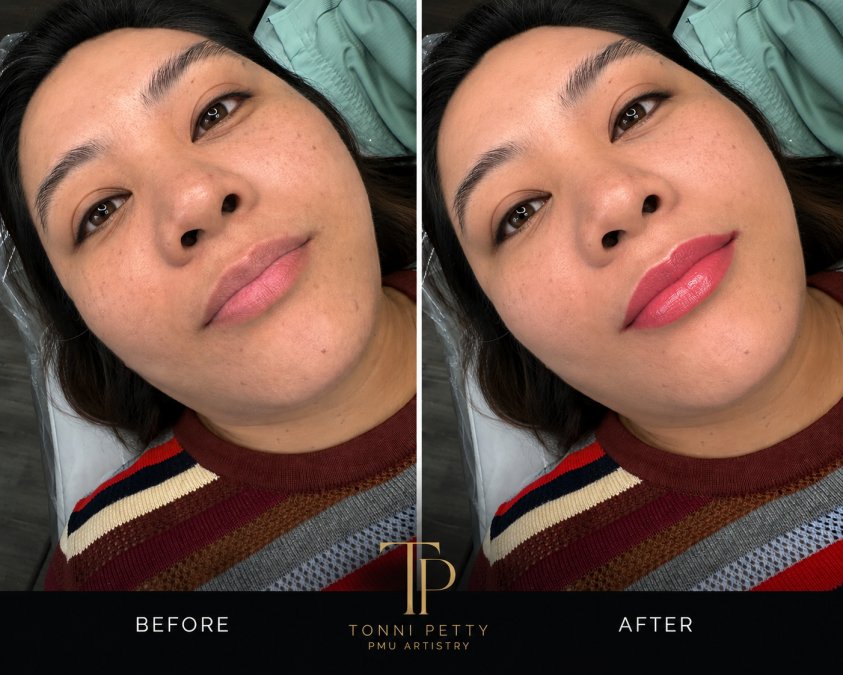
Lip blushing is a semi-permanent cosmetic tattooing technique that deposits pigment into the dermal layer of the lips to enhance their natural color and definition. Unlike traditional permanent makeup, which creates a bold, defined line, lip blushing produces a soft, diffused tint that looks like a natural flush or stain. The pigment is implanted using a specialized tattoo machine with fine needles, creating a gradient effect that fades gradually over time.
How long does lip blushing last? Most clients see their lip blushing fade to about 70-80% of the original color within the first year, with noticeable fading continuing over subsequent years. The timeline varies significantly based on individual factors like skin type, lifestyle, and aftercare adherence. Understanding this longevity helps you make an informed decision about whether lip blushing fits your beauty routine and commitment level.
At Tonni Petty PMU Artistry, we've worked with thousands of clients across Washington State to help them understand realistic expectations for their Lip Blushing investment. With over 22 years of experience in permanent cosmetics, we've observed firsthand how different factors influence how long your lip color will last and what you can do to maximize retention.
The appeal of lip blushing lies in its subtlety and low-maintenance nature. Unlike lip stains or lipstick, which require daily reapplication, lip blushing stays put through eating, drinking, and exercise. However, the semi-permanent nature means it will fade, and knowing the timeline helps you plan touch-ups and budget accordingly.
Factors Affecting Lip Blush Longevity
Several interconnected factors determine how long your lip blushing will remain vibrant. Understanding these helps explain why two clients with the same procedure can experience different fading timelines.
Skin type and cellular turnover play a major role in pigment retention. Oily skin tends to reject pigment faster because the skin's natural sebum can interfere with pigment implantation and cause it to slough off during healing. Dry skin, conversely, often holds pigment longer because there's less natural oil pushing the pigment out. People with combination skin usually fall somewhere in the middle, retaining color well if they follow proper aftercare.
The lip tissue itself is unique, it has a higher cellular turnover rate than facial skin, meaning the outer layers shed more frequently. This accelerated turnover naturally causes pigment to fade faster on lips than it would on eyebrows or other treated areas. Your body's metabolism also influences how quickly your immune system processes and eliminates the foreign pigment through lymph fluid drainage.
Sun exposure and UV protection significantly impact color retention. The lips receive constant sun exposure, especially if you spend time outdoors or don't use SPF protection. UV rays break down pigment molecules and cause them to fade faster. Clients who use SPF 30 or higher lip balm regularly report noticeably better color retention compared to those who don't prioritize sun protection.
Lifestyle factors extend beyond sun exposure. Frequent exfoliation, whether from physical scrubs, chemical peels, or even aggressive toothbrushing, accelerates pigment loss. Retinol and other active skincare ingredients that increase cellular turnover can also speed fading. Smoking and certain medications that affect skin healing and pigmentation can influence longevity as well.
Aftercare adherence during the critical healing phase determines initial pigment implantation success. Clients who follow strict aftercare protocols, avoiding water exposure, not picking at scabs, staying out of chlorinated pools, retain significantly more pigment than those who don't. The healing process is when your body accepts or rejects the pigment, making this phase crucial for long-term results.
The Lip Blushing Healing Process and Timeline
The healing journey of lip blushing unfolds in distinct phases, each affecting how well your pigment sets and how long it lasts. Understanding this timeline helps you prepare for what to expect and know when results will stabilize.
Days 1-3: The initial phase. Immediately after your appointment, your lips will appear darker and more saturated than the final result. Some swelling and tenderness is normal. During these first few days, your lips begin the inflammatory response, the body recognizes the pigment as foreign and starts the process of acceptance or rejection. You'll notice the color looks almost too dark; this is temporary. Avoid water, makeup, and any products on the treated area.
Days 4-10: The scabbing phase. Light scabbing begins as your body naturally sheds the outer layer of treated skin. This is a critical period where many people make the mistake of picking at scabs, which removes pigment along with the dead skin. The urge to pick is strong, but resisting it is essential for retention. Your lips may feel tight and uncomfortable. Continue avoiding water immersion and harsh products. The color will appear significantly lighter during this phase as the scabs cover the pigment.
Days 11-30: The cellular turnover phase. Scabs shed naturally, revealing the pigment underneath. However, the color may still look patchy or uneven because not all pigment has fully settled into the dermis. Some areas may appear faded while others retain more color. This is normal and expected. Continue gentle care and sun protection. By day 30, you'll have a clearer picture of your final result, though subtle changes continue for weeks.
Weeks 5-8: Color stabilization. By this point, most of the healing is complete, and you can see your true final color. The pigment has fully integrated into the dermal layer, and any remaining surface pigment has shed. This is when you can accurately assess whether you need a touch-up or if the color meets your expectations. The lips may still feel slightly sensitive to certain products, so continue using gentle, fragrance-free options.
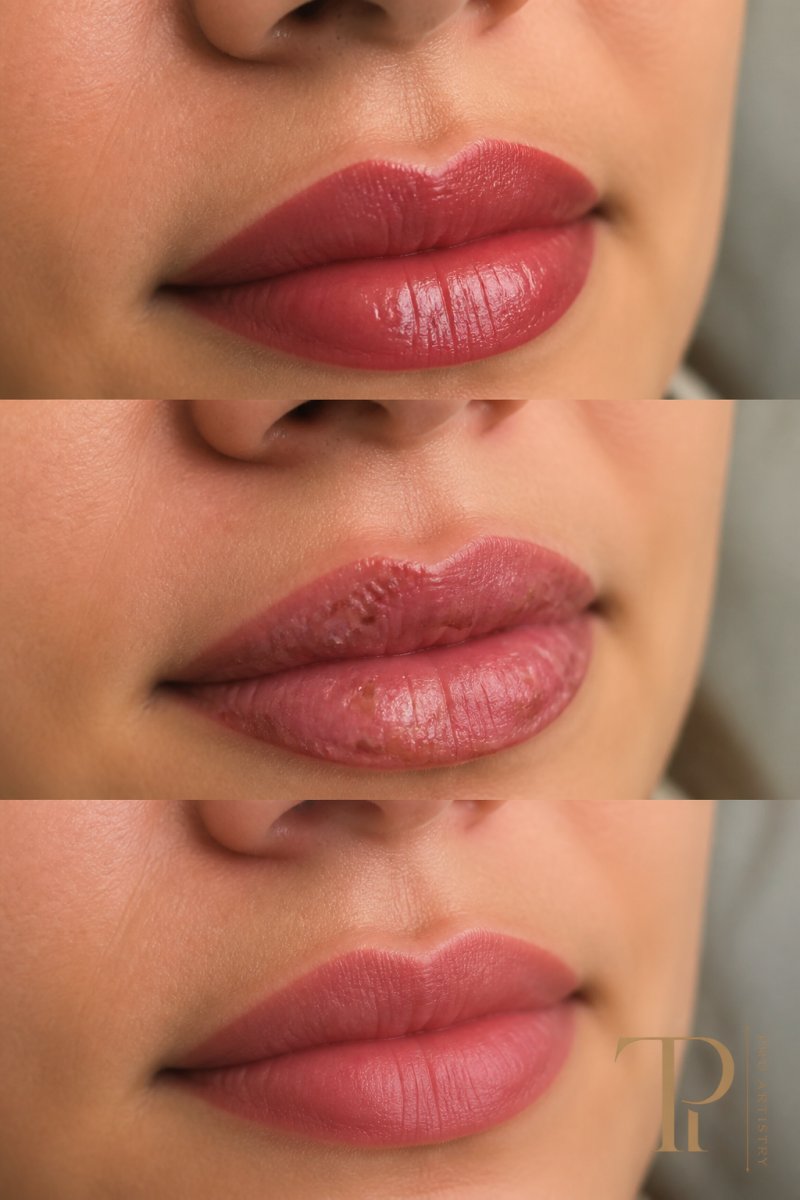
The entire healing process typically takes 4-6 weeks, though individual variation is common. Some people heal faster; others take slightly longer. Your body's natural healing response, hydration levels, and how well you follow aftercare instructions all influence the timeline.
Lip Blushing Aftercare Tips for Maximum Retention
Aftercare is where you actively determine how long your lip blushing will last. The decisions you make during healing directly impact pigment retention and color longevity.
During the first week, water is your enemy. Avoid submerging your lips in water, no swimming, hot baths, or prolonged showers where water hits your face. When you shower, keep your face away from the spray. Drink water normally, but don't let it sit on your lips. Pat your lips dry gently with a clean paper towel rather than a cloth that might harbor bacteria.
Don't use makeup or lip products for at least a week. This includes lipstick, lip gloss, lip balm with active ingredients, and even toothpaste on the treated area. If you must brush your teeth, be extremely gentle and avoid the lip area. Stick to unscented, unflavored products only if absolutely necessary.
Avoid picking, peeling, or exfoliating. This is the hardest part for most people. The scabs will itch and feel uncomfortable, but picking removes pigment. If you absolutely must address flaking, gently dab with a clean, damp cloth, never scratch or pull. Avoid chemical exfoliants, physical scrubs, and retinol products for at least two weeks.
Sun protection is non-negotiable. Use SPF 30 or higher lip balm starting immediately after healing and continuing indefinitely. UV exposure is one of the biggest culprits in premature fading. Reapply frequently, especially after eating or drinking. Consider wearing a wide-brimmed hat when you're outdoors for extended periods.
Stay hydrated and moisturize. Dry lips heal slower and may not retain pigment as effectively. Use a fragrance-free, hyaluronic acid-based lip balm to keep lips hydrated. However, avoid heavy oils or butters during the first week, as they can create a barrier that interferes with healing.
Avoid heat, sweat, and strenuous exercise for 7-10 days. Sweating and increased blood flow can push pigment out during the critical healing phase. Skip the gym, hot yoga, and saunas. Even activities that make you sweat should be avoided initially. Once you're past the scabbing phase, normal exercise is fine.
Don't sleep on your face. Try to sleep on your back for at least the first week. Friction from pillows and saliva exposure during sleep can disrupt healing and cause uneven pigment retention.
Lip Blushing Touch-Up Frequency and Maintenance Schedule
Understanding touch-up frequency helps you budget for long-term maintenance and plan your appointment schedule realistically.
Most clients need their first touch-up between 6-8 weeks after the initial appointment. This touch-up session addresses any areas where pigment didn't implant evenly, adds depth to areas that faded more than expected, and ensures overall color consistency. The first touch-up is often included in the initial service package, so clarify this with your technician before your appointment.
After the first touch-up, the pigment typically lasts 12-18 months before noticeable fading occurs. Some clients see their lip blushing hold strong for nearly two years, while others notice significant fading around the one-year mark. This variation depends on all the factors discussed earlier, skin type, sun exposure, lifestyle, and how well you maintain aftercare practices.
Your maintenance schedule should reflect your personal fading timeline. Many clients schedule touch-ups annually or every 18 months. If you notice your color fading significantly before this timeframe, it may indicate that your skin type or lifestyle factors are accelerating pigment loss, and you might benefit from more frequent touch-ups.
Between touch-ups, maintaining consistent sun protection and avoiding aggressive exfoliation will extend your color's vibrancy. Clients who prioritize SPF and gentle skincare routines often find they need touch-ups less frequently than those who don't.
Removal and Color Correction Options
Not every lip blushing experience goes as planned. If you're unhappy with your results, whether the color shifted, turned orange, or simply isn't what you envisioned, removal and correction options exist.
Saline removal is a non-laser option that uses a saline solution to lift pigment from the skin. The solution is tattooed over the existing pigment, and as it heals, it draws the pigment out through the skin's surface. This method works best on fresh pigment and is less effective on pigment that's been in the skin for years. Multiple sessions are usually needed, and results can be unpredictable.
Laser removal targets pigment molecules directly, breaking them down so your body can eliminate them through the lymphatic system. Different laser wavelengths work on different pigment colors, so the type of laser used depends on your specific pigment shade. Laser removal typically requires multiple sessions spaced weeks apart and can be uncomfortable. It's also more expensive than saline removal but often produces more predictable results.
Color correction involves tattooing over existing pigment with a different color to neutralize unwanted tones. If your lip blushing turned orange or red, a technician might apply a cooler-toned pigment to counteract the warm tones. This approach works when the original pigment color is the problem rather than the pigment itself being unwanted.
At Tonni Petty PMU Artistry, we offer Magnetic PMU Removal services for clients dealing with previous permanent makeup procedures that didn't meet their expectations. Understanding your removal options before getting lip blushing can help you feel more confident in your decision, knowing that correction is possible if needed reduces the permanence anxiety many people experience.
Pros and Cons of Lip Blushing
Evaluating whether lip blushing aligns with your lifestyle and expectations requires understanding both its advantages and limitations.
Pros of lip blushing include the convenience factor, no daily lip application means more time in your morning routine and confidence throughout the day without touch-ups. The natural, soft appearance appeals to people who find traditional permanent makeup too bold. The semi-permanent nature means you're not locked into one look forever; fading gives you the option to change your mind or try different colors with touch-ups. For busy professionals, the low-maintenance aspect is invaluable. The procedure also works well for people with uneven lip color or those seeking to enhance pale lips.
Cons include the upfront cost and ongoing touch-up expenses. The healing process requires strict aftercare for several weeks, which demands discipline and planning. Results are highly individual and dependent on skin type, some people will experience faster fading than others. The color may shift or fade unevenly, requiring correction. If you're someone who likes changing your lip color frequently or experimenting with different styles, the semi-permanent commitment might feel restrictive. The initial appointment and healing period also require time investment that some people can't accommodate.
The semi-permanent nature, while an advantage for those wanting flexibility, is a disadvantage for those seeking true permanence. If you want a solution that lasts 5+ years without touch-ups, lip blushing isn't ideal. If you want something you can change seasonally or based on mood, lip blushing offers that flexibility but requires regular maintenance appointments.
Lip blushing offers a compelling middle ground between daily lip makeup and permanent tattooing, but only if you understand the realistic timeline and commit to proper maintenance. The longevity of your lip blushing depends heavily on your individual skin characteristics, lifestyle choices, and aftercare discipline. At Tonni Petty PMU Artistry, we guide every client through this process with personalized consultation, ensuring you understand exactly what to expect and how to maximize your results. With over 22 years of experience and Master Technician certification through the American Institute of Intradermal Cosmetics, we're equipped to address your specific concerns and deliver the precise, long-lasting results you deserve. Book your consultation today to explore whether lip blushing is the right choice for your beauty goals.
Frequently Asked Questions
Does lip blushing fade completely over time?
Lip blushing does not fade completely. The pigment gradually lightens and shifts in tone due to cellular turnover, sun exposure, and lifestyle factors. The pigment implanted into the dermis layer remains in your skin, but becomes progressively lighter. This is why touch-ups are recommended to maintain vibrant color and definition.
What are the main factors that affect how long lip blushing lasts?
Several factors influence pigment retention: skin type (oily skin metabolizes pigment faster), sun exposure (UV rays break down color), lifestyle habits (smoking and alcohol consumption accelerate fading), age and metabolism, hydration levels, and aftercare compliance. Exfoliation, retinol use, and certain medications can also speed fading. Your technician assesses these factors during consultation to set realistic expectations and customize your maintenance schedule.
How often do I need lip blushing touch-ups?
Most clients benefit from periodic touch-up sessions. However, touch-up frequency varies based on individual factors: faster metabolisms, high sun exposure, or oily lip tissue may require more frequent touch-ups, while others can extend the time between sessions. Your first touch-up is typically scheduled 4-6 weeks after the initial procedure to refine color and shape. Regular touch-ups maintain saturation and prevent the color from shifting to unwanted tones.
What's the difference between lip blushing and permanent lip color?
Lip blushing creates a soft, natural flush or ombré effect that mimics a stained lip tint, while permanent lip color (cosmetic tattooing) delivers solid, opaque pigment coverage. Lip blushing is semi-permanent and fades gradually, requiring periodic touch-ups. It uses lighter pigment implantation in the epidermis and upper dermis, whereas permanent lip color goes deeper. Lip blushing is ideal for those seeking a subtle, low-maintenance enhancement that doesn't look tattooed.
This article was written using GrandRanker
Frequently Asked Questions
Q: Does lip blushing fade completely over time?
A: Lip blushing does not fade completely. The pigment gradually lightens and shifts in tone due to cellular turnover, sun exposure, and lifestyle factors. The pigment implanted into the dermis layer remains in your skin, but becomes progressively lighter. This is why touch-ups are recommended to maintain vibrant color and definition.
Q: What are the main factors that affect how long lip blushing lasts?
A: Several factors influence pigment retention: skin type (oily skin metabolizes pigment faster), sun exposure (UV rays break down color), lifestyle habits (smoking and alcohol consumption accelerate fading), age and metabolism, hydration levels, and aftercare compliance. Exfoliation, retinol use, and certain medications can also speed fading. Your technician assesses these factors during consultation to set realistic expectations and customize your maintenance schedule.
Q: How often do I need lip blushing touch-ups?
A: Most clients benefit from periodic touch-up sessions. However, touch-up frequency varies based on individual factors: faster metabolisms, high sun exposure, or oily lip tissue may require more frequent touch-ups, while others can extend the time between sessions. Your first touch-up is typically scheduled 4-6 weeks after the initial procedure to refine color and shape. Regular touch-ups maintain saturation and prevent the color from shifting to unwanted tones.
Q: What's the difference between lip blushing and permanent lip color?
A: Lip blushing creates a soft, natural flush or ombré effect that mimics a stained lip tint, while permanent lip color (cosmetic tattooing) delivers solid, opaque pigment coverage. Lip blushing is semi-permanent and fades gradually, requiring periodic touch-ups. It uses lighter pigment implantation in the epidermis and upper dermis, whereas permanent lip color goes deeper. Lip blushing is ideal for those seeking a subtle, low-maintenance enhancement that doesn't look tattooed.