 ultimate-guide
How to Choose Scalp Micropigmentation for Gray Hair
Last Updated: October 29, 2026
Quick Summary
Scalp micropigmentation is popular for gray hair because it uses pigment in the scalp to create the look of a fuller, denser hairline without surgery. Gray strands can make thinning areas look more transparent, and the pigment can help that density blend with hair you already have.
- SMP is a non-surgical cosmetic procedure that works with the hair you already have.
- Gray hair can make thinning areas look more transparent, especially under bright light.
- A cool-to-neutral pigment undertone is often the better match for gray hair.
- Test shades in both daylight and indoor lighting before committing to a color.
- A touch-up plan helps keep density consistent as your natural hair color changes.
Table of Contents
- Why Gray Hair Makes Scalp Micropigmentation Appealing
- How SMP Creates a Fuller Look Without Surgery
- Does SMP Look Good With Gray Hair?
- Choosing the Right Gray Hair Scalp Micropigmentation Color
- How Long Scalp Micropigmentation Lasts and Why Gray Hair Changes the Picture
- Common Mistakes to Avoid When Treating Gray Hair
- Booking a Consultation to Plan Your Gray Hair SMP
- Frequently Asked Questions
Gray hair is one of the most common reasons people in Olympia, WA, and across the United States look into scalp micropigmentation (SMP). The appeal is simple: SMP uses pigment in the scalp to create the look of a fuller, denser hairline, and it works on the hair you already have. Tonni Petty PMU Artistry offers scalp micropigmentation in Olympia, and the reasons below explain why many people consider it for gray hair. Here is why SMP is popular for gray hair, and how to decide whether it is right for you.
Why Gray Hair Makes Scalp Micropigmentation Appealing
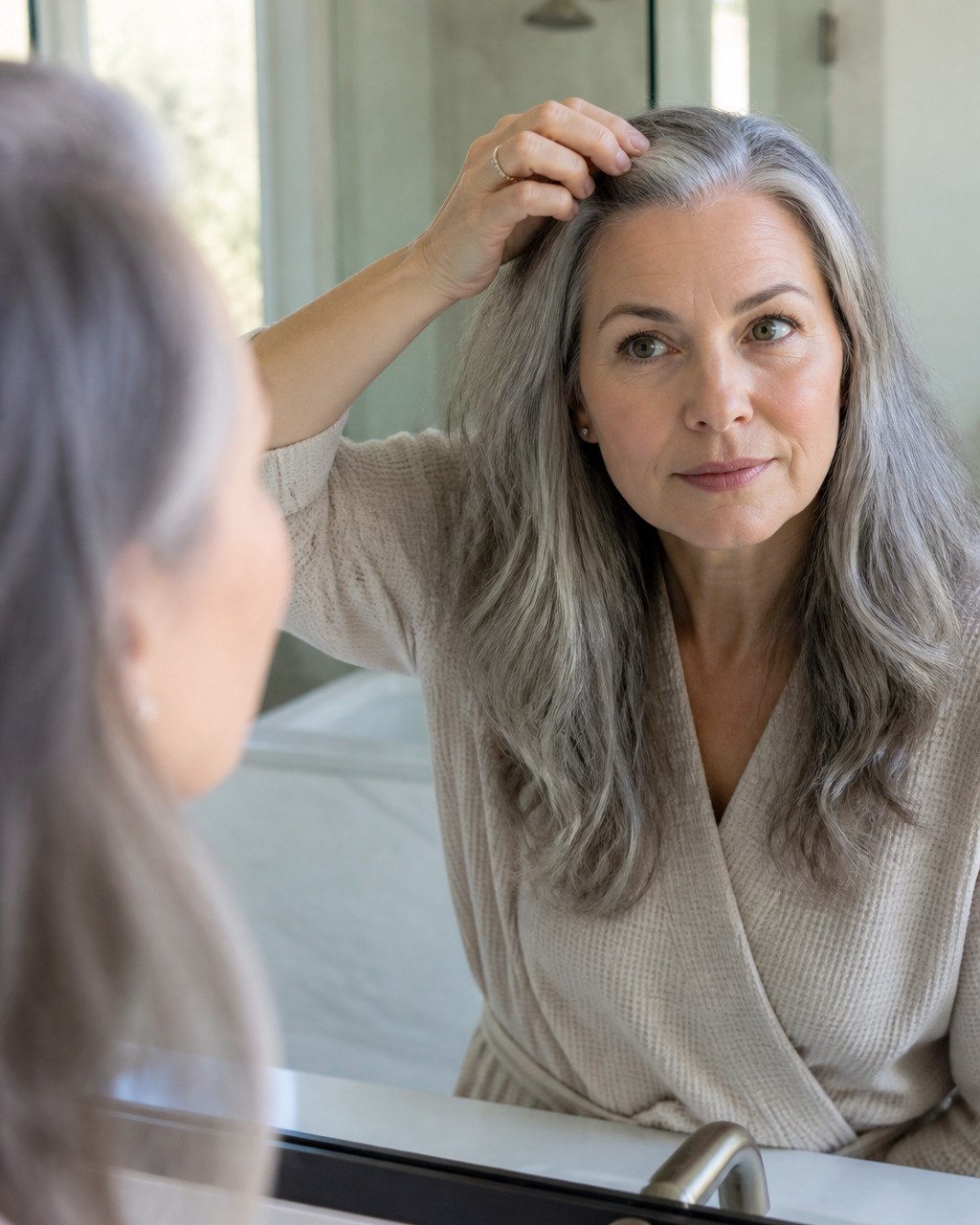
Gray hair changes how the scalp looks, and that is exactly where SMP comes in. Lighter and gray strands can make thinning areas look more transparent, especially under bright light. SMP is applied as a fine pigment that sits in the scalp, so it can help the overall look of density blend with gray hair.
How SMP Creates a Fuller Look Without Surgery
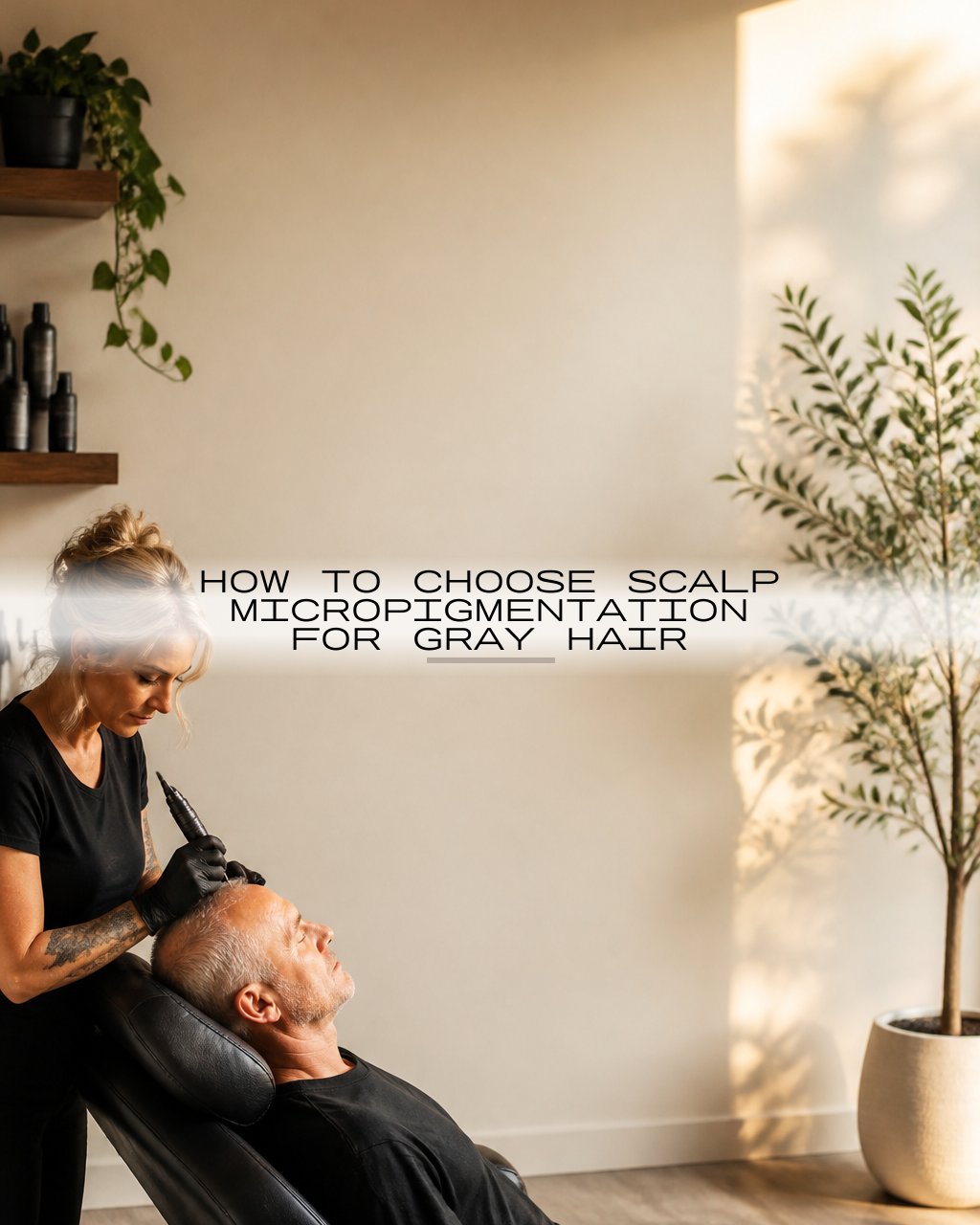
SMP is a non-surgical cosmetic procedure. Read about scalp micropigmentation for thinning hair to see how the treatment works for thinning areas. A technician applies pigment in tiny dots across the scalp to mimic the appearance of closely cropped hair follicles, which can give a shadowed, fuller look along the hairline and across thinning areas. Follow the complete SMP procedure step by step to see what each session involves. The technician adjusts the design to match your hair, skin, and face shape.
Does SMP Look Good With Gray Hair?
SMP can look natural with gray hair when the pigment is carefully matched. The key is that the pigment needs to suit your skin tone and the color of your remaining hair, not just a generic shade. Many clients with gray or silver hair choose a softer, cooler tone so the result reads as hair density rather than visible dots. Your technician should evaluate your hair color and scalp tone before any work begins.
Choosing the Right Gray Hair Scalp Micropigmentation Color
Choosing the right color is the step that most affects how natural your results look. Gray and white hair reflect light differently than darker hair, so the pigment must be selected with that in mind. A skilled artist will test a few shades on your scalp and compare them in both daylight and indoor lighting before committing.
Why Undertone Matters More Than Shade
Two pigments can look the same darkness in a bottle and look very different once they settle in the scalp. The undertone, whether cool, neutral, or warm, is what keeps the result from looking gray-blue or patchy over time. For gray hair, a cool-to-neutral undertone is often the better match, though your skin tone and scalp color should guide the final choice.
The pigment you choose has a large effect on how natural gray-hair SMP looks, and the article highlights a few key points to weigh.
| Factor | What to look for | Why it matters |
|---|---|---|
| Pigment undertone | Cool to neutral | Helps avoid a gray-blue or patchy look over time |
| Shade testing | Compare in daylight and indoor light | Gray hair looks different under each light |
| Skin and scalp tone | Guides the final choice | Pigment should suit your skin, not a generic shade |
| Pigment darkness | Avoid too dark or too warm | Can make the result look harsh on gray hair |
How Long Scalp Micropigmentation Lasts and Why Gray Hair Changes the Picture
SMP is generally long-lasting, and it fades gradually over time. How long scalp micropigmentation lasts depends on your skin, the pigment used, and how the scalp is cared for. Gray hair can change the picture as your hair continues to lighten, so a touch-up plan helps keep the density consistent as your natural color changes.
Common Mistakes to Avoid When Treating Gray Hair
The most common mistake is choosing a pigment that is too dark or too warm for gray hair, which can make the result look harsh. Another is rushing into treatment without a proper consultation, since the design and color need to be planned around your hairline and hair color. Finally, avoid comparing your results to photos taken under different lighting, because gray hair looks very different in soft indoor light than in direct sun.
Booking a Consultation to Plan Your Gray Hair SMP
A consultation is a good next step, where you can discuss your hair color, scalp, and goals. Explore custom scalp micropigmentation in Olympia, WA to see how the service fits your needs and book a consult. You can learn more about scalp micropigmentation in Olympia, WA to see how that service fits your needs. When you are ready to talk through options, contact Tonni Petty PMU Artistry in Olympia, WA to call, text, or book online.
Frequently Asked Questions
Does scalp micropigmentation look natural with gray hair?
It can, when the pigment is matched to the client's natural hair color and undertone. Gray hair is lighter and reflects more light than dark hair, so an overly dark pigment can stand out. A skilled practitioner typically blends the pigment to mimic the look of a fine, grayed hair follicle rather than a solid patch.
How long does scalp micropigmentation last?
Scalp micropigmentation is generally considered long-lasting, but it is not permanent in the way many people expect. Pigment naturally fades over time as the skin renews itself, and the rate varies with skin type, sun exposure, and scalp care habits. Gray hair can also change how the treatment looks over the years. Ask a practitioner about their approach to follow-up care.
What color pigment is used for scalp micropigmentation on gray hair?
Practitioners typically select pigment shades that match the client's gray or silver hair rather than their original hair color. The goal is usually a soft, diffused tone that resembles the appearance of fine hair at the scalp. Undertone is important because a pigment with the wrong warmth can look unnatural under different lighting. The right choice depends on the client's skin tone and remaining hair color.
What should you ask an SMP practitioner before treatment?
Ask how many years they have performed scalp micropigmentation, whether they have experience with gray hair specifically, and whether they can show healed results from clients with similar hair color and skin tone. Ask how they select pigment, how many sessions are typically needed, and how touch-ups are handled. Confirm their training and certification, and ask how they assess candidacy for clients with medical conditions or sensitive scalps. A reputable practitioner will explain the process clearly and encourage questions during a consultation.