 how-to
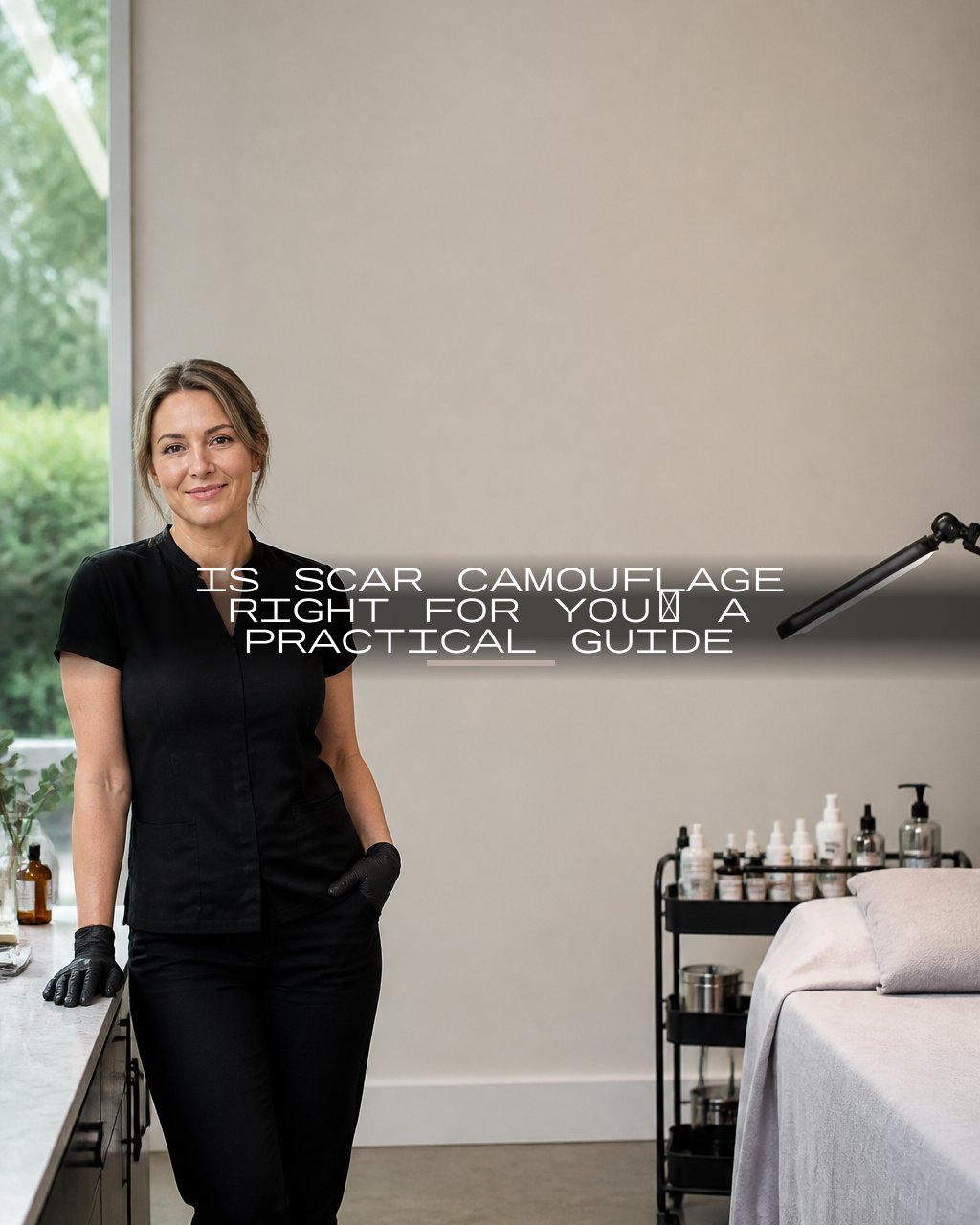
Is Scar Camouflage Right for You? A Practical Guide
Table of Contents
- What Scar Camouflage Is and How It Works
- Assessing Your Scar: A Self-Evaluation Checklist
- Scar Camouflage Eligibility: Who Is a Good Candidate
- Scar Camouflage on Raised Scars: What You Need to Know
- Scar Camouflage Risks and Side Effects
- Understanding Scar Camouflage Sessions: What to Expect
- Medical Screening and Contraindications
- Consultation and Professional Assessment
- Frequently Asked Questions
Last Updated: October 19, 2026
What Scar Camouflage Is and How It Works
Scar camouflage is a specialized tattooing technique that uses pigments to blend scars with surrounding skin. Instead of covering the scar completely, the practitioner deposits medical-grade pigment into the scar tissue to match your natural skin tone and texture.
The process works because scars often appear darker, lighter, or more translucent than surrounding skin. By carefully selecting and layering pigments, a trained practitioner can restore visual continuity.
At Tonni Petty PMU Artistry, we approach scar camouflage with the precision this delicate work requires.
Assessing Your Scar: A Self-Evaluation Checklist
Before booking a consultation, evaluate your scar honestly using these criteria. This self-assessment helps you determine whether scar camouflage is likely to work for your situation.
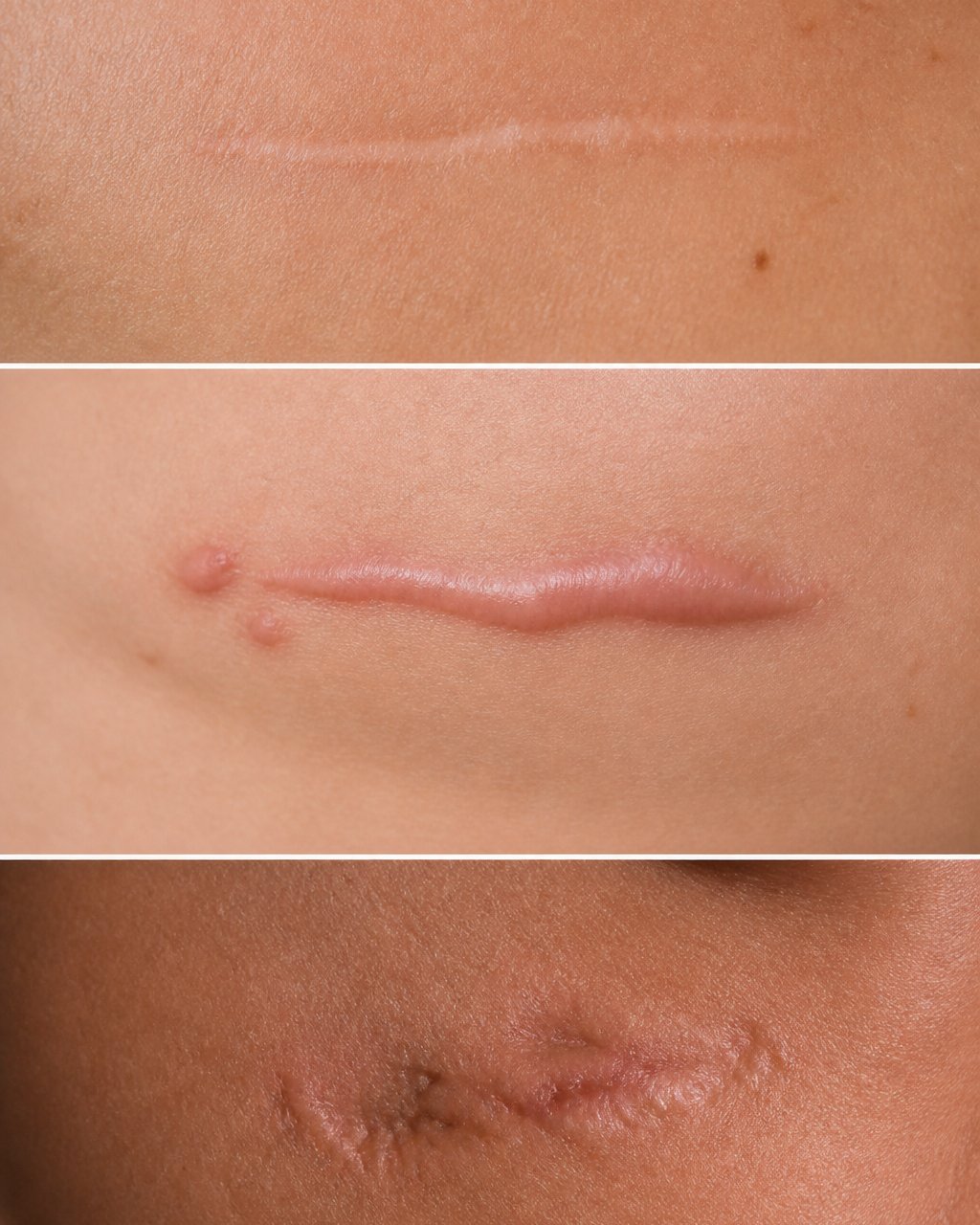
Use this checklist to evaluate your scar:
- Is your scar flat or only slightly raised?
- Is the scar at least one year old?
- Does your scar have a different color than surrounding skin (lighter, darker, or red)?
- Is the scar on a body part suitable for tattooing (face, neck, chest, arms, legs)?
- Are you comfortable with a procedure that may require multiple sessions?
- Do you have realistic expectations about the final appearance?
- Are you willing to follow aftercare instructions carefully?
If you answered yes to most of these questions, scar camouflage may be a good fit. If you answered no to several, read the sections below to understand why certain factors matter.
Scar Age and Healing Requirements
Your scar must be fully healed before scar camouflage can be applied. Most practitioners recommend waiting at least one year after the injury or surgery before seeking treatment.
During the first year, scars go through significant changes. They typically become darker, then gradually lighten. The texture may shift from raised to flat.
If your scar is less than one year old, wait. The investment in scar camouflage works best when applied to a stable scar. Rushing the process wastes time and money on results that won't last or look natural.
Scar Color and Skin Tone Matching
The color difference between your scar and surrounding skin determines whether scar camouflage will succeed. This is the most critical factor in your decision.
Scars commonly appear in three color categories:
- Lighter scars (hypopigmentation): These appear white or pale compared to surrounding skin. Scar camouflage works well here because the practitioner can deposit pigment to match your natural skin tone.
- Darker scars: These appear brown, red, or purple. The technique works, but requires careful pigment selection to avoid over-darkening the area.
- Red or pink scars: These are still actively healing or indicate inflammation. These scars are poor candidates because the color will shift as healing continues.
The best candidates have scars that are either lighter or moderately darker than surrounding skin. Your natural skin tone also matters, practitioners must select pigments that match your specific undertone, whether warm, cool, or neutral.
Scar Texture: Flat Versus Raised
Flat scars are ideal for scar camouflage. Raised scars are not.
A flat scar means the scar tissue sits level with surrounding skin. The color difference is the only visual problem. Pigment application alone solves this.
A raised scar (called hypertrophic or keloid scarring) has tissue that extends above the skin surface. Pigment cannot change the raised texture.
If your scar is raised, explore other treatment options first. Dermatologists can use laser therapy, steroid injections, or surgical revision to flatten the scar before considering scar camouflage.
Scar Camouflage Eligibility: Who Is a Good Candidate
Not everyone is a good candidate for scar camouflage. Your suitability depends on multiple factors working together.
You are likely a good candidate if:
- Your scar is at least one year old and fully healed
- Your scar is flat or only slightly textured
- The scar color differs from surrounding skin (lighter or moderately darker)
- You have realistic expectations about results
- You're willing to commit to multiple sessions if needed
- You can follow detailed aftercare instructions
- You're not pregnant or breastfeeding
- You don't have active skin conditions like eczema or psoriasis in the scar area
You may not be a good candidate if:
- Your scar is less than one year old
- Your scar is raised, keloid, or has significant texture
- Your scar is actively red or pink
- You have a history of poor healing or keloid formation
- You have certain medical conditions that affect skin healing
- You're taking medications that thin your blood
- You have a history of allergic reactions to tattoo pigments
The only way to know for certain is a professional consultation. A qualified practitioner can assess your specific scar and provide honest guidance about whether scar camouflage will deliver the results you want.
Scar Camouflage on Raised Scars: What You Need to Know
Many people ask whether scar camouflage works on raised scars. The honest answer is: not effectively.
Raised scars require different treatment approaches. Scar camouflage addresses color mismatch through pigment. It cannot flatten tissue or change texture. Applying pigment to a raised scar may make the scar appear darker or more prominent because the raised texture remains visible.
If your scar is raised, consider these alternatives first:
- Laser therapy: Flattens raised scars and can reduce color mismatch over multiple sessions
- Steroid injections: Reduce inflammation and flatten hypertrophic scars
- Surgical revision: A dermatologist or plastic surgeon can re-excise and close the scar with better cosmetic results
- Microneedling: Stimulates collagen remodeling to improve texture
Once a raised scar has been flattened through one of these treatments, scar camouflage may then be an option to address any remaining color difference.
Scar Camouflage Risks and Side Effects
Like any tattooing procedure, scar camouflage carries risks. Understanding these helps you make an informed decision.
Common temporary side effects include:
- Redness and swelling at the treatment site for a few days
- Mild discomfort or tenderness during and after the procedure
- Temporary scabbing or peeling as the skin heals
- Slight itching during the healing phase
Potential longer-term concerns:
- Pigment fading: Tattoo pigments fade over time. Scar camouflage may fade faster than traditional tattoos because scar tissue absorbs pigment differently. Touch-ups are often needed every 3-5 years.
- Color shift: Pigments can shift in tone as they age. Red pigments may shift orange. This is why pigment selection by an experienced practitioner matters.
- Allergic reactions: Though rare, some people react to tattoo pigments. Patch testing before the full procedure can help identify sensitivity.
- Infection: Any breach of the skin carries infection risk. Choosing a licensed, hygienic practitioner minimizes this risk.
- Scarring from the procedure: In rare cases, the tattooing process itself can create additional scarring, especially on people prone to keloids.
The best way to minimize risks is choosing a qualified, experienced practitioner. Tonni Petty PMU Artistry's master-level certification and years of experience ensure that pigment selection, application depth, and aftercare guidance all support safe, lasting results.
Understanding Scar Camouflage Sessions: What to Expect
Most people need multiple sessions for optimal results. Understanding the session process helps you prepare.
First session: Your practitioner assesses the scar, tests pigments on your skin to confirm color matching, and applies the initial pigment layer.
Healing phase: Over the next 7-10 days, the treated area scabs and peels as it heals. The pigment lightens as it settles into the skin.
Follow-up sessions: Most scars require 2-3 sessions spaced 4-8 weeks apart.
Aftercare: Proper aftercare is critical. This typically includes keeping the area clean, avoiding sun exposure, not picking at scabs, and using recommended moisturizers.
| Session | Timing | Purpose | Duration |
|---|---|---|---|
| Initial consultation | Before treatment | Assess scar, discuss expectations, test pigments | 30-60 minutes |
| Session 1 | Day 1 | Apply initial pigment layer | 1-2 hours |
| Session 2 | 4-8 weeks later | Adjust color, add pigment depth | 1-1.5 hours |
| Session 3 | 4-8 weeks after Session 2 | Final refinement and touch-up | 1 hour |
Medical Screening and Contraindications
Certain medical conditions make scar camouflage unsafe or inadvisable. A qualified practitioner screens for these before proceeding.
Absolute contraindications (do not proceed):
- Active skin infections or diseases in the scar area
- Uncontrolled diabetes (affects healing)
- Immunosuppression from medication or illness
- Pregnancy or breastfeeding
- History of keloid formation
- Allergy to tattoo pigments or numbing agents
Relative contraindications (proceed with caution):
- Blood clotting disorders or use of blood thinners
- Autoimmune conditions affecting skin
- Recent radiation therapy to the area
- Active inflammatory skin conditions (eczema, psoriasis)
- Certain medications that impair wound healing
During your consultation, be honest about your medical history. This information helps the practitioner determine whether scar camouflage is safe for you or whether alternative treatments are better suited to your situation.
Consultation and Professional Assessment
A professional consultation is essential before deciding on scar camouflage. This is where your suitability is genuinely determined.
What happens during a consultation:
A qualified practitioner examines your scar in person, assesses its age and maturity, evaluates color and texture, and discusses your expectations. If you're interested in other permanent cosmetic solutions, practitioners trained in services like Microblading Brows or Scalp Micropigmentation can also discuss how those techniques might complement or serve as alternatives to scar camouflage.
What to bring:
- Photos of your scar from different angles and lighting
- Information about how the scar formed and when
- A list of any medications or supplements you take
- Any history of allergies or skin sensitivities
- Clear descriptions of your goals and expectations
Red flags to watch for:
- A practitioner who guarantees perfect results
- Someone who doesn't ask detailed questions about your scar or medical history
- Practitioners who rush the consultation
- Anyone who doesn't discuss risks or limitations
- Practitioners without verifiable credentials or experience
At Tonni Petty PMU Artistry, our consultation process is thorough and personalized. We assess your scar carefully, discuss realistic outcomes, and explain exactly what the procedure involves. If we determine that scar camouflage isn't the best option for your situation, we say so, and we discuss alternatives that might serve you better.
Determining whether scar camouflage is right for you requires honest assessment of your scar's age, color, and texture, combined with realistic expectations about results. Tonni Petty PMU Artistry provides personalized assessment and master-level expertise to help you make the right decision for your unique situation. Book an appointment with our team to discuss your scar and explore whether scar camouflage or another solution is the best fit for your goals.
Frequently Asked Questions
How many sessions does scar camouflage typically require?
The number of scar camouflage sessions depends on scar size, color, texture, and how well your skin holds pigment. Most clients need 2-4 sessions spaced 4-8 weeks apart to achieve stable, natural-looking results. Your practitioner will outline a personalized treatment plan during your consultation. Touch-ups may be needed after 12-18 months as pigment gradually fades.
Can scar camouflage work on raised or textured scars?
Scar camouflage works best on flat, stable scars. Raised or textured scars present challenges because pigment application alone cannot smooth the scar's physical contour. A professional assessment is essential; some raised scars may benefit from combination treatment (scar camouflage with other modalities) or alternative approaches. Discuss realistic expectations with a qualified practitioner before committing.
What should I ask a scar camouflage practitioner before booking?
Ask about their experience with scars similar to yours, how they match pigment to your skin tone, the expected number of sessions, aftercare requirements, and their approach to touch-ups. Request before-and-after photos from clients with comparable scars and skin types. Confirm their qualifications, training certifications, and whether they screen for contraindications like active keloid formation or certain medical conditions. Understand their policy if you're unsatisfied with results.
How long does scar camouflage last, and will the color fade?
Scar camouflage pigment typically lasts 12-18 months before gradual fading occurs. Pigment longevity varies based on skin type, sun exposure, and how your body metabolizes the pigment. Some clients experience color shift over time, particularly if the original scar color changes or surrounding skin tone shifts. Regular touch-ups maintain the camouflage effect. Discuss long-term maintenance expectations and touch-up frequency with your practitioner.