 listicle
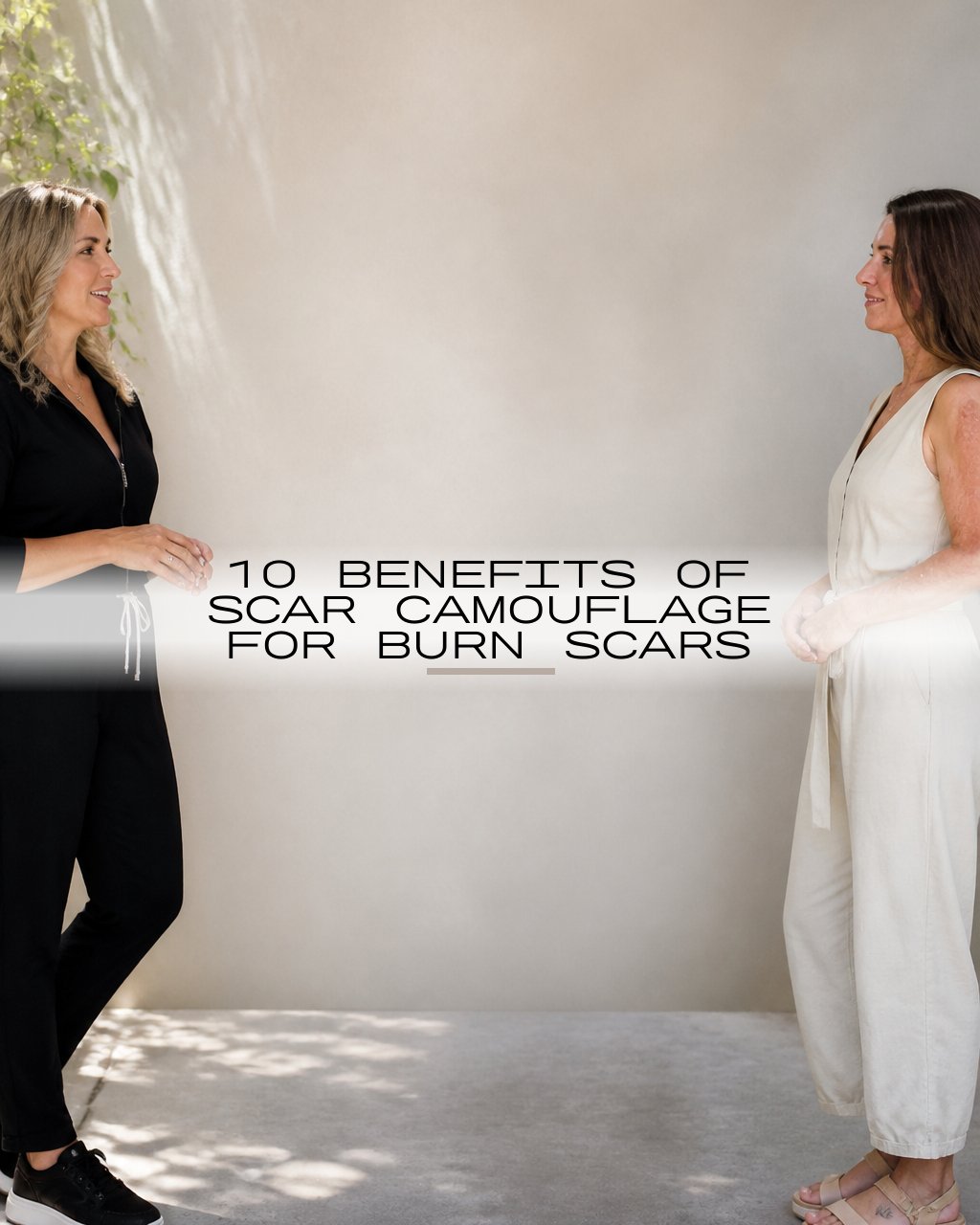
10 Benefits of Scar Camouflage for Burn Scars
Table of Contents
- What Scar Camouflage for Burn Scars Is
- 1. Restores a Natural-Looking Appearance
- 2. Blends Scar Color with Surrounding Skin Tone
- 3. Reduces Visual Contrast and Scar Visibility
- 4. Improves Confidence and Self-Image
- 5. Addresses Skin Discoloration and Uneven Pigmentation
- Who Is a Candidate for Scar Camouflage
- Scar Camouflage Healing Time and Treatment Process
- Frequently Asked Questions
Last Updated: October 12, 2026
What Scar Camouflage for Burn Scars Is
Scar camouflage burn scars is a medical tattooing technique that applies specialized pigments to burned or scarred skin to blend the affected area with surrounding healthy skin tone. At Tonni Petty PMU Artistry, we recognize that burn scars present unique challenges, they often involve pigmentation loss, texture changes, and color mismatch that standard makeup cannot adequately address.
The procedure targets the specific discoloration patterns common to burn injuries. Whether your burn scar appears lighter, darker, or displays uneven pigmentation, scar camouflage uses color-matching techniques to minimize visual contrast. Unlike temporary solutions, this approach offers long-lasting results that don't wash off or require daily reapplication.
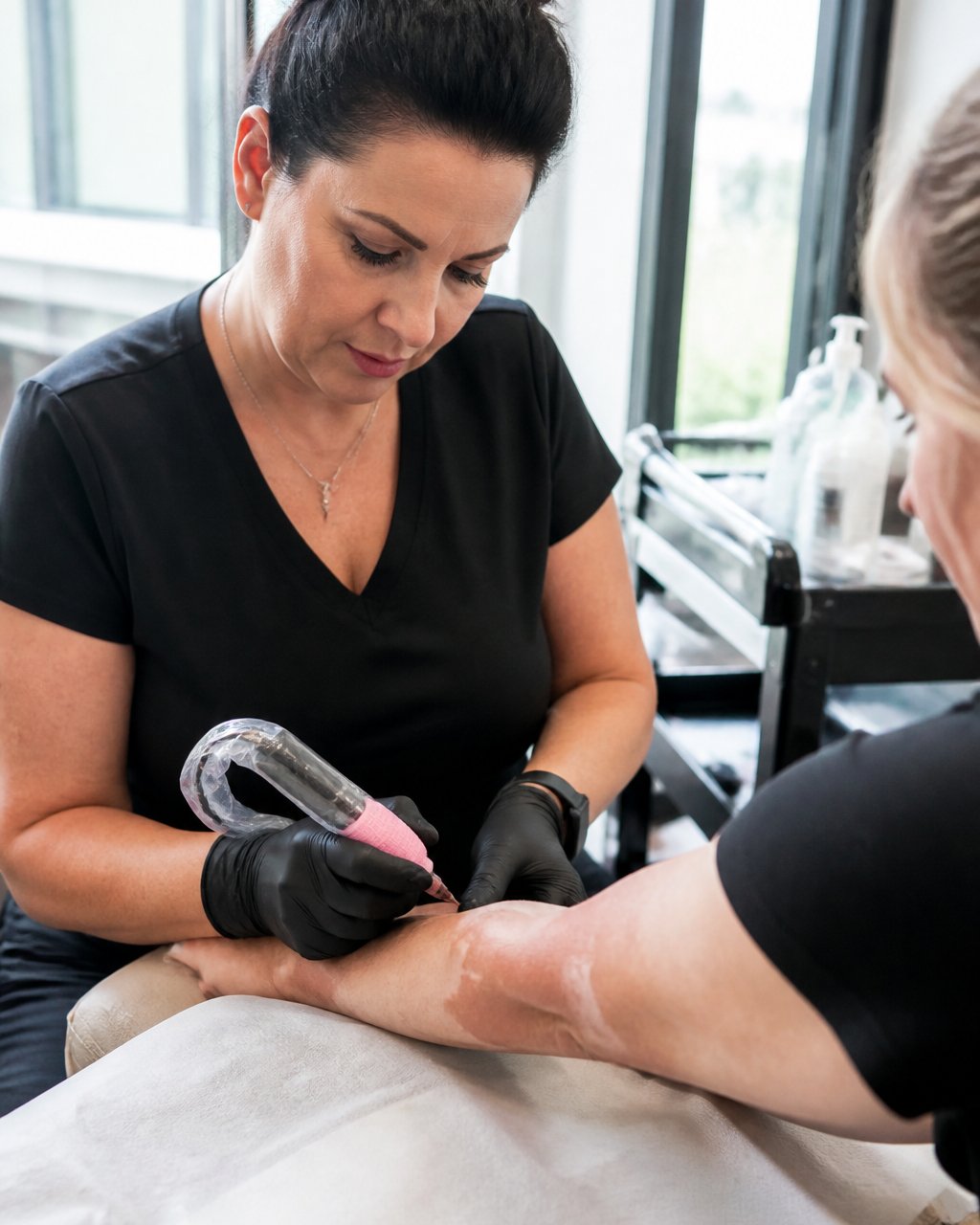
Burn scars vary significantly in appearance depending on the severity and location of the original injury. Some scars appear hypopigmented (lighter than surrounding skin), while others show hyperpigmentation (darker patches). Many burn survivors also experience textural irregularities, raised or depressed areas where collagen remodeling has altered skin architecture.
1. Restores a Natural-Looking Appearance
The primary benefit of scar camouflage for burn scars is restoring a more natural-looking appearance to affected skin. When pigment is carefully matched and applied, the treated area blends seamlessly with surrounding tissue, significantly reducing the visual prominence that often draws attention to the scar.
Burn scars frequently create stark color contrasts against healthy skin. A lighter scar against darker skin, or vice versa, becomes immediately noticeable. Scar camouflage eliminates this contrast by depositing pigment that matches the surrounding skin tone precisely. The result is a unified appearance where the scar no longer stands out as a distinct, discolored patch.
The technique works across different skin tones because pigment selection is individualized. During your consultation, the practitioner assesses your natural skin undertones and selects pigments that create an exact match. This personalized approach ensures the camouflage looks natural and integrates with your skin, rather than appearing as an obvious tattoo or artificial covering.
2. Blends Scar Color with Surrounding Skin Tone
Blending scar color with surrounding skin represents the core mechanism of how scar camouflage works. The treatment directly addresses the pigmentation mismatch that makes burn scars visually prominent.
Burn injuries disrupt melanin production in affected skin. Depending on burn depth and healing response, scars may lose pigment entirely or develop irregular pigmentation patterns. This creates a color contrast that persists even after the wound heals. Scar camouflage solves this by introducing pigment that matches your natural skin tone, restoring visual continuity.
The blending process requires precision. The practitioner evaluates your skin tone under various lighting conditions and selects pigments with matching undertones, whether your skin leans warm, cool, or neutral. During application, pigment is layered carefully to create a gradual transition, ensuring the camouflaged area doesn't appear as a distinct block of color but rather as a natural continuation of surrounding skin.
Different burn scar types respond differently to camouflage. Hypopigmented scars (lighter areas) typically show the most dramatic improvement because adding pigment directly addresses the color deficit. Hyperpigmented scars (darker patches) may require a different approach, sometimes involving lightening treatments before camouflage application.
3. Reduces Visual Contrast and Scar Visibility
Reducing visual contrast is what makes scar camouflage effective at minimizing scar visibility. When color matching is successful, the eye no longer registers the scar as a distinct feature because the contrast that normally draws attention has been eliminated.
Visual prominence of scars depends largely on color contrast rather than texture alone. A scar with similar pigmentation to surrounding skin appears far less noticeable than one with stark color differences, even if the textural irregularity remains unchanged. This is why scar camouflage can produce dramatic improvements in appearance, it addresses the primary visual marker of scarring.
The degree of visibility reduction depends on several factors: how well pigment matches your skin tone, the scar's size and location, and whether texture irregularities are also present. Scars with minimal texture but significant color mismatch show the most dramatic improvement. Scars with both color and texture changes show meaningful improvement in color contrast, though texture remains visible.
4. Improves Confidence and Self-Image
Beyond the physical appearance, scar camouflage burn scars delivers meaningful psychological benefits. Many burn survivors experience self-consciousness about visible scarring, affecting how they dress, interact socially, or feel in their own skin. Reducing the visual prominence of scars often translates directly into improved confidence and self-image.
Visible scars can become a source of unwanted attention or personal distress. Survivors may avoid certain clothing, social situations, or activities to minimize scar visibility. When scar camouflage makes scars substantially less noticeable, this burden often lifts.
The confidence boost extends beyond aesthetics. For many, reducing scar visibility represents reclaiming control over their appearance after a traumatic injury. This sense of agency, choosing to address the scar rather than accepting its visibility, can be psychologically meaningful as part of the healing journey.
The emotional impact varies individually. Some survivors prioritize appearance restoration as a key part of moving forward, while others focus on physical healing first. Neither approach is wrong; scar camouflage is available as an option when and if you decide it's right for you.
5. Addresses Skin Discoloration and Uneven Pigmentation
Burn scars frequently display uneven pigmentation, a mix of lighter and darker patches across the affected area. This creates a mottled appearance that standard cosmetics struggle to conceal. Scar camouflage specifically targets these pigmentation irregularities by selectively applying pigment to hypopigmented areas while leaving or treating hyperpigmented zones.
The technique allows for detailed color correction across the scarred region. Rather than applying uniform pigment across the entire scar, the practitioner can adjust pigment intensity and shade to address specific areas of discoloration.
This precision approach produces more natural-looking results than attempting to cover uneven pigmentation with makeup. Makeup sits on the skin surface and can look artificial, especially over scarred or textured areas. Pigment deposited in the dermal layer integrates with your skin and responds to lighting more naturally, creating a genuinely blended appearance.
Many burn survivors find that addressing uneven pigmentation is the single most transformative benefit of scar camouflage. When the patchiness disappears and skin tone appears uniform, the scar becomes far less visually prominent, even if texture remains.
Who Is a Candidate for Scar Camouflage
Not everyone is an ideal candidate for scar camouflage, and understanding eligibility is essential before pursuing treatment. The most successful outcomes occur when specific conditions are met.
You're likely a good candidate if your burn scar has fully matured, typically 12-18 months after the initial injury. During this healing window, tissue continues to remodel and pigmentation patterns stabilize. Treating scars too early can result in pigment shifting as the scar continues to evolve.
Skin tone and scar characteristics also influence candidacy. Scar camouflage works across all skin tones, but the approach may differ. Darker skin tones may require different pigment selection and application techniques than lighter skin.
Certain medical conditions or medications may affect candidacy. Active skin infections, uncontrolled diabetes, or bleeding disorders can complicate the procedure or affect healing. Medications like blood thinners may increase bleeding during treatment.
Your expectations also matter. Scar camouflage produces significant improvements in color matching and visual prominence, but it's not a miracle cure for severe textural irregularities.
Scar Camouflage Healing Time and Treatment Process
Understanding the treatment timeline helps you plan appropriately and manage expectations. Scar camouflage typically requires multiple sessions spaced over several weeks or months.
Most practitioners recommend 2-4 sessions for optimal results, though this varies based on scar size, color complexity, and how your skin responds to pigment.
Each session typically lasts 1-3 hours depending on scar size and complexity. During the procedure, a topical anesthetic is applied to minimize discomfort.
Healing after each session involves typical tattoo aftercare. The treated area may appear slightly swollen or red immediately after treatment. This typically resolves within 24-48 hours. Over the following 2-4 weeks, the pigment settles and the final color emerges.
Full results typically become apparent 6-8 weeks after the final session, once all pigment has fully settled and any residual inflammation has resolved.
| Treatment Phase | Timeline | Key Details |
|---|---|---|
| Initial consultation | 1 appointment | Scar assessment, pigment matching, expectation setting |
| Session 1 | Week 0 | First pigment application, 1-3 hours |
| Healing period | Weeks 1-4 | Swelling resolves, pigment settles, avoid sun/water |
| Session 2 | Weeks 4-8 | Color refinement, additional pigment as needed |
| Healing period | Weeks 5-8 | Second healing phase, pigment finalization |
| Sessions 3-4 (if needed) | Weeks 8-16 | Additional refinement sessions for complex scars |
| Final results | Week 12-16 | Full color integration, final assessment |
| Maintenance | Year 1+ | Touch-ups every 1-2 years as pigment fades |
The healing process differs from standard tattoos because scar tissue has unique characteristics.
Supporting keywords like healing time and treatment suitability are addressed throughout this section. Understanding the realistic timeline helps you commit to the full treatment course rather than expecting dramatic results from a single session.
Burn scars can profoundly affect how you feel about your appearance and yourself. At Tonni Petty PMU Artistry, we understand that restoring confidence often begins with addressing the visible marks of injury. Beyond scar camouflage, we also offer Permanent Cosmetics Education and Permanent Cosmetic Certification for professionals seeking to expand their expertise in medical tattooing and permanent makeup techniques.
Frequently Asked Questions
Who is a good candidate for scar camouflage on burn scars?
Candidates for scar camouflage typically have fully healed burn scars (usually at least 12-18 months post-injury) with stable skin tone and no active inflammation. Those with lighter to medium skin tones generally see the best color-matching results, though the technique can be adapted across skin types. You should have realistic expectations about what camouflage can achieve, it reduces visibility rather than completely erasing scars. A consultation with an experienced technician, such as those at Tonni Petty PMU Artistry, can determine if your specific scar is suitable for treatment.
How long does scar camouflage healing time take after treatment?
Healing typically takes 7-14 days for the initial phase, during which the treated area may appear darker or slightly raised as the skin settles. Full color stabilization can take 2-4 weeks. Most people can return to normal activities immediately, though you should avoid swimming, excessive sweating, and direct sun exposure for the first week. Follow-up sessions are often scheduled 4-6 weeks after the initial treatment to assess color retention and make adjustments. Aftercare instructions from your technician are critical to achieving optimal results.
How much does scar camouflage cost?
Scar camouflage pricing varies based on scar size, location, complexity, and the number of sessions required. Touch-ups may be needed every few years to maintain color. Contact Tonni Petty PMU Artistry for a personalized quote based on your specific burn scar and treatment goals.
What are the main risks and limitations of scar camouflage?
Scar camouflage cannot completely eliminate scars, it works by reducing their visibility through color blending and pigment application. Limitations include: pigment may fade or shift over time (requiring touch-ups), results depend heavily on the technician's skill and color-matching ability, and some skin types or scar textures may not respond as well. Risks are minimal but can include temporary redness, swelling, or rare allergic reactions to pigments. The treatment works best on flat or slightly raised scars; deeply textured or severely contracted scars may require additional pretreatment. Discuss realistic expectations during your consultation.
Can scar camouflage completely hide a burn scar?
Scar camouflage significantly reduces the visibility of burn scars by blending pigmentation with surrounding skin tone, but it cannot completely erase them. The goal is to make scars less noticeable and more aesthetically harmonious with the surrounding skin. Results are most dramatic on scars with significant color contrast or discoloration. If a scar has texture or depth, camouflage addresses the color component while the scar's texture may still be visible under certain lighting. Combined with other treatments like microneedling before camouflage, results can be more comprehensive.