 how-to
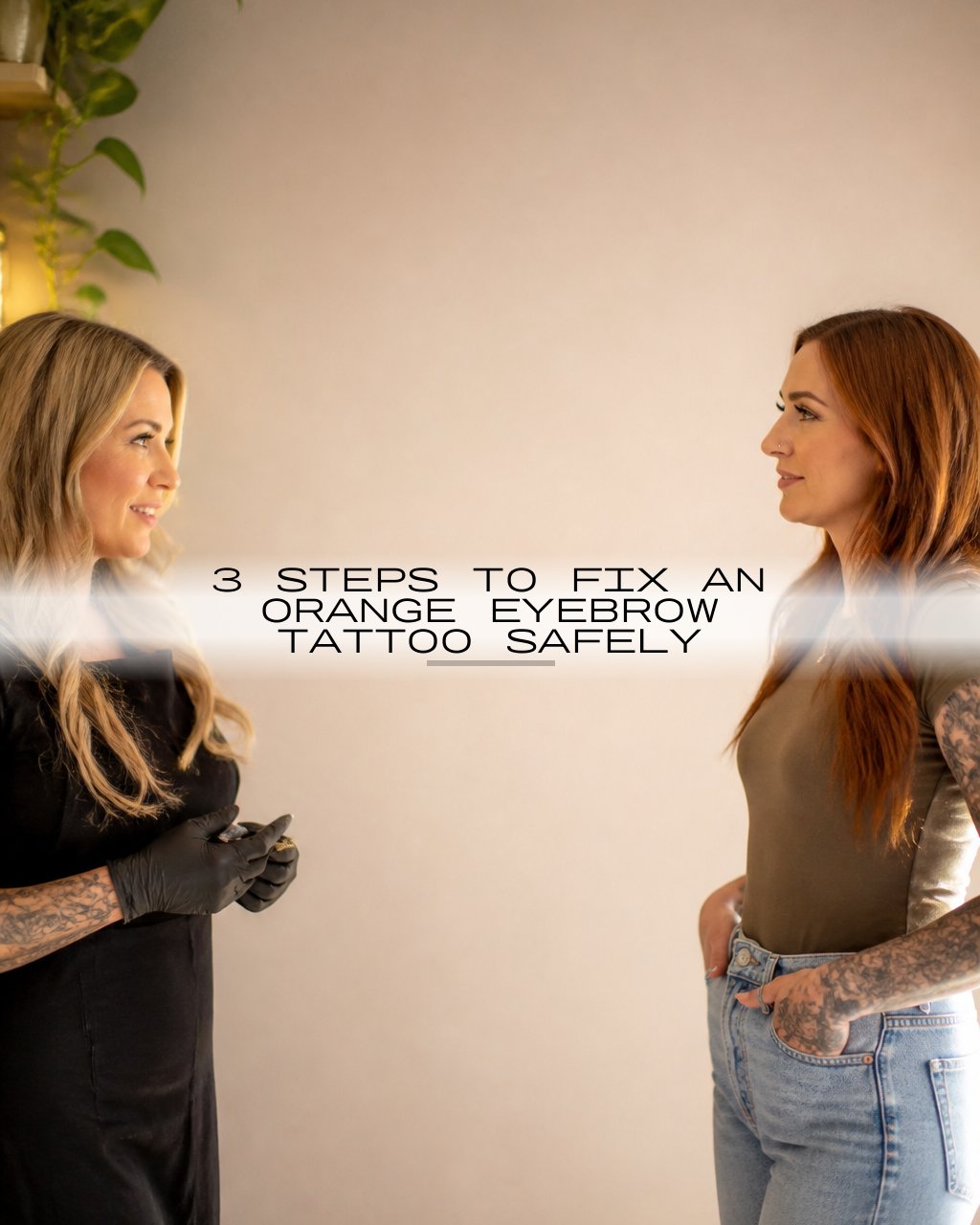
3 Steps to Fix an Orange Eyebrow Tattoo Safely
Quick Summary
Orange eyebrow tattoos usually come from pigment oxidation, skin undertone, or an old or mismatched color choice, and they are often fixable. Safe correction starts with a professional assessment, then either color correction or removal, depending on the pigment's age, saturation, and depth.
- Orange brows often result from iron oxide pigments shifting warmer, plus warm skin undertones and sun exposure.
- Start with a professional assessment of pigment color, depth, skin undertone, and previous work.
- Blue-toned corrective pigment can neutralize moderate orange, while heavily saturated orange often needs removal first.
- Most corrections take multiple sessions spaced several weeks apart, so a one-visit fix is unrealistic.
- Judge the result only after full healing, typically four to six weeks, not on day three.
Table of Contents
- Why Eyebrow Tattoos Turn Orange
- Step 1: Assess Your Brows Before Choosing a Fix
- Step 2: Choose Between Color Correction and Pigment Removal
- Step 3: Plan Your Correction Sessions and Timeline
- Safety Screening, Aftercare, and Common Mistakes
- Booking a Consultation to Correct Your Brows
- Frequently Asked Questions
Why Eyebrow Tattoos Turn Orange
Orange eyebrow tattoos are one of the most common complaints in permanent makeup. If your brows look rusty, brassy, or warm months after your appointment, you are not alone, and it is usually fixable.
The first thing to know is that orange is rarely a sign of bad pigment alone. It usually comes from a mix of how the pigment settles, how your skin reacts, and what color was placed in the first place.
Pigment Oxidation and Undertone Shifts
Over time, pigment can change as it settles into the skin. Iron oxide pigments, which are common in brow products, can shift warmer as they break down or oxidize.
Skin undertone also plays a big role. Warm undertones tend to push pigment toward orange, while cool undertones can make the same pigment look grayer. Sun exposure can make these shifts more noticeable.
Old Pigments and Previous Color Choices
Many orange brows are the result of an older tattoo that was never corrected. Brow pigments from earlier years sometimes used formulas that fade more unevenly than current options.
A common mistake is choosing a brow color that is too light or too warm for your skin. When that happens, the color can look orange from day one, or it can drift in that direction as it heals.
Step 1: Assess Your Brows Before Choosing a Fix
Before choosing any treatment, you need to know what you are working with. A proper assessment is the most important step in fixing orange eyebrow tattoos safely.
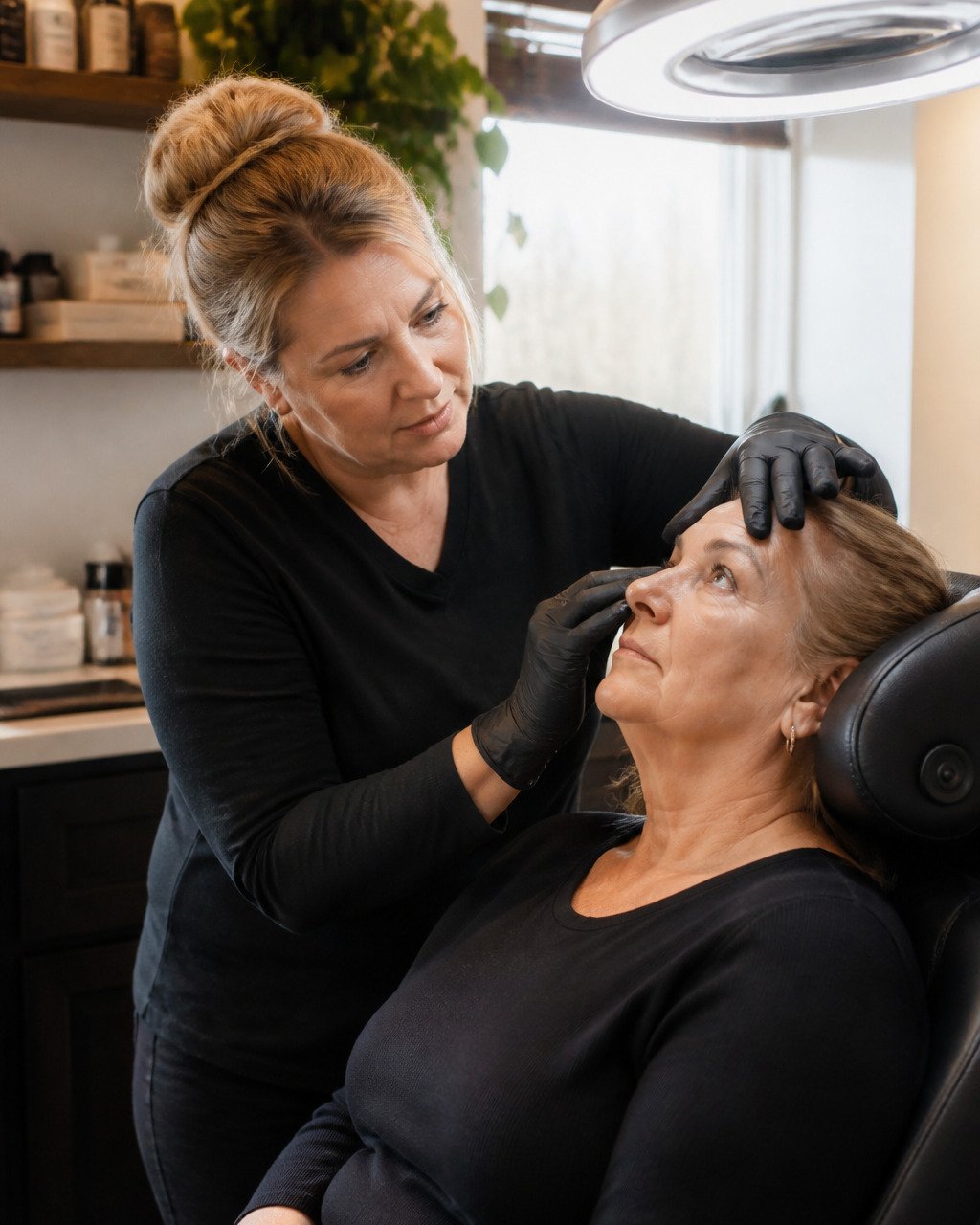
A qualified artist should check:
- Pigment color: What shade is in the skin now?
- Depth: How deep is the pigment?
- Skin type and undertone: Is your skin warm, cool, or neutral?
A good consultation takes time, and anyone who rushes this step is more likely to choose the wrong fix. Ask for a patch test if you have sensitive skin or past reactions. If your brows were originally done with a different technique, let your artist know, since the technique affects how the pigment sits in the skin.
Step 2: Choose Between Color Correction and Pigment Removal
Once the assessment is done, you have two main paths: correct the color or remove the pigment. Each works in a different way, and the right choice depends on how dark the brow is, how much orange remains, how old the tattoo is, and what result you actually want. Most practitioners use a simple decision tree before recommending anything.
A Decision Tree for Orange Brows
Work through these questions in order with your provider:
- Is the orange in the tattoo pigment or in the brow hair? If the hair itself is orange from bleaching, tinting, or processing, this is a hair-color problem, not a tattoo problem, and it should be handled with a grow-out plan or a colorist, not laser or corrective pigment. The rest of this section assumes the discoloration is in the skin.
- How old is the tattoo? Fresh brows (under about six weeks) may still be healing and can look warmer than the final result. Wait for full healing before judging the color. Mature tattoos (typically a year or more) are stable enough to treat.
- How saturated is the orange? Light, warm-brown fading often responds well to color correction. Saturated rust, peach, or yellow-orange usually needs removal first, because layering corrective pigment over heavy orange can produce muddy or ashy results.
- How many prior sessions are in the skin? Repeatedly tattooed brows hold more pigment and are harder to correct in one pass; removal is often the safer first step.
- What is the desired outcome? If you want to keep a brow shape and just neutralize the tone, correction may be enough. If you want the orange gone entirely before a fresh set, plan for removal.
How Color Theory Neutralizes Orange Tones
Color correction uses color theory. Orange sits opposite blue on the color wheel, so a blue-toned or green-toned corrective pigment can cancel out unwanted orange.
This approach works well when the orange is moderate and the pigment is still present. It is often gentler than removal, but it still needs an experienced artist who understands how corrective pigments behave on different skin tones.
Laser and Saline Removal Options
When the color is too far gone to correct, removal may be a better choice.
Laser energy breaks pigment into smaller particles that the body clears over time, and pigment colors respond differently to laser depending on their tone.
Saline-based removal is another option, and results depend on the pigment, the depth, and the number of sessions. Clients considering removal should ask any provider how the available methods compare for their specific pigment and skin type.
Safety Screening Before Any Removal
Eyebrow-area laser treatment is not a casual service. Before booking any removal, expect a qualified provider to screen for:
- Eye protection: Laser near the brow requires proper eye shields for both client and provider; never accept treatment without them.
- Skin type and history: A history of keloid scarring, active skin infection, or recent sun exposure to the brow area can change the plan.
- Medications and health conditions: Blood thinners, photosensitizing medications, pregnancy, and some autoimmune conditions may be contraindications or require a provider's clearance.
The article outlines two main paths for correcting orange brows, with the key differences summarised below.
| Option | Best for | Key difference |
|---|---|---|
| Color correction | Warm-brown or faded orange | Blue-toned pigment cancels orange; often gentler |
| Laser removal | Color too far gone to correct | Pigment broken down and cleared by the body |
| Saline removal | Pigment removal when correction is not suitable | Results depend on pigment, depth and session count |
| Wait for healing | Fresh brows under about six weeks | Color may look warmer until fully healed |
Step 3: Plan Your Correction Sessions and Timeline
Most corrections take more than one visit. Healing time, pigment response, and skin recovery all affect the schedule, and the full process can take months rather than days. For a specific walkthrough, see this guide on fixing orange faded brows and what the process involves. The single biggest source of disappointment is expecting a one-and-done result.
Realistic Session Ranges
Exact numbers vary by provider, pigment, and skin, but common patterns are:
- Color correction: the number of appointments varies by pigment and skin, and each session is typically spaced several weeks apart.
These are ranges, not promises. A provider who quotes a fixed number of sessions before assessing your brows is guessing.
What Happens Between Sessions
Healing is part of the treatment, not a pause in it. A typical cycle looks like this:
- Days 1-3: the area may look darker, warmer, or more saturated than expected, this is normal and not the final color.
- Days 4-10: flaking and lightening; the brow may look patchy or uneven as pigment settles.
- Weeks 2-4: color continues to soften; this is when you can start judging direction, not final result.
- Weeks 4-8: the skin has healed enough for the next session or for a final assessment.
Aftercare That Protects Your Result
Aftercare plays a big role in how the color heals. Follow your artist's instructions closely, and avoid picking at scabs or flakes. Protect the area from direct sun during healing, since sun exposure can darken or shift healing pigment. Avoid harsh skincare acids, retinoids, and exfoliants on the brow area until your provider clears them.
When to Judge the Result
Do not judge a correction or removal session on day three. Wait until the skin has fully healed, typically four to six weeks, before deciding whether the color is where you want it. Temporary warmth, redness, or darkening during healing is common and usually resolves. If the orange looks unchanged after full healing, that is the signal to adjust the plan, not to book another session immediately.
Costs and Outcome Variability
Pricing depends on quantity, dates, and the approach chosen. For current prices or a quote, contact Tonni Petty PMU Artistry directly. Ask for a written estimate that covers the number of sessions in the plan, what happens if more sessions are needed, and whether consultations or patch tests are included. Outcome variability is real: two clients with similar-looking orange brows can need different session counts because pigment depth, skin type, and prior work differ.
Safety Screening, Aftercare, and Common Mistakes
Safety comes first. Some health conditions, medications, and skin issues can make correction or removal risky. Tell your artist about any history of keloid scarring, skin infections, blood-thinning medication, or recent sun exposure to the brow area.
Aftercare plays a big role in how the color heals. Follow your artist's instructions closely, and avoid picking at scabs or flakes. Protect the area from direct sun during healing.
Common mistakes include:
- Trying a DIY fix with store-bought products
- Skipping the patch test
- Booking sessions too close together
- Choosing the cheapest option without checking credentials
Booking a Consultation to Correct Your Brows
If your brows have turned orange, the best next step is a consultation with a qualified corrective specialist. Look for an artist who explains the options clearly, asks about your history, and gives you a realistic timeline.
At Tonni Petty PMU Artistry, consultations include a personalized assessment. We can talk through your goals and what a realistic plan looks like.
Frequently Asked Questions
Why did my eyebrow tattoo turn orange?
Eyebrow tattoo pigment usually turns orange because of oxidation, skin undertones, or pigments that were too warm or too light for your skin. Iron-oxide pigments can shift as they age and sit in the dermis, and blue or gray tones can break down so the remaining warm tones show through. Light sun exposure and healing differences can also make the color look more orange over time, which is why a professional assessment is the best first step.
Can an orange eyebrow tattoo be corrected?
In most cases, yes. A trained specialist can apply corrective pigment in a cool tone, such as a blue or green-based shade, to neutralize orange undertones. If the color is too deep or the pigment is stubborn, removal may be recommended first. Outcomes vary with skin type, pigment composition, and how long the tattoo has been in place, so a patch test and consultation help set realistic expectations.
How many sessions does eyebrow tattoo color correction take?
Many people need two to three sessions, spaced several weeks apart so the skin can heal and the pigment can settle. Heavily oxidized or deep pigment may take longer. Your specialist can estimate the number of sessions after assessing your brows, and pricing depends on the approach chosen and the number of visits needed.
When should I see a professional about an orange eyebrow tattoo?
See a qualified permanent makeup professional as soon as you notice a color shift, especially if the brows look red, swollen, or painful, or if you have a history of skin conditions, keloid scarring, or medical treatments that affect healing. A professional can determine whether correction, removal, or waiting is appropriate, and can refer you to a physician if an infection or reaction is suspected.