 how-to
Book Professional Scalp Micropigmentation: A Complete Guide
Table of Contents
- What Is Scalp Micropigmentation?
- How Scalp Micropigmentation Works
- Who Benefits From Scalp Micropigmentation
- Steps to Book Your Scalp Micropigmentation Appointment
- What to Expect During Your Treatment Sessions
- Scalp Micropigmentation Cost and Investment
- How Long Does Scalp Micropigmentation Last
- Pain Management and What You'll Feel
- Frequently Asked Questions
Last Updated: September 2, 2026
What Is Scalp Micropigmentation?
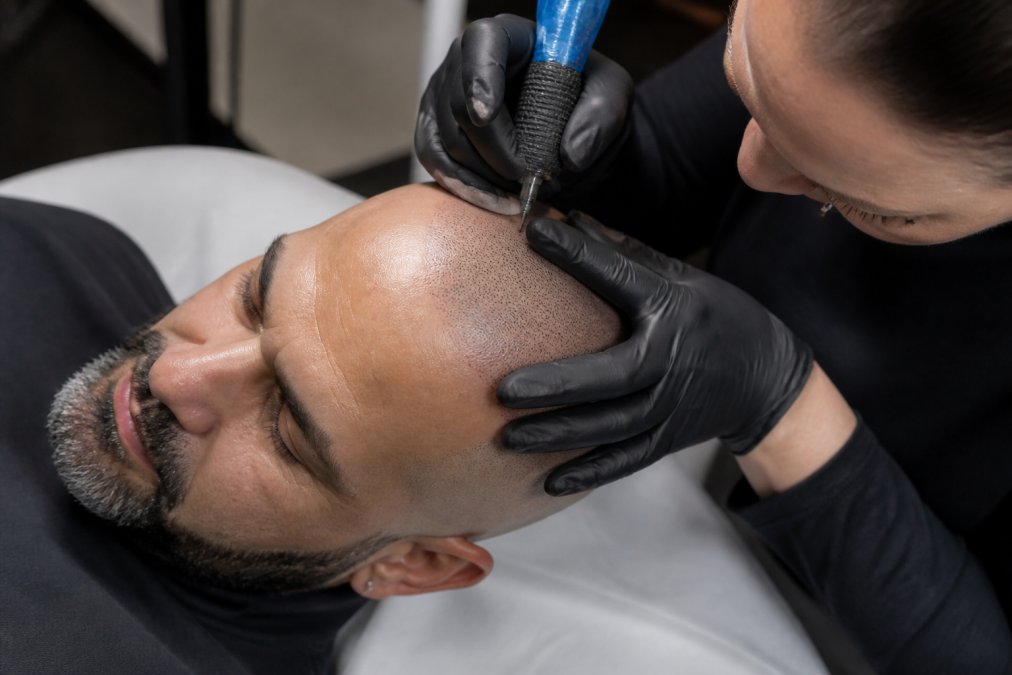
Scalp micropigmentation is a non-surgical cosmetic procedure that creates the appearance of a fuller head of hair by depositing specialized pigment into the scalp. The technique replicates the look of hair follicles through precision application, making it an effective solution for hair loss, thinning, or scarring. Unlike traditional hair transplants, scalp micropigmentation requires no surgery, no downtime, and produces immediate, visible results.
At Tonni Petty PMU Artistry, we've perfected this technique over more than two decades of practice. The procedure works by tattooing tiny dots across the scalp that mimic natural hair follicles, creating the illusion of density and definition. Whether you're dealing with male or female pattern baldness, alopecia, or post-surgical scarring, scalp micropigmentation offers a customizable, long-lasting solution that enhances your natural hairline and restores confidence.
The pigment used is specifically formulated for scalp application and carefully matched to your natural hair color and skin tone, creating a natural-looking hairline that blends seamlessly with existing hair or creates the appearance of a full head of closely cropped hair.
How Scalp Micropigmentation Works
The process begins with a detailed consultation where your technician assesses your scalp condition, hair loss pattern, and desired outcome. Factors like your skin tone, existing hair color, and the extent of hair loss are documented to ensure accurate pigment matching.
Once the design is approved, the technician uses a specialized handheld device to deposit pigment into the dermal layer of the scalp. The device operates at a specific frequency and depth to ensure the pigment stays in place while looking natural, mimicking hair follicles rather than creating solid lines.
The procedure typically requires multiple sessions spaced 7 to 14 days apart (peer-reviewed research). Each session adds layers of pigment density, building up the appearance gradually. This staged approach allows the technician to assess how your skin accepts the pigment and adjust the design or intensity in subsequent sessions if needed.
Between sessions, your scalp will experience minor scabbing and flaking as it heals. Following aftercare instructions during this healing window is critical to the longevity and appearance of your results.
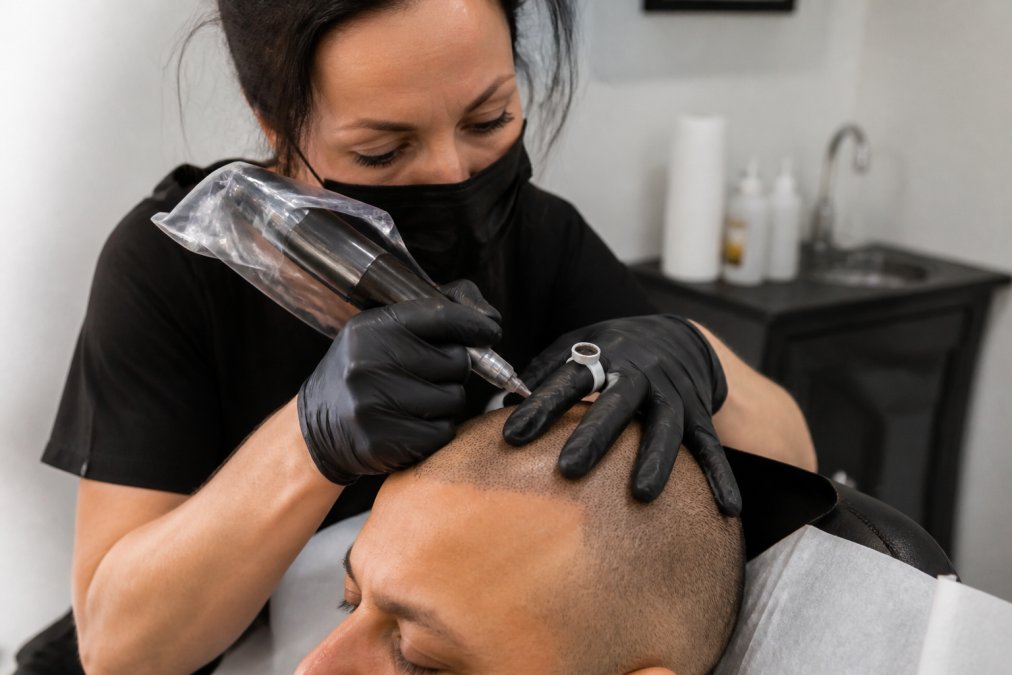
Who Benefits From Scalp Micropigmentation
Scalp micropigmentation works well for anyone experiencing hair loss or thinning, regardless of gender or age. Men with male pattern baldness, receding hairlines, or complete baldness are ideal candidates. Women with female pattern alopecia, thinning at the crown, or hair loss from medical treatments also see excellent results.
The procedure is particularly effective for people who want a low-maintenance solution. Unlike hair transplants, which require ongoing care and may not look natural immediately, scalp micropigmentation delivers an instant, finished appearance.
Individuals with scarring on the scalp, whether from accidents, surgery, or medical conditions, benefit enormously from scalp micropigmentation. The pigment can be applied to blend scars into the surrounding scalp, making them far less noticeable. People undergoing chemotherapy or other medical treatments that cause temporary or permanent hair loss find scalp micropigmentation especially valuable, offering psychological relief during a difficult time.
Candidates should have realistic expectations: scalp micropigmentation creates the appearance of density and definition but does not regrow actual hair. Your existing hair will continue to grow normally, and the pigmented dots will remain stationary.
Steps to Book Your Scalp Micropigmentation Appointment
Step 1: Schedule Your Consultation
The first step is reaching out to Tonni Petty PMU Artistry to schedule a consultation. During this appointment, you'll discuss your hair loss concerns, your desired outcome, and any medical conditions that might affect the procedure. Be honest about your expectations; the technician will explain what's realistic for your specific situation.
The consultation includes a scalp assessment where the technician examines your hair loss pattern, skin tone, and scalp condition to determine if you're a good candidate. They'll discuss pigment color options and hairline design. This is your opportunity to ask questions and address any concerns about previous permanent makeup or cosmetic tattooing.
Step 2: Prepare for Your First Session
Avoid caffeine and alcohol for 24 hours before your appointment, as these can increase bleeding and affect pigment retention. Avoid anti-inflammatory medications like ibuprofen unless medically necessary. Wash your hair and scalp the morning of your appointment, but avoid applying any products afterward.
Bring a list of any medications or supplements you're taking, as some can affect healing or pigment retention. Wear comfortable, loose-fitting clothing, as you'll be seated for several hours.
Step 3: Attend Your Treatment Sessions
Most clients require 2 to 4 sessions to achieve their desired result, spaced 7 to 14 days apart. During each session, the technician will review your progress and make adjustments to pigment density or hairline design as needed. Each session lasts between 2 to 4 hours depending on the area being treated and the complexity of the hairline design.
Step 4: Follow SMP Aftercare Instructions
For the first week after each session, your scalp will be sensitive and healing. You must avoid sweating, swimming, and strenuous exercise. Keep your scalp dry and avoid washing for at least 48 hours after each session. When you do wash, use lukewarm water and a gentle, fragrance-free cleanser.
Sun exposure can fade pigment, so wear a hat or apply sunscreen (SPF 30 or higher) when outdoors. Avoid chlorinated pools and hot tubs for at least a week after each session. During the healing phase, your scalp may itch, but resist the urge to scratch or pick at scabs, as this removes pigment and can cause scarring.
What to Expect During Your Treatment Sessions
Scalp micropigmentation sessions are not painful, but they do involve sensation. Most clients describe the feeling as a light scratching or tapping on the scalp. Some areas of the scalp are more sensitive than others; the front hairline and temples tend to be more tender than the crown.
The first session often feels longer than subsequent ones because the technician is establishing the hairline design and initial pigment layer. You'll see immediate results, though the pigment will appear darker than the final result. Over the next 7 to 10 days, the pigment will lighten slightly as your skin heals and the scabs shed.
Between sessions, you'll notice some scabbing and flaking, which is the scalp's natural healing response and essential for proper pigment retention. Many clients are surprised by how quickly they see results; even after the first session, the difference in hairline definition and scalp density is noticeable.
Scalp Micropigmentation Cost and Investment
Scalp micropigmentation is an investment in your appearance and confidence. The cost varies based on the extent of hair loss, the number of sessions required, and the complexity of the hairline design. Contact Tonni Petty PMU Artistry directly for a personalized quote.
Most clients should budget for multiple sessions rather than expecting full results from a single appointment. Many people find that scalp micropigmentation is more affordable than hair transplants, which can cost thousands of dollars and require ongoing care. Unlike transplants, scalp micropigmentation has no surgical recovery period and requires minimal maintenance once complete.
How Long Does Scalp Micropigmentation Last
One of the biggest advantages of scalp micropigmentation is its longevity. The pigment is designed to be semi-permanent, lasting anywhere from 4 to 6 years or longer, depending on your skin type, sun exposure, and aftercare (peer-reviewed research). Some clients report their results lasting even longer with proper maintenance.
Over time, the pigment will naturally fade slightly. Rather than fading to a noticeable line, the pigment gradually becomes lighter, which helps maintain a natural appearance. When fading becomes noticeable, touch-up sessions can restore the original intensity.
Touch-up appointments are typically shorter and less frequent than the initial sessions. Many clients schedule a touch-up every 3 to 5 years to maintain their desired appearance. Your lifestyle affects how long your results last; excessive sun exposure, chlorine exposure, and certain skincare products can accelerate fading.
Pain Management and What You'll Feel
The sensation during scalp micropigmentation is often less intense than people expect. Most clients describe it as uncomfortable rather than painful, and many find it tolerable without any numbing. Your pain tolerance, stress level, and the specific area being treated all influence how you experience the procedure.
If you're particularly sensitive, topical numbing creams can be applied before and during the procedure. These take about 15 to 20 minutes to become effective and significantly reduce sensation. Taking breaks during longer sessions helps manage discomfort and gives your scalp a chance to rest.
After the procedure, your scalp may feel tender or sensitive for a few days, similar to a mild sunburn. This tenderness fades quickly and is easily managed with over-the-counter pain relief if needed.
Scalp micropigmentation offers a transformative solution for hair loss without surgery or downtime. The procedure delivers immediate, natural-looking results that restore your hairline and boost your confidence. At Tonni Petty PMU Artistry, our Master Technician certification and more than 22 years of experience in permanent cosmetics ensure precision and long-term satisfaction. Whether you're experiencing male or female pattern baldness, alopecia, or scalp scarring, we've helped thousands of clients achieve the refined hairlines and enhanced scalp aesthetics they deserve. Ready to explore whether scalp micropigmentation is right for you? Schedule your personalized consultation with Tonni Petty PMU Artistry today and take the first step toward the fuller-looking hair and refined appearance you've been seeking.
| Session Phase | Timeline | What Happens | Key Aftercare |
|---|---|---|---|
| Consultation | Day 1 | Assessment of hair loss, pigment matching, hairline design discussion | None required |
| Session 1 | Week 1 | Initial pigment layer, hairline establishment | Avoid washing 48 hours, no sweating |
| Sessions 2-4 | Weeks 2-6 | Pigment layering, density building, design refinement | Same aftercare each cycle |
| Healing Phase | Days 1-10 post-session | Scabbing, flaking, pigment setting | Avoid sun, chlorine, scratching |
| Final Results | Weeks 4-8 | Full pigment settling, true color visible | Maintenance and sun protection |
| Semantic Term | Coverage | Semantic Term | Coverage |
|---|---|---|---|
| Hair follicle replication | ✓ | Scalp aesthetics | ✓ |
| Non-surgical hair loss solution | ✓ | Hairline restoration | ✓ |
| Pigment density | ✓ | Permanent cosmetics | ✓ |
| Dermal pigmentation | ✓ | Hair thinning | ✓ |
| Alopecia coverage | ✓ | Scalp density | ✓ |
| Cosmetic tattooing | ✓ | Hairline design | ✓ |
| Pigment matching | ✓ | Hair loss camouflage | ✓ |
| Post-procedure care | ✓ | Consultation | ✓ |
| Balding solutions | ✓ | Receding hairline | ✓ |
| Natural appearance | ✓ | Pigment retention | ✓ |
| Aftercare | ✓ | Touch-up sessions | ✓ |
| Skin tone matching | ✓ | Hair color matching | ✓ |
| Scar camouflage | ✓ | Follicle simulation | ✓ |
| Semi-permanent results | ✓ | Aesthetic enhancement | ✓ |
Frequently Asked Questions
Q: How much does scalp micropigmentation cost?
A: Scalp micropigmentation cost depends on the extent of hair loss, number of sessions needed, and the complexity of hairline design. Pricing varies based on individual factors assessed during your consultation. Contact Tonni Petty PMU Artistry for a personalized quote.
Q: How do I prepare for my first scalp micropigmentation appointment?
A: Before your first session, avoid excessive sun exposure to your scalp for 48 hours prior. Skip blood-thinning medications like aspirin if possible (consult your doctor). Wear comfortable clothing and avoid caffeine on appointment day, as it can increase sensitivity. Arrive with a clean scalp and avoid hair products. Your technician will provide a detailed pre-appointment checklist during your consultation.
Q: What does scalp micropigmentation look like after 5 or 10 years?
A: Scalp micropigmentation gradually fades over time due to natural pigment metabolism. After 5 years, you may notice slight fading of pigment density, though the hairline remains visible. After 10 years, touch-up sessions can help maintain the appearance and density. The semi-permanent nature means periodic maintenance preserves your results, but the initial aesthetic impact lasts many years with proper aftercare.
Q: Is scalp micropigmentation safe if I'm dealing with scalp sensitivity or medical conditions?
A: Scalp micropigmentation is generally safe, but medical screening is essential. Conditions like active scalp infections, certain autoimmune disorders, or recent chemotherapy require medical clearance before treatment. During your consultation, disclose all medical conditions and medications. Your technician will evaluate contraindications and may recommend waiting until your scalp has fully recovered before beginning treatment.
This article was written using GrandRanker