 how-to
Permanent Makeup Safety for People With Allergies
Table of Contents
- Is Permanent Makeup Safe for People With Allergies
- Understanding Permanent Makeup Allergic Reaction Symptoms
- Pigment Ingredients and Allergy Risks
- The Role of Permanent Makeup Patch Testing
- Permanent Makeup for Sensitive Skin: What You Need to Know
- Choosing a Qualified Practitioner to Minimize Risk
- Preparing for Your Consultation: Questions to Ask
- What to Do If You Experience a Reaction
- Frequently Asked Questions
Last Updated: October 17, 2026
Is Permanent Makeup Safe for People With Allergies
Permanent makeup, also called cosmetic tattooing or microblading, carries real risks for people with sensitive skin or known allergies, and permanent makeup allergies require careful screening before the procedure. The pigments, numbing agents, and aftercare products can all trigger reactions. But the good news is that with proper screening and the right practitioner, many people with allergies successfully get permanent makeup done.
At Tonni Petty PMU Artistry, safety comes down to three things: knowing your allergy history, understanding what's in the pigment, and choosing a qualified practitioner who takes time to assess your skin before the procedure.
The question isn't whether permanent makeup is safe for allergic people, it's how to approach it carefully. This guide walks you through the risks, the warning signs, and exactly what to ask before you book.
Understanding Permanent Makeup Allergic Reaction Symptoms
Allergic reactions to permanent makeup happen in two ways: immediately during or right after the procedure, or days or weeks later. Knowing the difference matters because it changes what you should do next.
Immediate vs. Delayed Reactions
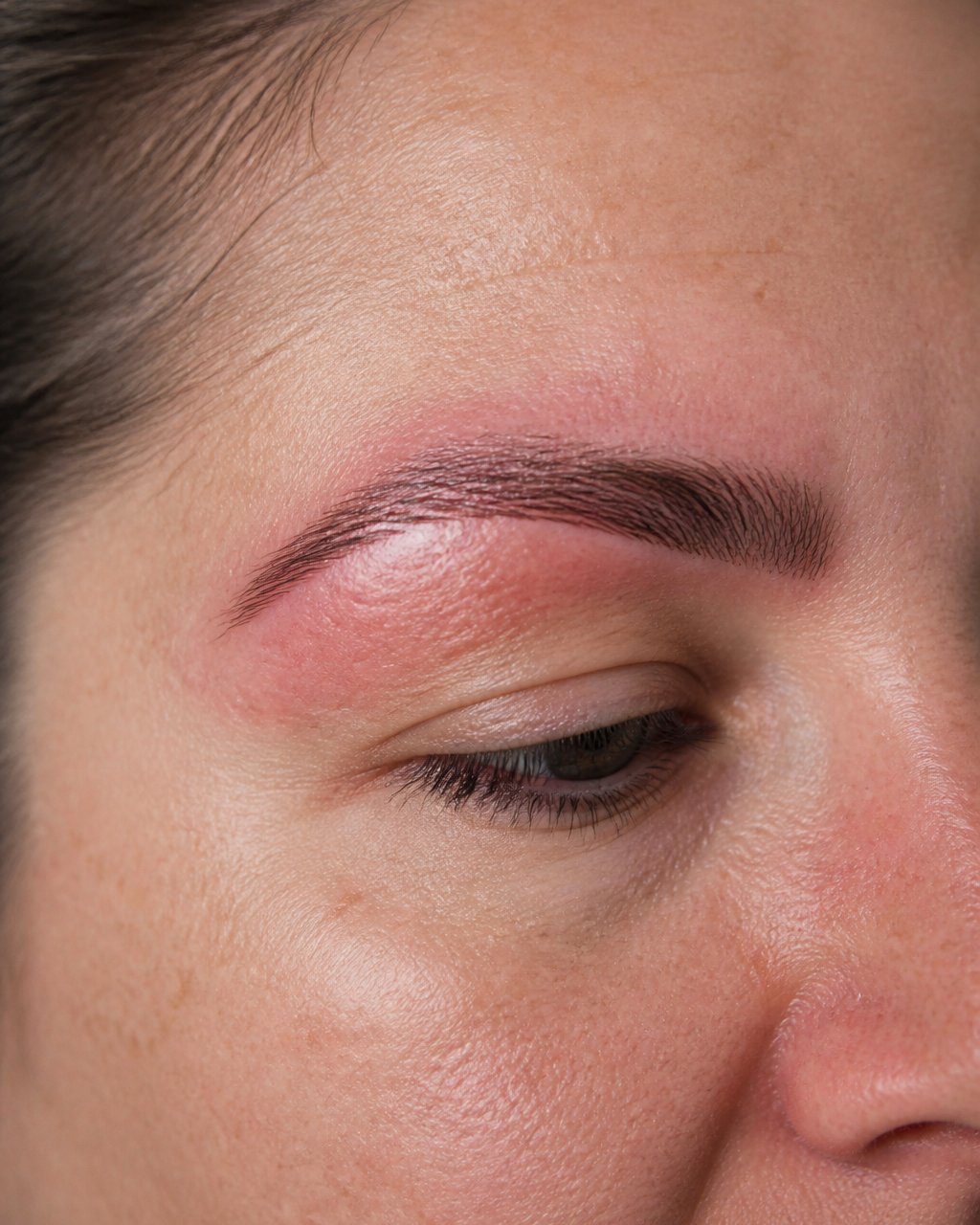
Immediate reactions occur within minutes to a few hours of the procedure. Your skin might itch, swell, or turn red. These usually come from the numbing agent (often lidocaine) or a reaction to the needle itself. Delayed reactions show up 24 hours to several weeks after the appointment. You might notice itching, redness, or a raised bump that won't go away. Delayed reactions typically point to the pigment or an infection.
When to Seek Medical Attention
Most redness and mild swelling after permanent makeup is normal healing. But you should contact a doctor if:
- Swelling spreads beyond the treated area
- You develop a fever or feel feverish
- The itching or pain gets worse after day three
- You see pus or discharge
- The reaction spreads to your eyes or mouth
- You have trouble breathing or feel dizzy
These signs suggest infection or a severe allergic response that needs medical care right away.
Pigment Ingredients and Allergy Risks
The pigments used in permanent makeup contain colorants and carriers. The most common colorants are iron oxide, titanium dioxide, and carbon black. These are generally considered safe, but some people do react to them.
Iron oxide is the most widely used pigment in permanent makeup. It's the same ingredient used in many cosmetics and has a low allergy rate. Titanium dioxide appears in white and light-colored pigments. Carbon black creates dark pigments and can occasionally trigger sensitivity in people with metal sensitivities.
Beyond the main colorants, pigments also contain carriers, usually glycerin or distilled water, that hold the color. Some practitioners add preservatives to prevent contamination. If you have a known allergy to any of these ingredients, tell your practitioner before the procedure.
The numbing agent matters just as much as the pigment. Most practitioners use lidocaine-based anesthetics. If you've had a reaction to lidocaine at the dentist or during another procedure, mention it. Your practitioner may use an alternative numbing option or adjust the approach.
The Role of Permanent Makeup Patch Testing
A patch test sounds like a simple solution: apply a tiny amount of pigment to your skin, wait a few days, and see if you react.
What a Patch Test Can and Cannot Tell You
A patch test can show whether your skin reacts to a specific pigment or numbing product applied to the surface, helping identify potential permanent makeup allergies before the full procedure. It is a useful screening tool, especially if you have a known sensitivity to metals, preservatives, or fragrances.
A negative patch test also cannot guarantee that a delayed reaction will not occur. Many pigment reactions are delayed hypersensitivity reactions that can appear days to weeks after exposure, and a short surface test may not capture them. Think of patch testing as one layer of screening, not a guarantee.
Timing and Practical Logistics
A proper patch test requires planning. Most practitioners who offer testing apply the pigment to a small area, often behind the ear or on the inner forearm, and ask you to leave it undisturbed for 24 to 48 hours, sometimes longer.
Ask your practitioner these questions before relying on a patch test:
- Which specific pigments and numbing products will you test?
- How long should I leave the test area undisturbed?
- What should I do if I see redness, itching, or a bump?
- Will you document the test and review it with me before the procedure?
Why Some Practitioners Skip It
Not every studio offers patch testing, and some practitioners argue that a surface test creates a false sense of security. Others reserve testing for clients with a known allergy history.
Permanent Makeup for Sensitive Skin: What You Need to Know
If you have sensitive skin, permanent makeup is still possible, but it requires extra care during the consultation and procedure.
Sensitive skin reacts more easily to irritants. You might have rosacea, eczema, or just naturally reactive skin. Any of these means you need a practitioner who understands how to work with sensitive skin types.
Before booking, tell your practitioner about your specific skin condition. Rosacea flares with heat and irritation, so the procedure itself might trigger a temporary flare. Eczema-prone skin needs gentle aftercare to avoid triggering a breakout. Naturally reactive skin benefits from a lower-pigment-density approach in the first session.
The numbing phase matters more for sensitive skin. Some practitioners use a topical anesthetic first, then inject a local anesthetic. Others use only topical numbing. Discuss which approach your practitioner recommends for your skin type.
Aftercare is where sensitive skin clients often run into trouble. Many standard aftercare products contain fragrance, alcohol, or preservatives that can irritate reactive skin. Ask your practitioner what they recommend. Some suggest plain aquaphor or unscented moisturizer instead of branded aftercare products.
Choosing a Qualified Practitioner to Minimize Risk
The practitioner you choose matters more than anything else. A skilled, experienced practitioner knows how to screen for allergies, adjust the procedure for sensitive skin, and spot problems early.
Look for someone with formal training and certification. In the United States, permanent makeup practitioners should be trained through a recognized program. The American Institute of Intradermal Cosmetics and the American Academy of Micropigmentation set standards for the industry. Practitioners certified through these organizations have completed rigorous training on safety, hygiene, and technique. If you're considering services like Microblading Brows, Lip Blushing, Powder Brows, or Combo Brows, verify that your chosen provider has proper credentials and experience.
Experience with allergic clients is a plus. Ask how many clients they've worked with who have known allergies. Ask what they do differently for those clients. A good practitioner has a clear process for screening and adjusting their approach.
Hygiene standards are non-negotiable. The practitioner should use sterile, single-use needles and follow strict sanitation protocols. Ask about their sterilization process. They should be able to explain it clearly.
Preparing for Your Consultation: Questions to Ask
A thorough consultation is your best defense against complications. Come prepared with specific questions.
Ask these before you book:
- How many years have you been doing permanent makeup?
- What certifications do you have?
- Have you worked with clients who have known allergies?
- What's your process for screening allergies?
- Do you offer patch testing? How long does it take?
- What pigments do you use? Can you provide ingredient lists?
- What numbing agent do you use? What are the alternatives?
- What's your aftercare protocol, especially for sensitive skin?
- What happens if I have a reaction? Do you have a follow-up plan?
- Can I see before-and-after photos from clients with similar skin to mine?
Write these down or email them ahead of time. A practitioner who takes time to answer thoroughly is a good sign. Someone who rushes through or gets defensive is a red flag.
What to Do If You Experience a Reaction
If you develop a reaction after your appointment, don't panic. Most reactions are mild and resolve with time and proper care.
Allergy Versus Infection Versus Normal Healing: A Symptom-and-Timing Guide
Normal healing after permanent makeup typically involves redness, mild swelling, and some itching in the first 24 to 72 hours. The area may feel tender and look darker than the final result.
An allergic reaction often appears as itching, redness, or a raised bump that persists or worsens after the initial healing window.
An infection is more likely to produce spreading redness, warmth, pus or discharge, fever, or pain that gets worse rather than better.
Immediate Steps
- Stop using any new products on the area. Switch to plain moisturizer or a thin layer of petroleum jelly if your practitioner approves.
- Avoid heat, sun, and heavy sweating for 48 hours. Skip the gym, sauna, and hot showers.
- Don't pick, scratch, or touch the area.
- Take an over-the-counter antihistamine if itching is severe, unless your clinician advises otherwise.
- Apply a cool (not cold) compress for 10 minutes at a time.
If the reaction doesn't improve within 3 days, or if it gets worse, contact your practitioner. They should be willing to assess what's happening and recommend next steps.
When to Seek Urgent Medical Care
Seek medical care immediately, urgent care or an emergency room, if you experience any of the following:
- Swelling that spreads beyond the treated area, especially to the lips, tongue, or throat
- Difficulty breathing, wheezing, or a feeling of throat tightness
- Dizziness, fainting, or a rapid heartbeat
- Fever or chills
- Spreading redness, warmth, or pus at the site
- Severe pain that worsens after day three
Tell the clinician you had a permanent makeup procedure and describe your symptoms and timing. They can rule out infection and treat a severe allergic response.
What Happens After a Suspected Pigment Reaction
If a pigment reaction is suspected, a clinician may assess the area, review your history, and consider treatment options such as topical steroids or antihistamines. In some cases, they may recommend allergy testing.
In rare cases, a reaction may be severe enough that the pigment needs to be removed or lightened. Some practitioners offer Magnetic PMU Removal as an alternative approach to traditional laser removal.
Frequently Asked Questions
Can permanent makeup pigment cause an allergic reaction?
Yes. Permanent makeup pigments contain colorants and additives that can trigger allergic reactions in susceptible individuals. Iron oxide, a common ingredient in many permanent makeup pigments, rarely causes problems, but certain red or yellow colorants have a higher risk. Reactions may occur immediately during the procedure or develop days or weeks later as the body's immune system responds to the pigment particles deposited in the skin.
What are the symptoms of an allergic reaction after microblading or other permanent makeup?
Allergic reactions typically present as itching, redness, swelling, or puffiness around the treated area. Some people experience hives or a localized rash. More severe reactions can include difficulty breathing, facial swelling beyond the procedure site, or signs of infection. Distinguish between normal healing (mild redness and tenderness for 3-7 days) and a true allergic response, which worsens rather than improves as healing progresses.
Does a patch test guarantee that permanent makeup is safe for me?
No. A patch test can identify immediate hypersensitivity to pigment ingredients, but it cannot fully predict how your skin will react when pigment is deposited deep into the dermis during the actual procedure. Patch testing is valuable for screening obvious allergens, but intradermal placement creates different exposure conditions. If you have a history of severe allergies, discuss this limitation with your practitioner and consider a conservative first session on a small area.
Should I get permanent makeup if I have sensitive skin?
Permanent makeup is possible with sensitive skin, but requires extra caution. Discuss your specific sensitivities, whether to metals, preservatives, anesthetics, or pigments, during your consultation. A qualified practitioner can select hypoallergenic pigments, use fragrance-free aftercare products, and perform allergy screening beforehand. Starting with a patch test and a smaller initial procedure can help determine your tolerance before committing to a full treatment.