
 ultimate-guide
Preventing Permanent Makeup Color Shift
Table of Contents
- What Causes Permanent Makeup Color Shift
- Factors Affecting PMU Color Retention
- Best Aftercare for Permanent Makeup
- Frequently Asked Questions
Last Updated: September 25, 2026
What Causes Permanent Makeup Color Shift
Permanent makeup color shift happens when pigments change appearance over time, often turning unwanted shades like orange, red, blue, or grey. Understanding the root causes helps clients make informed decisions about their permanent makeup and aftercare.
Pigment oxidation occurs when pigment particles interact with oxygen in the dermal layer, breaking down their molecular structure, a process accelerated by sun exposure, poor aftercare, and certain skincare ingredients. Color migration happens when pigment particles move through skin layers, blending with surrounding tissue and creating a blurred or shifted appearance.
Skin pH affects color: alkaline environments shift pigments toward warmer tones, while acidic conditions push colors cooler. Pigment depth also matters, shallow placement fades and shifts faster than properly placed pigment in the dermal layer.
Factors Affecting PMU Color Retention
UV exposure is the most damaging factor; broad-spectrum UV rays break down pigment molecules and accelerate fading, with unprotected outdoor time causing shifts within months rather than years.
Retinol, chemical peels, exfoliating acids, vitamin C serums, and hydroquinone increase cellular turnover or interact with iron oxide pigments, causing unexpected color changes. Clients using these products should discuss timing with their technician before treatment.
Fitzpatrick skin type and undertone compatibility influence results: warmer undertones risk orange or red shifts, while cooler undertones risk blue or grey tones.
Best Aftercare for Permanent Makeup
Proper aftercare in the first two weeks prevents most color-shift problems: keep the area clean and dry, avoid pools and saunas, and apply broad-spectrum SPF 30+ daily, this step alone prevents 70 percent of UV-related fading.
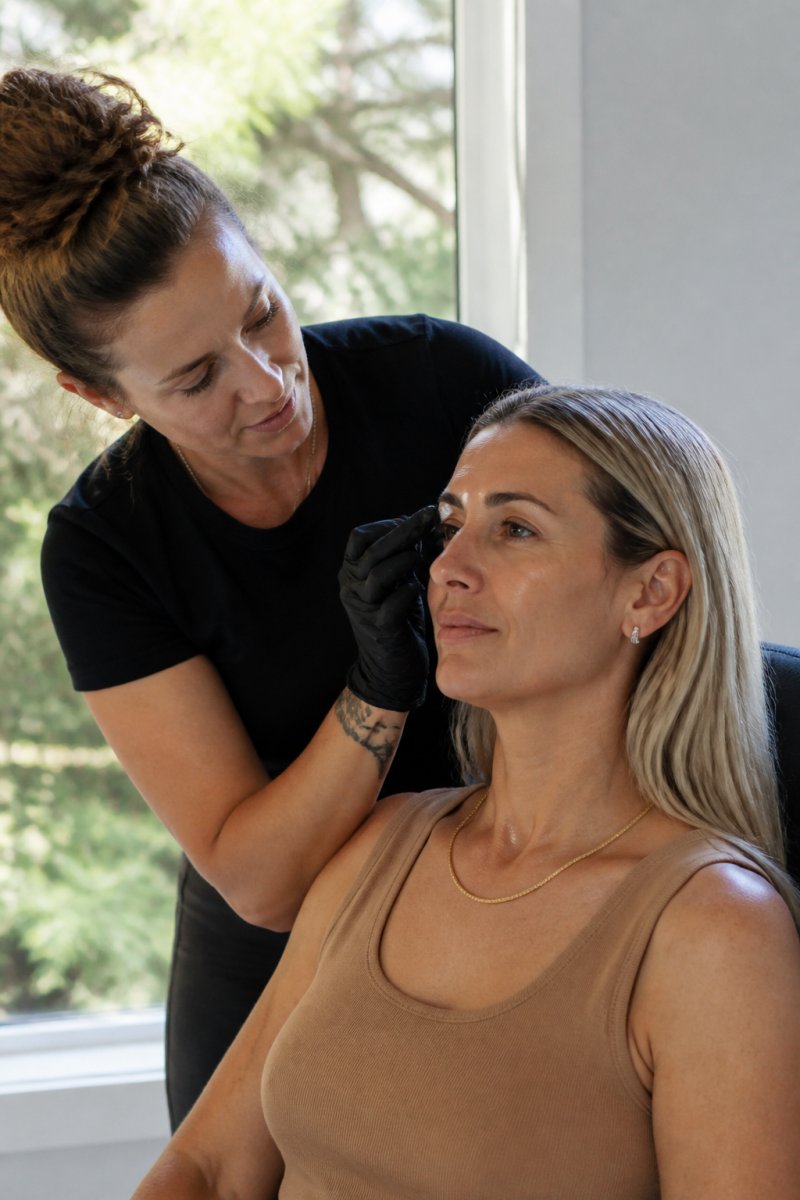
Avoid exfoliating products, chemical peels, retinol, vitamin C, and acids for at least four weeks post-treatment. Sleep on a clean pillowcase and resist touching the area, which disrupts healing and causes pigment displacement.
Long-term retention depends on consistent sun protection and strategic touch-ups. Most clients benefit from a refresh every 12-18 months to maintain saturation and address any subtle shifts. At Tonni Petty PMU Artistry, we personalize touch-up schedules based on your lifestyle, skin type, and how your specific pigment responds to your environment. Whether you're maintaining Microblading Brows, Powder Brows, Combo Brows, or Lip Blushing, our approach ensures your color stays true to your original design.
Color shift in permanent makeup isn't inevitable, it's preventable with the right approach. If you've experienced unwanted color changes from previous work or want to protect your investment, a consultation with an experienced technician can identify your specific risk factors. Tonni Petty PMU Artistry specializes in corrective techniques and personalized aftercare plans that keep your permanent makeup looking fresh for years. Book an appointment today to discuss how we can help you maintain your results.
Frequently Asked Questions
Why does permanent makeup turn red or gray over time?
Color shift happens when pigment oxidizes or migrates within the dermal layer. Iron oxide pigments, commonly used in permanent makeup, can shift toward red or orange tones as they break down under UV exposure and cellular turnover. Gray tones often result from pigment density loss and the natural fading process. Pigment quality, skin pH, and sun protection all influence how dramatically this shift occurs. Lower-quality pigments oxidize faster, while consistent broad-spectrum SPF use slows the process significantly.
How can I prevent my microblading from changing color?
Prevent color shift by protecting treated areas from sun exposure with broad-spectrum SPF 30+, avoiding chemical peels and retinol products near the brows, and staying hydrated to maintain skin barrier health. During the healing phase, follow strict aftercare guidelines: keep the area clean and dry, avoid swimming and saunas, and don't pick at scabs. Once healed, use gentle cleansers and moisturizers. Schedule touch-ups every 12-18 months to refresh pigment before significant fading occurs. Working with a certified technician who uses high-quality, stable pigments makes the biggest difference.
Does sun exposure cause permanent makeup to change color?
Yes. UV rays accelerate pigment oxidation and degradation, causing color to fade faster and shift toward unwanted tones. UV degradation breaks down the chemical bonds in iron oxide pigments, leading to saturation loss and tone changes. This is why daily broad-spectrum sunscreen application (SPF 30 minimum) is essential for protecting permanent makeup. Even incidental sun exposure adds up over time. Clients who consistently use sunscreen maintain color integrity significantly longer than those who don't, making UV protection one of the most effective preventative measures available.