
 ultimate-guide
Permanent Makeup Touch Up Pricing: What to Expect
Table of Contents
- Why Permanent Makeup Touch Up Pricing Differs from Your First Session
- Permanent Makeup Touch Up Pricing: A Quick Comparison
- The Correction vs. Refresh Price Gap
- What Factors Influence Permanent Makeup Touch Up Pricing?
- Microblading Touch Up Cost vs. Other PMU Procedures
- Understanding Your Permanent Makeup Maintenance Schedule
- How to Identify Scalp Micropigmentation Fading and When to Book
- Hidden Costs of Touch-ups: What's Included and What's Not
- Frequently Asked Questions
Last Updated: September 6, 2026
Why Permanent Makeup Touch Up Pricing Differs from Your First Session
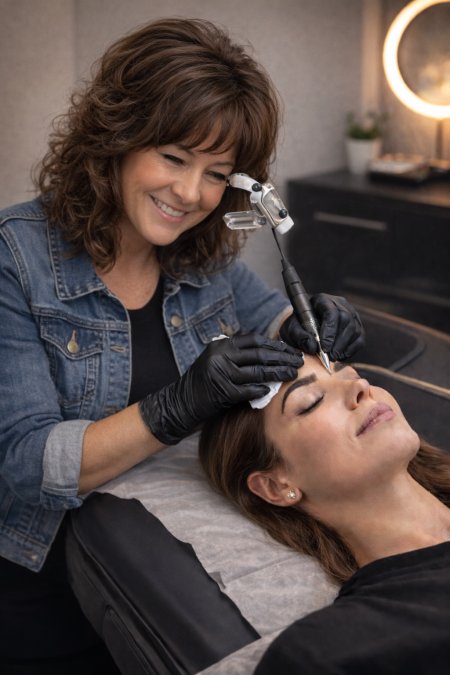
The biggest surprise for most clients is that permanent makeup touch up pricing rarely matches what they paid for the initial session. Your first appointment covers the full procedure: consultation, brow mapping, the initial pigment application, and a mandatory healing follow-up. A touch-up is a separate service with its own logic.
At Tonni Petty PMU Artistry, we see clients regularly who assume a touch-up is simply a discounted repeat of their first visit. It is not. The initial session establishes the foundation and places the pigment, while a touch-up refines what has settled after the healing process. Because the goals differ, the time, skill, and product involved differ too.
The single most important factor is timing. The healing process for cosmetic tattooing takes several weeks, and pigment retention varies by skin type and procedure. A touch-up booked too early cannot correct fading that has not yet occurred, and one booked too late may require more extensive work.
Permanent Makeup Touch Up Pricing: A Quick Comparison
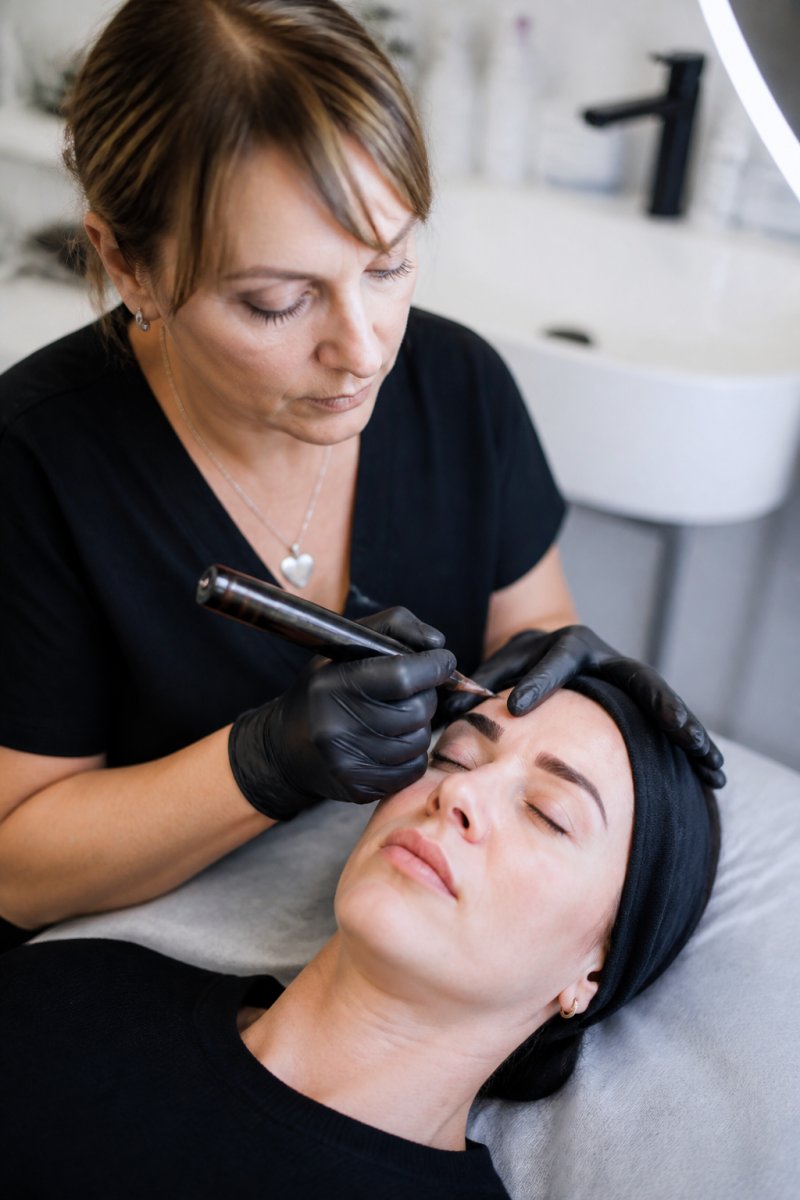
Touch-up sessions generally fall into two categories: the short-term refinement and the long-term maintenance visit. The short-term refinement happens weeks after the initial session to perfect shape and saturation. The long-term maintenance visit happens months or years later to restore faded pigment.
Session Type | Best Timing | Primary Goal | Typical Cost Relationship |
|---|---|---|---|
Initial Session | First visit | Full pigment application | Baseline fee |
6-Week Touch-Up | 4-8 weeks post-initial | Correct patchy healing, refine shape | Fraction of initial fee |
Annual Refresh | 12-18 months | Restore faded color, maintain definition | Lower than 6-week correction |
Full Correction | Varies | Fix poor prior work | Often equals new session |
The distinction matters because a routine refresh requires less pigment and less procedure complexity than correcting uneven or improperly healed work. Many providers factor this into their touch up pricing structure so clients are not paying for a full session when only a color boost is needed.
The Correction vs. Refresh Price Gap
A refresh and a correction are not the same service, and the price gap between them can be substantial. A refresh assumes your previous permanent makeup healed well and simply needs a color boost or slight shape adjustment. A correction assumes the opposite: pigment that faded unevenly, migrated, or turned an undesirable color.
Correction work is inherently more complex. The artist must first assess what went wrong, sometimes lighten unwanted pigment, and then re-establish a proper foundation before applying new pigment. That process demands more time, more product, and a higher skill level than a standard refresh. Consequently, permanent makeup touch up pricing for correction work often approaches the cost of a new initial session.
This is why choosing an experienced artist matters from the start. Quality pigment retention reduces the likelihood you will need correction work later. A well-executed initial session fades gracefully and predictably, keeping future touch-ups in the refresh category rather than the correction category.
What Factors Influence Permanent Makeup Touch Up Pricing?
Several variables determine what you will pay for a touch-up, extending beyond simple artist preference. Understanding these factors helps you evaluate quotes and avoid surprises.
Artist Experience and Studio Location
An artist with decades of experience commands higher fees, and for good reason. Their work fades more predictably, their pigment placement is more precise, and they are better equipped to handle complications. Studio location also plays a role, as overhead costs vary significantly between metropolitan and suburban markets.
Procedure Complexity and Pigment Retention
Not all touch-ups are created equal. A simple powder brow refresh is less involved than correcting a faded eyeliner tattoo or addressing uneven lip blush. Your skin type directly affects pigment retention, meaning some clients naturally need more frequent or more intensive touch-ups than others.
Microblading Touch Up Cost vs. Other PMU Procedures
Microblading touch up cost is often quoted separately from other permanent makeup procedures because the technique differs. Microblading creates fine, hair-like strokes using a manual tool, while powder brows and lip blush use a machine for a softer, shaded effect. Each requires different equipment, skill, and aftercare.
As a general rule, microblading touch up cost tends to run lower than a full correction but higher than a simple color boost, reflecting the precision required to match existing strokes. Machine-based procedures like powder brows often have more predictable pigment retention, which can reduce the frequency of touch-ups over time.
According to the American Academy of Micropigmentation's guidance on procedure standards, choosing a certified specialist is critical for consistent results and safe practice across all permanent makeup procedures.
Understanding Your Permanent Makeup Maintenance Schedule
A permanent makeup maintenance schedule is not a single appointment; it is a long-term financial plan. Most procedures follow a predictable pattern: an initial session, a 6-week touch-up to address healing, and then annual maintenance to manage natural fading.
To see why this schedule matters, consider the long-term cost of ownership for a typical permanent makeup procedure. Skipping annual refreshes for too long can lead to work being reclassified as a correction, which many studios price near the cost of a new initial session. The disciplined schedule keeps your appearance consistent the entire time.
The math shifts even more favorably when you factor in the 'correction premium.' Corrective work requires the artist to assess pigment migration, uneven fading, or color shifts before re-establishing a foundation. That assessment is billable time. A routine refresh, by contrast, is a straightforward color boost most artists can complete in under an hour.
Clients who skip maintenance often wait until the pigment has faded to a point where they are unhappy with their appearance. At that stage, the work requires more than a simple refresh, it requires rebuilding the original shape and density. Treat your annual refresh as a non-negotiable expense, like a dental cleaning or a haircut, and you will never face the surprise of a correction-level quote.
If you are considering permanent makeup primarily for its time-saving benefits, the maintenance schedule is part of that value proposition. The annual refresh appointment typically takes 60 to 90 minutes, a small investment compared to the daily time saved on brow makeup, eyeliner, or lip color.
How to Identify Scalp Micropigmentation Fading and When to Book
Knowing how to identify scalp micropigmentation fading is essential for timing your touch-up correctly. Unlike brow pigment, scalp pigment is deposited into the upper dermis and fades differently based on sun exposure, skin cell turnover, and the depth of the original application. Scalp micropigmentation (SMP) is unique because the pigment is placed in the papillary dermis at a shallower depth than most facial work, making it more susceptible to UV degradation and cellular turnover.
Early signs of scalp micropigmentation fading include a softening of the hairline edge, a slight loss of density in shaded areas, or a subtle change in tone where the pigment meets untreated skin. You might notice the simulated hair follicles becoming less distinct, particularly after sun exposure. When you observe these changes, it is generally time to book a refresh session.
However, not all fading is equal. There is a meaningful difference between natural, gradual fading and premature pigment loss. Natural fading over 12 to 18 months is expected and is simply the pigment breaking down at the cellular level. Premature fading, visible within 3 to 6 months, often indicates a different problem. Common causes include:
- Sun exposure without protection: UV rays accelerate pigment breakdown. SMP on the scalp is particularly vulnerable because the area is often exposed to direct sunlight. A broad-spectrum SPF 30 or higher is recommended daily, especially in the first year.
- Improper aftercare: Picking at scabs, excessive sweating, or soaking the area in water during the healing phase can pull pigment out before it settles.
- Shampoo and hair products: Sulfate-based shampoos and products containing exfoliating acids can strip pigment over time. Switching to a gentle, sulfate-free formula extends the life of the work.
- Skin type: Oily skin tends to push pigment out faster than dry or normal skin, sometimes requiring touch-ups at 9 to 12 months instead of 18.
Many clients wait until the fading is obvious, but earlier intervention produces better results. A refresh performed at the first signs of fading requires less pigment and less work than restoring a scalp that has faded significantly. Photograph your scalp in consistent lighting every three months; if you see a measurable difference in density or edge sharpness between two consecutive photos, it is time to schedule a consultation.
For clients considering SMP as a hair loss solution, the maintenance schedule is part of the overall cost calculation. For clients considering SMP as a hair loss solution, the maintenance schedule is part of the overall cost calculation. Annual refreshes are an additional investment over time.
Finally, if you are seeking SMP correction work from another artist's faded or poorly executed procedure, expect a different pricing structure. Correcting SMP requires the artist to first evaluate the existing pigment depth and color, sometimes perform a test spot to assess how the skin will respond, and then blend new pigment into the old. This process is more time-intensive than a standard refresh and is often quoted at 50% to 75% of the original session cost. As documented in the Society of Permanent Cosmetic Professionals' resource library, correction of prior work is a distinct service category with its own standards and expectations.
Hidden Costs of Touch-ups: What's Included and What's Not
The quoted fee for a touch-up does not always cover everything. Before booking, clarify what the price includes and what it does not. A common hidden cost is the consultation fee, which some studios apply toward the procedure only if you proceed. Others charge separately for numbing agents, aftercare products, or a second follow-up visit.
Another consideration is tax and gratuity. Service pricing rarely includes gratuity, and depending on your state, sales tax may apply to cosmetic services. Ask upfront whether the quoted touch up pricing is inclusive or whether additional fees will be added at checkout.
Finally, if you are seeking correction work for permanent makeup performed by another artist, expect the price to reflect the additional assessment and preparation required. As documented in the Society of Permanent Cosmetic Professionals' resource library, correction of prior work is a distinct service category with its own standards and expectations.
Permanent makeup is a semi-permanent investment in your daily routine. Understanding the difference between a routine refresh and corrective work, and planning your permanent makeup maintenance schedule accordingly, protects both your appearance and your budget. For personalized guidance, the team at Tonni Petty PMU Artistry brings over 22 years of experience and master-level certification to every consultation. Book an appointment to discuss your touch-up needs and receive a clear, honest estimate.
Frequently Asked Questions
Why is there a price difference between initial sessions and touch ups?
The initial session covers the full procedure: consultation, brow mapping or lip design, numbing, the first pigment application, and a mandatory follow-up visit roughly 6-8 weeks later. A touch-up is a focused session that addresses pigment retention and perfects details after the skin has healed. Because the design and mapping are already done, the artist spends less time on prep and more on refining the result, which changes how the session is priced.
How often should you get a permanent makeup touch up?
Most permanent makeup maintenance schedules recommend one touch-up 6-8 weeks after the initial session to perfect pigment saturation. After that, an annual color boost or refresh session helps maintain the vibrancy of your brows, lips, or eyeliner. Skin type, sun exposure, and lifestyle affect fade rates, so some clients need a touch-up every 12-18 months while others can stretch to two years.
Does the cost of a touch up depend on how much the pigment has faded?
Yes. A routine color boost on well-retained pigment is a faster session and costs less than a correction on heavily faded or patchy work. If pigment has shifted to an unwanted tone, like an orange or gray cast, the artist must perform corrective work first. That requires more time, skill, and sometimes multiple sessions, which is reflected in the permanent makeup touch up pricing.