
 ultimate-guide
Lip Blushing for Dark Lips: What to Expect in 2026
Table of Contents
- Why Lip Blushing for Dark Lips Needs a Different Approach
- The Dark Lip Neutralization Process, Step by Step
- How Long Does Lip Blushing Last on Dark Lips?
- Lip Blushing Aftercare for Dark Lips: The First Two Weeks
- How Many Sessions Does Dark Lip Neutralization Take?
- Who Should Not Get Lip Blushing: Contraindications and Risks
- Long-Term Maintenance and Touch-Up Frequency
- Frequently Asked Questions
Last Updated: September 17, 2026
Why Lip Blushing for Dark Lips Needs a Different Approach
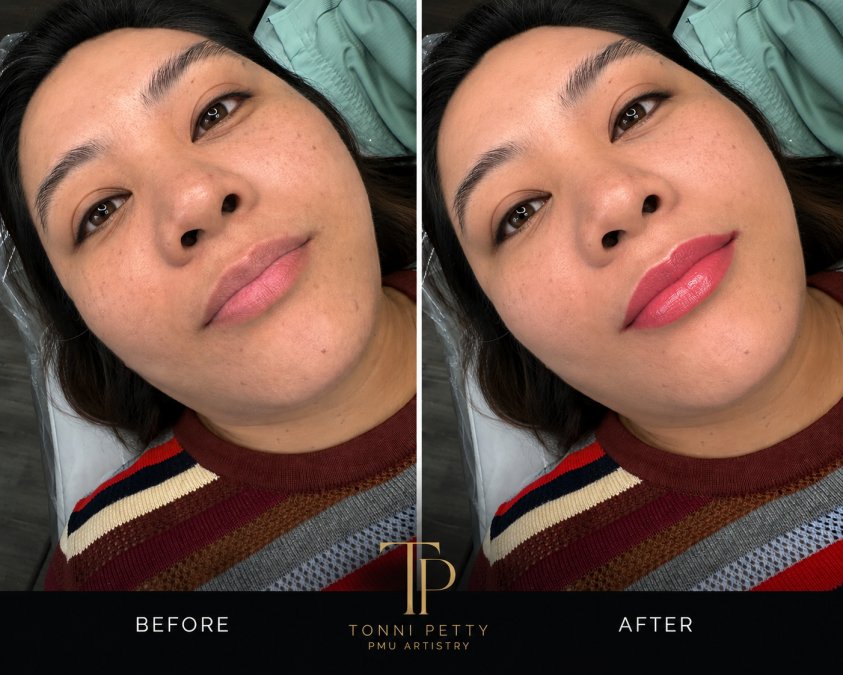
Lip blushing for dark lips is not simply a color deposit; it is a corrective process that requires neutralizing unwanted undertones before adding warmth and definition. At Tonni Petty PMU Artistry, we approach every melanin-rich lip with a specific plan rather than a standard pigment mix. Most clients with deeper skin tones need a modified technique because the starting canvas presents unique challenges that lighter lips do not.
The Role of Melanin and Undertones
Melanin absorbs light differently in lip tissue than in skin. On the Fitzpatrick scale, higher skin types tend to have more active melanocytes, which means the lips can appear darker and cooler. A common mistake is choosing a pigment based on the final color the client wants, not the color needed to correct the base. In practice, this means a soft pink or coral shade applied over a cool-toned lip may heal to a grayish tone instead of the intended warmth.
How This Differs From Standard Lip Blush
Standard lip blush focuses on adding saturation and shape to already-pink lips. Dark lip neutralization adds a corrective layer first. The neutralizing tones, often warm-based pigments with orange or gold bases, cancel out the blue and purple. Only after the base is balanced can the artist layer the final color. This two-step approach takes longer and usually requires more than one session, but it is the only reliable way to achieve a clean, natural result on deeper lips.
The Dark Lip Neutralization Process, Step by Step
A successful dark lip neutralization process follows a deliberate sequence: consultation, patch test, neutralization, and color deposit. Rushing any stage leads to pigment migration or poor retention. Here is how a typical appointment flows.
Color Theory and Pigment Selection
Color theory drives every decision. Cool-toned lips require warm-based pigments to neutralize the undertone. An orange base cancels blue; a gold base corrects purple. Once the lip is neutralized, the artist selects the final shade, whether that is a soft pink, a coral, or a deeper berry. Patch tests are standard practice to confirm how the skin responds before committing to the full procedure.
What Happens During the Session
The tattooing procedure begins with numbing cream, followed by mapping the lip shape for symmetry. The artist then works in small sections, depositing the neutralizing pigment first. The session typically takes two to three hours. You should expect some swelling and tenderness immediately after, but most clients return to normal activities the next day.
How Long Does Lip Blushing Last on Dark Lips?
How long does lip blushing last on dark lips? Results typically last two to three years, with touch-up sessions recommended every 12 to 18 months to maintain saturation. Melanin-rich skin can hold pigment well, but the neutralization layer may fade faster than the final color because it sits closer to the surface. This is why maintenance matters more for dark lips than for lighter ones.
Lip Blushing Aftercare for Dark Lips: The First Two Weeks
Aftercare is the single biggest variable in how evenly pigment heals on melanin-rich lips. The first two weeks decide whether the neutralization layer holds or fades in patches, and most guides skip the day-by-day reality. Here is what actually happens, stage by stage, plus the melanin-specific risks that lighter-lip guides ignore.
Day-by-Day Healing Timeline
- Day 1: Lips are swollen, tender, and the color looks 30 to 50 percent darker and more saturated than the final result. Blot lymph fluid gently with a clean tissue. No makeup, no lip products except what your artist provides.
- Days 2-3: Swelling peaks and begins to subside. A thin, clear-to-yellow lymph film may form. Keep lips dry except for a rice-grain amount of ointment. Avoid spicy, salty, acidic, and hot foods.
- Days 4-5: Lips feel tight and start to look matte. This is when the first micro-flaking begins. Do not exfoliate, scrub, or use lip masks.
- Days 6-8: Visible peeling and flaking. Color underneath may look patchy, uneven, or too light. This is normal and not a failed result.
- Days 9-11: Most flaking is complete. The color looks softer and slightly muted. Some clients see a "disappearing" phase here.
- Days 12-14: The surface is healed. True color begins to emerge, but full settling takes until week four to six.
Melanin-Specific Healing Risks
On Fitzpatrick IV-VI lips, two complications are more common than on lighter lips:
- Post-inflammatory hyperpigmentation (PIH): Trauma to melanin-rich tissue can trigger darker patches. Picking, scratching, or aggressive exfoliation during peeling is the most common cause. If you have a history of PIH anywhere on your body, tell your artist before the procedure.
- Uneven neutralization fade: The corrective layer sits closer to the surface than the final color, so it can fade faster and more unevenly. This is why the 4-6 week perfecting session matters more for dark lips than for standard lip blush.
What Is Normal vs. What Needs a Call
Normal: swelling, tenderness, lymph, tightness, flaking, patchy color, and a muted phase around week two.
Aftercare Products and Habits That Protect Retention
- Use only the ointment your artist recommends. Petroleum-based balms are common; avoid anything with exfoliating acids, retinol, or fragrance.
- No swimming pools, saunas, steam rooms, or long hot showers for 14 days.
- No direct sun on the lips. Once healed, daily SPF lip balm is the cheapest way to extend your result.
- Avoid smoking and vaping during healing; both reduce blood flow and slow recovery.
- Do not schedule dental work, facials, or chemical peels within two weeks of the procedure.
How Many Sessions Does Dark Lip Neutralization Take?
Most clients need two to three sessions for full dark lip neutralization, and some very dark or heavily cool-toned lips need four. The number is not arbitrary. It is driven by how much pigment the tissue can absorb per session without trauma, and by how much of the neutralization layer survives the healing process.
Why One Session Is Almost Never Enough
Lip tissue is not skin. It is mucosal tissue with a thinner epidermis and a different healing response. When an artist tries to fully neutralize a dark lip in one sitting, three things happen:
- Over-trauma: Repeated passes cause swelling, which makes it impossible to see the true color and increases the risk of scarring and PIH.
- Poor retention: Inflamed tissue rejects pigment. You pay for a session and heal out 40 to 60 percent of it.
- Unpredictable color: The neutralization layer and the final color compete. Without a healing gap, the artist cannot see what actually settled.
What Each Session Actually Does
| Session | Timing | Primary Goal | Typical Outcome |
|---|---|---|---|
| Session 1 | Day 0 | Neutralize cool/blue/purple undertone | Lip looks warmer but not yet the target color |
| Session 2 | 4-6 weeks later | Deposit final color and refine shape | 70-85% of the target result |
| Session 3 | 4-6 weeks after session 2 | Correct any remaining cool patches, balance tone | Final healed result |
| Session 4 (if needed) | Case by case | Very dark or stubborn undertones | Full correction |
The Honest Cost-Benefit Picture
Pricing for lip blushing and dark lip neutralization depends on the specific treatment plan, which includes the number of sessions required and any touch-ups. These services often require more time and specialized skill. For detailed pricing information, please refer to Tonni Petty PMU Artistry's website or book a consultation.
How to Budget Without Getting Burned
- Ask for the full treatment plan in writing before you book: number of sessions, price per session, and the recommended touch-up interval.
- Ask whether the perfecting session is included or billed separately. Many artists bundle it; many do not.
- Ask what happens if you need a fourth session. Some artists charge full price; some offer a reduced correction rate.
- Plan for the maintenance cycle from day one. A touch-up every 12 to 18 months is the norm, not an upsell.
Who Should Not Get Lip Blushing: Contraindications and Risks
Lip blushing is not appropriate for everyone. Certain medical conditions and medications make the procedure unsafe or unpredictable. Common contraindications include active cold sores, pregnancy, autoimmune disorders, and blood-thinning medications. A history of post-inflammatory hyperpigmentation is another consideration; it does not always disqualify you, but it requires a cautious approach and a patch test.
Long-Term Maintenance and Touch-Up Frequency
Long-term maintenance is where many clients are surprised. A lip tattoo, even a semi-permanent one, is not a one-and-done investment. Touch-up sessions every 12 to 18 months keep the color fresh and prevent the neutralization layer from breaking down unevenly.
| Stage | Timing | What to Expect |
|---|---|---|
| Initial session | Day 0 | Neutralization and first color deposit |
| Perfecting session | 4-6 weeks later | Final color and shape refinement |
| First touch-up | 12-18 months | Color refresh and retention check |
| Ongoing maintenance | Every 12-18 months | Maintain saturation and tone |
Frequently Asked Questions
How to neutralize dark lips?
Dark lip neutralization uses warm-based pigments, such as orange or coral shades, to counteract cool undertones like purple or blue. A trained PMU artist selects the right neutralizing tone based on your Fitzpatrick scale reading and lip color. The pigment is tattooed into the lip tissue to create a more even, natural base. Most clients need two to three sessions to reach their target color. A patch test before the first session helps confirm pigment compatibility.
What is the difference between lip blushing and dark lip neutralization?
Lip blushing adds color and definition to lips that already have a relatively even tone. Dark lip neutralization is a correction process designed specifically for melanin-rich skin or lips with hyperpigmentation. It uses color theory to cancel out cool or dark undertones before building the final color. The dark lip neutralization process typically requires more sessions and a longer healing timeline than standard lip blushing because the artist works in layers to avoid over-saturation.
How long does lip blushing last on dark lips?
Results from lip blushing for dark lips typically last two to three years, though this varies with skin type, lifestyle, and aftercare. Melanin-rich skin can hold pigment differently, and some clients see faster fading in the first six months. Touch-up sessions every 12 to 18 months help maintain even color. Sun exposure, smoking, and certain medications can shorten longevity. Your artist can assess pigment retention at each follow-up and adjust the plan.
Why are my lips still dark after lip blushing?
It is normal for lips to appear darker or uneven immediately after lip blushing. The lip tissue is healing, and pigment may sit under a layer of dry skin before it settles. Full results take four to six weeks to show. If darkness persists after the healing timeline, it may mean the neutralizing tone needs adjustment in a follow-up session. Post-inflammatory hyperpigmentation can also occur, especially on melanin-rich skin. A touch-up session lets your artist correct the tone.