 listicle
Permanent Makeup Correction Cost 2026
Table of Contents
- What Permanent Makeup Correction Actually Costs
- Factors Affecting PMU Correction Price
- How Many Sessions for PMU Correction
- Is Emergency PMU Removal Effective
- Hidden Costs and Total Investment
- Financing Options for Permanent Makeup Correction
- Red Flags for Low-Cost Correction Services
- Frequently Asked Questions
Last Updated: September 24, 2026
What Permanent Makeup Correction Actually Costs
Permanent makeup correction isn't a single procedure with a fixed price tag. The cost of correcting unwanted or poorly applied permanent makeup depends on what went wrong, how extensive the damage is, and which technique your artist uses to fix it. At Tonni Petty PMU Artistry, we've helped clients navigate these costs by breaking down what correction actually involves, and why it often costs more than the original application.
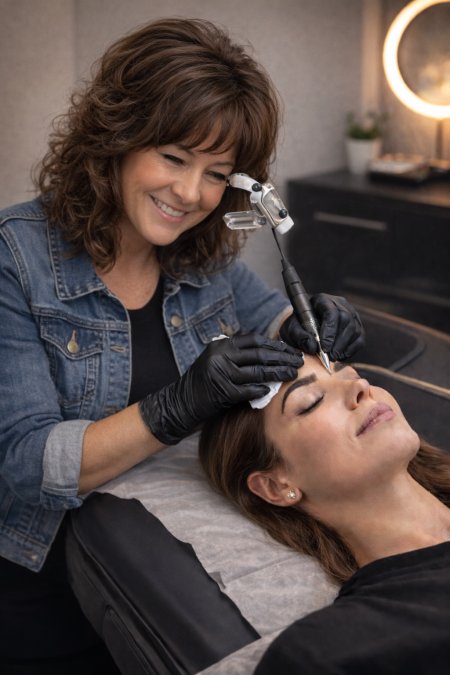
Correction work ranges significantly based on complexity. A simple color adjustment on brows that faded unevenly costs less than a full removal and reapplication. The real permanent makeup correction cost depends on whether you're lightening existing pigment, covering it with a new shade, or removing it entirely.
Most correction artists charge more than standard application artists because the work is technically harder. The skill required is significantly higher, which justifies the premium pricing.
Factors Affecting PMU Correction Price
Several variables shift the cost of permanent makeup correction. Understanding them helps you anticipate what you'll actually pay.
Pigment depth and color. Darker pigments and those implanted deeper cost more to correct. Black or very dark brown brows require more aggressive lightening or removal techniques. Orange or red-toned pigments (the most common complaint) need specialized color-correction approaches that take longer and demand more expertise.
The original technique used. If your first PMU was done with microblading, powder brows, or combo brows, correction approaches differ. Microblading creates fine hair strokes that are easier to cover with a new technique. Powder brows create a solid filled appearance that requires either lightening or complete removal before reapplication. Combo brows (mixing both techniques) present the most complex correction scenarios.
Size of the area needing correction. Correcting one eyebrow costs less than correcting both.
Removal versus cover-up. A cover-up, where the artist applies new pigment over existing color to neutralize or change it, typically costs less than removal. Removal techniques take longer, require multiple sessions, and demand specialized equipment. Cover-ups are faster but require an artist skilled in color theory and pigment matching.
Artist experience and location. Master-level technicians command higher correction fees than newer artists. Geographic location matters too.
How Many Sessions for PMU Correction
Most permanent makeup corrections require multiple sessions, and understanding the timeline helps you budget both time and money.
A single correction session rarely fixes everything. If you're doing a cover-up with a new pigment shade, you typically need two sessions: an initial application and a touch-up 4-6 weeks later to assess how the new pigment settled and make adjustments. Some clients need a third session if the correction didn't fully address the original problem.
Removal-based corrections take longer. Removal usually requires 3-5 sessions spaced 6-8 weeks apart. Each session lightens the pigment gradually to avoid damaging the skin. After removal is complete, you then need 1-2 sessions to apply the new permanent makeup, so a full removal-and-reapplication correction can span 4-7 sessions over 6-12 months.
The healing process between sessions matters. Your skin needs 4-6 weeks to fully heal after each PMU session before the next procedure. Rushing sessions risks poor pigment retention and infection. That's why correction timelines stretch longer than people expect.
Is Emergency PMU Removal Effective
When permanent makeup goes wrong, wrong color, wrong shape, allergic reaction, clients often ask if emergency removal is an option. The answer is nuanced.
Saline extraction (the most common emergency removal method) works by injecting a saline solution into the tattooed area, which draws the pigment out as it heals. It's effective for lightening pigment but rarely removes it completely in one session. Most clients see 40-60% pigment lightening per session, which is why multiple sessions are needed. Saline extraction is less aggressive than laser removal, making it safer for sensitive skin, but it requires patience and multiple appointments.
Laser removal targets the pigment particles directly and breaks them down. It's faster than saline extraction, typically 3-4 sessions versus 5-7, but it's more expensive and carries a higher risk of scarring, especially on delicate facial skin. Laser works better on darker pigments and is less effective on certain colors like red or orange.
Glycolic acid peels are gentler but slower. They work by exfoliating the skin layers where pigment sits. Multiple sessions over several months gradually lighten the pigment. This approach is best for minor corrections or light pigment.
The effectiveness of emergency PMU removal depends on how much pigment you need removed and how deep it was implanted. A poorly applied brow with shallow pigment responds well to saline extraction. Deeply implanted pigment requires more aggressive removal or multiple sessions.
What's important to understand: there's no truly "emergency" removal that works instantly. Even the fastest methods take weeks to show results as the skin heals and pigment is expelled. If you're experiencing an allergic reaction or infection, that's a medical emergency requiring dermatology care, not a cosmetic removal procedure.
Hidden Costs and Total Investment
The permanent makeup correction cost extends beyond the artist's fee. Several hidden expenses add up when you budget for correction work.
Aftercare products. Quality healing balms, gentle cleansers, and specialized aftercare products cost $30-$80 per correction session. Skimping on aftercare increases infection risk and pigment rejection, which means paying for another correction session. Good aftercare is an investment, not an expense.
Time off work. Depending on the correction technique, you may need 3-7 days of downtime. Swelling, scabbing, and redness make it difficult to work in client-facing roles. Factor in lost income or vacation days as part of your total correction cost.
Potential touch-ups beyond the initial correction plan. Sometimes a correction doesn't fully address the problem. You might need an additional session to perfect the shape or adjust the color further. Budget 10-15% extra for these unexpected refinements.
Travel costs if seeking a specialist. If your local artists can't handle your specific correction (like removing orange pigment or correcting severe asymmetry), traveling to a master technician who specializes in that work adds hotel, travel, and time costs.
Removal costs if the correction fails. In rare cases, a correction doesn't work and you need removal before trying again. That's an additional $300-$600+ depending on the removal method.
The total permanent makeup correction cost often runs higher than the cost of an initial application because of the added complexity, artist expertise required, and multiple sessions needed.
| Cost Component | Typical Range | Notes |
|---|---|---|
| Correction procedure (1-3 sessions) | $400-$900 | Varies by technique and complexity |
| Aftercare products | $30-$80 per session | Essential for proper healing |
| Time off work | $0-$500+ | Depends on your income and downtime needed |
| Travel (if applicable) | $200-$800 | Only if seeking specialist out of area |
| Potential additional touch-ups | $150-$400 | Budget for refinements |
| Removal (if correction fails) | $300-$600 | Worst-case scenario |
| Total Range | $880-$3,280+ | Full correction investment |
Financing Options for Permanent Makeup Correction
Because permanent makeup correction costs add up quickly, several financing approaches make the investment manageable.
Payment plans through your artist. Many PMU studios offer payment plans that break the total cost into 2-4 installments over 3-6 months. This spreads the financial burden without interest, though not all artists offer this option. Ask directly, many are willing to work with clients on payment timing.
Healthcare credit cards. CareCredit and similar medical credit cards are accepted by many cosmetic tattoo studios. These cards offer promotional financing (often 0% APR for 6-12 months if paid in full within that period). Interest rates are high if you don't pay within the promotional window, so only use this if you're confident you can pay off the balance quickly.
Personal loans from banks or credit unions. A small personal loan ($1,000-$3,000) typically carries lower interest rates than credit cards. If you have a good credit score, this is often cheaper than medical credit cards, especially if you need longer repayment terms.
Flexible spending accounts (FSA) or health savings accounts (HSA). Some employers allow cosmetic procedures under FSA/HSA plans if they're deemed medically necessary, for example, correcting pigment that caused an allergic reaction or scar camouflage work. Check with your plan administrator to see if your correction qualifies.
Saving and booking gradually. The slowest but most cost-effective approach: save for each session separately and space appointments 6-8 weeks apart anyway (which is medically necessary for proper healing).
Red Flags for Low-Cost Correction Services
When permanent makeup correction pricing seems too good to be true, it usually is. Certain warning signs indicate you're about to make an expensive mistake that costs more to fix.
Frequently Asked Questions
How much does it typically cost to fix bad permanent makeup?
Permanent makeup correction costs vary widely depending on the service type, extent of correction needed, and artist expertise. Correction work typically costs more than initial application because it requires removing or covering unwanted pigment while achieving a refined result. Request a consultation to receive a personalized quote based on your specific correction needs.
Is permanent makeup correction more expensive than the initial procedure?
Yes, correction generally costs more than initial application. Corrective work requires additional skill, specialized techniques like color correction or pigment lightening, and often multiple sessions. The artist must assess existing pigment, determine the best removal or coverage approach, and execute precise adjustments. Advanced PMU professionals charge premium rates for correction work because it demands greater technical expertise and carries higher complexity than standard application.
How many sessions are typically required for permanent makeup correction?
Most permanent makeup corrections require multiple sessions. The number depends on pigment depth, color shift severity, and the correction method used. Initial consultations help assess whether removal, color correction, or re-pigmentation is needed. Your technician will outline a realistic timeline during your consultation. Your technician will outline a realistic timeline during your consultation.
What factors influence the price of permanent makeup correction?
Key pricing factors include pigment removal method, service type (brows, lips, eyeliner), skin type and pigment retention, artist certification and experience, and geographic location. Corrections involving color theory adjustments, scar camouflage, or extensive lightening cost more. Technician expertise matters significantly, master-level artists with advanced training typically charge higher fees.