
 listicle
Is Microblading Worth the Cost? A 2026 Guide
Table of Contents
- The Real Cost of Microblading: What You'll Actually Spend
- Factors That Influence the Total Cost of Microblading
- How Long Does Microblading Last and What Maintenance Costs
- Microblading vs Powder Brows: Which Offers Better Value
- Finding a Qualified Microblading Artist: Why Expertise Matters to Your Investment
- Long-Term Skin Health and Hidden Costs to Consider
- Is Microblading Worth It? The Verdict
- Frequently Asked Questions
Last Updated: September 19, 2026
The Real Cost of Microblading: What You'll Actually Spend
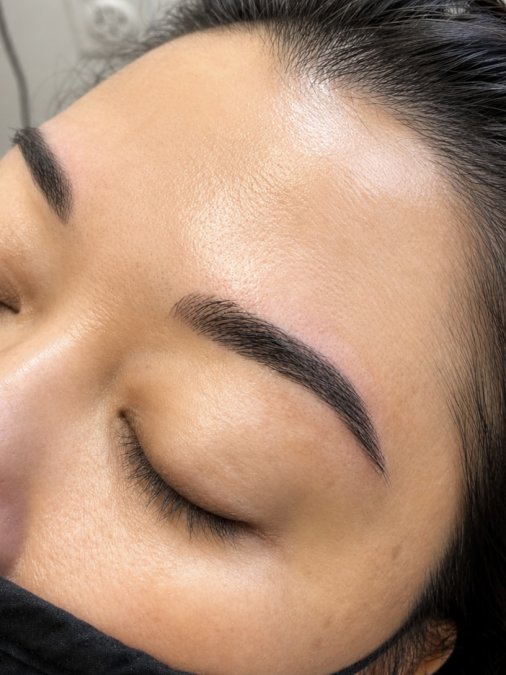
Microblading has become one of the most sought-after semi-permanent beauty treatments, but the decision to invest often comes down to a single question: is microblading worth the cost? Unlike traditional eyebrow makeup that requires daily application, microblading offers a multi-year solution through micro-pigmentation techniques that create natural-looking hair-like strokes. The initial investment varies significantly based on artist experience, geographic location, and the complexity of your brow mapping needs.
Understanding what you're actually paying for requires looking beyond the initial session price. The true cost of microblading includes not just the primary procedure, but touch-ups, maintenance, potential corrections, and the long-term impact on your skin health. At Tonni Petty PMU Artistry, we offer personalized consultations to help clients evaluate whether microblading aligns with their lifestyle and budget.
The initial microblading procedure typically requires a primary session where your artist designs and applies the pigment, and a follow-up touch-up to refine color retention and shape. This two-step process is essential because the skin's healing response affects how the pigment settles, and the touch-up allows your artist to adjust for any color fade or areas needing additional definition.
Factors That Influence the Total Cost of Microblading
Several variables determine what you'll pay for microblading, and understanding them helps you make an informed decision about the investment. Artist experience and certification level is the primary cost driver. A master technician with extensive training, professional certifications, and a strong portfolio commands higher fees than someone with minimal experience. This isn't just about vanity pricing, expertise directly affects the quality of results, the likelihood of color retention, and your risk of complications.
Your geographic location also significantly impacts pricing. Urban markets and areas with high demand for PMU services typically charge more than rural regions. Additionally, the complexity of your brow shape influences cost. If you need significant correction from previous microblading, have naturally sparse brows requiring extensive mapping, or possess challenging skin types, your artist may charge more for the additional time and skill required.
Pigment quality and the specific technique your artist uses affect pricing as well. Premium pigments from reputable manufacturers cost more but offer superior color stability and lower risk of unwanted color shifts. Different microblading approaches, traditional microblading versus powder brows versus combo brows, each carry different price points based on the technique's complexity and the time required.
The aftercare products recommended by your artist also factor into total spending. Quality healing serums, specialized cleansers, and sun protection products designed for freshly pigmented skin help ensure optimal results and may be included in your package or purchased separately.
How Long Does Microblading Last and What Maintenance Costs
Understanding microblading longevity is critical to evaluating its worth. Microblading results vary based on skin type, sun exposure, and lifestyle factors. People with oily skin typically see faster color fade than those with dry skin, since oil can push pigment out during the healing process. Sun exposure accelerates fading, making regular SPF use essential for maintaining your results.
Annual touch-ups become necessary to maintain color vibrancy and shape definition. These maintenance appointments are shorter and less intensive than the original procedure, but they represent ongoing costs that must be factored into your long-term budget.
Some clients experience faster color fade and require touch-ups more frequently than every twelve months. Factors like swimming, frequent sauna use, certain medications, and even your body's natural pigment metabolism affect how long results hold. Planning for annual maintenance when evaluating whether microblading is worth the cost ensures you're not surprised by unexpected expenses.
The healing process itself requires commitment. During the initial two-week healing period, you cannot exercise, swim, or expose your brows to direct sunlight. This downtime matters if your lifestyle is active or if you travel frequently. Additionally, proper aftercare directly impacts how well the pigment sets, so investing in recommended healing products isn't optional if you want optimal results.
Microblading vs Powder Brows: Which Offers Better Value
Comparing microblading to powder brows, another popular semi-permanent option, reveals important differences in longevity, maintenance, and total cost. Powder brows, also called ombré brows, use a stippling technique to create a softer, filled-in appearance rather than individual hair strokes. This technique typically lasts three to four years, longer than traditional microblading, which means fewer touch-ups over time.
The extended longevity of powder brows can make them a cost-effective option over time. Powder brows also tend to fade more gracefully, gradually becoming lighter rather than shifting color unexpectedly. For people with oily skin or active lifestyles, powder brows may provide better value because they're less prone to pigment migration.
However, powder brows create a different aesthetic. If you prefer the ultra-natural, hair-like appearance that microblading provides, powder brows won't deliver that look. The choice between techniques should factor in both cost and whether the final appearance matches your goals. Some clients choose combo brows, a hybrid approach combining microblading strokes with powder shading, to get the best of both techniques, though this increases the initial investment.
Tonni Petty PMU Artistry offers both microblading and powder brow techniques, allowing clients to choose based on their skin type, aesthetic preferences, and long-term budget. The personalized consultation helps determine which approach delivers the best value for your specific situation.
Finding a Qualified Microblading Artist: Why Expertise Matters to Your Investment
Your artist's qualifications directly impact whether microblading is worth the cost. An inexperienced technician can create asymmetrical brows, choose unflattering shapes, apply pigment incorrectly, or cause complications like infection or excessive scarring. These mistakes don't just affect your appearance, they can require costly corrections or removal procedures.
A qualified microblading artist should hold professional certifications from recognized organizations like the American Institute of Intradermal Cosmetics or the American Academy of Micropigmentation. These certifications require extensive training in pigment chemistry, skin anatomy, sterilization protocols, and bloodborne pathogen safety. Master-level technicians like those at Tonni Petty PMU Artistry have invested thousands of hours in training and maintain ongoing education to stay current with technique innovations.
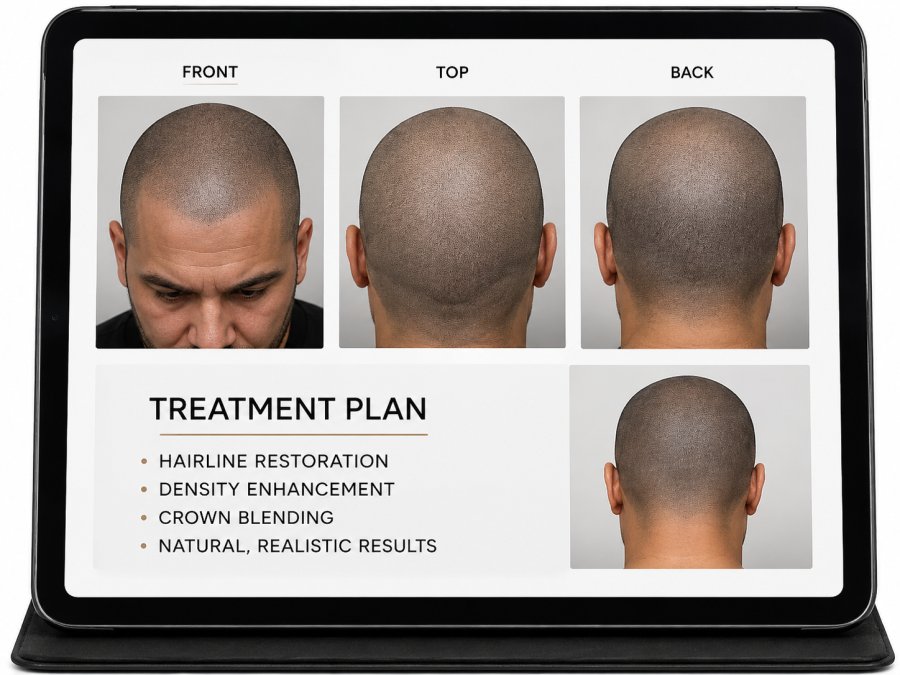
Before booking, review your artist's portfolio carefully.
Long-Term Skin Health and Hidden Costs to Consider
Beyond the obvious financial investment, microblading carries considerations for your skin's long-term health. The procedure creates controlled trauma to the dermal layer, and while this is intentional and generally safe when performed by qualified artists, it does carry risks that may result in hidden costs.
Is Microblading Worth It? The Verdict
Whether microblading worth the cost depends entirely on your lifestyle, budget, and aesthetic goals. For busy professionals who value time savings and consistent appearance, the investment often makes sense. If you spend significant time and money on eyebrow makeup daily, redirecting that spending toward a multi-year semi-permanent solution can be cost-effective.
Technique | Longevity | Initial Cost | Annual Touch-Ups | Best For |
|---|---|---|---|---|
Microblading | 2-3 years | Contact for pricing | Yes, recommended annually | Natural hair-like appearance |
Powder Brows | 3-4 years | Contact for pricing | Less frequent than microblading | Oily skin, longer-lasting results |
Combo Brows | 2.5-3.5 years | Contact for pricing | Yes, annually | Clients wanting hybrid benefits |
Frequently Asked Questions
What is the downside of microblading?
The main downsides include color fade and shift over time, potential for asymmetrical results if the artist lacks skill, healing discomfort and scabbing for 7-10 days, and the risk of allergic reactions or infections if proper sterile protocols aren't followed. Some clients experience brow regret due to unrealistic expectations or poor initial design. Correction or removal costs can exceed the original procedure price, and touch-ups are required every 12-18 months to maintain results.
How long does microblading actually last?
Microblading typically lasts 12-18 months before significant fading occurs, though retention varies based on skin type, sun exposure, and aftercare compliance. Oily skin tends to shed pigment faster than dry skin. Annual touch-ups are recommended to maintain color density and shape. Some pigment may remain faintly visible for 2-3 years after the final touch-up, but the semi-permanent nature means it will eventually fade completely without maintenance.
Why are people removing microblading?
Common reasons include color fade or shift to unwanted orange or red tones, dissatisfaction with the shape or symmetry, lifestyle changes that no longer suit the brow design, and desire to return to natural brows. Some clients experience allergic reactions to pigments or struggle with the healing process. Others regret the commitment to ongoing touch-ups or discover that the results don't match their expectations. Professional removal or lightening is available but adds to the total cost of the initial investment.
Should a 60-year-old get microblading?
Age alone isn't a barrier, but skin condition matters. Mature skin may have different healing responses and pigment retention rates. A thorough consultation with a qualified artist experienced in aging skin is essential to assess skin integrity and set realistic expectations. Some older clients find microblading highly valuable for defining brows that thin with age, while others prefer powder brows or other techniques that work better with mature skin texture. Professional evaluation determines the best approach for individual skin type and goals.
What factors influence the total cost of microblading?
Artist experience and certification level significantly impact pricing; master technicians with extensive training charge more than newer practitioners. Geographic location, studio overhead, and local demand affect rates. Pigment quality, technique complexity (hair-like strokes versus powder), and the extent of brow correction needed also influence cost. Initial sessions cost more than touch-ups. Additional factors include whether the artist includes a follow-up touch-up in the initial package and whether correction or removal of previous work is required before the procedure.