
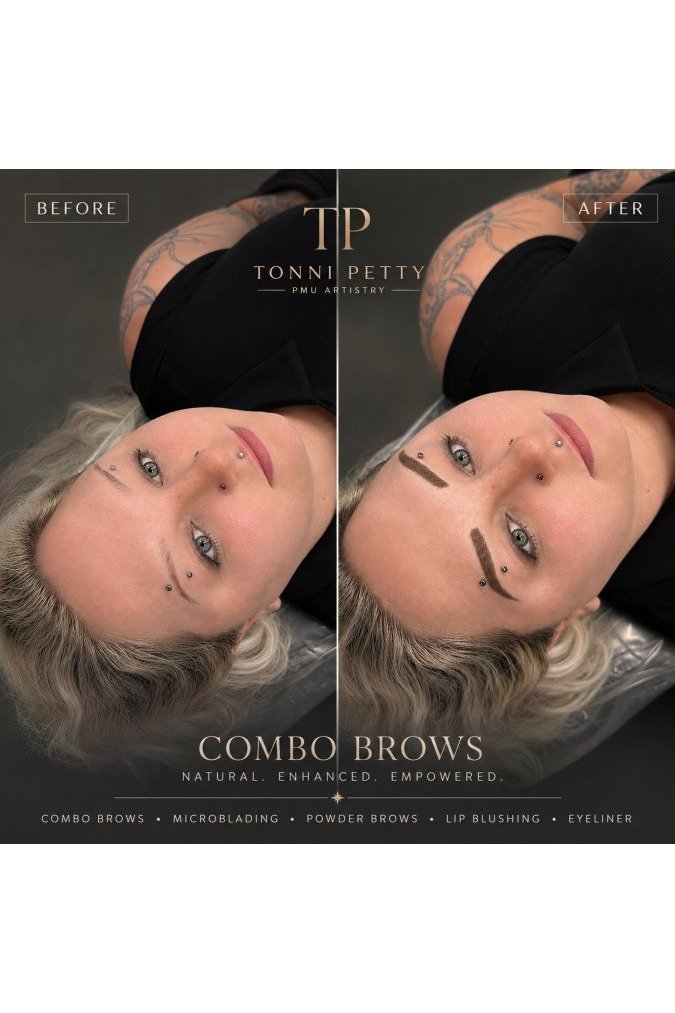
 listicle
Advanced Microblading Training for Professionals
Table of Contents
- Top Advanced Microblading Training Programs for Professionals
- Tonni Petty PMU Artistry: Master-Level One-on-One Training
- AMA Academy: Comprehensive Multi-Disciplinary PMU Education
- MN Brow Lash & Medspa Academy: Industry-Standard Certification
- Eudora Microblading: State-of-the-Art Facility Training
- DMV Beauty Clinic: Intensive Hands-On Certification
- S Beauty Institute: Flexible Online and In-Person Options
- PhiBrows Academy: Industry-Recognized Global Standard
- Quick Comparison: Training Format, Duration, and Focus
- Microblading Certification Requirements for Advanced Practitioners
- Microblading Training Duration: What to Expect
- Best Practices for Advanced Brow Mapping and Design
- Microblading Tools and Equipment for Expert Practitioners
- Troubleshooting and Correction Techniques in Advanced Practice
- Legal and Insurance Liability for Advanced Practitioners
- Frequently Asked Questions
Last Updated: September 21, 2026
Advanced microblading training for professionals demands more than basic technique. It requires mastery of skin anatomy, pigment chemistry, client psychology, and the legal frameworks that govern permanent cosmetics. At Tonni Petty PMU Artistry, we've spent over 22 years refining what separates competent practitioners from masters of the craft. This guide breaks down the top training programs available, what skills matter most, and the real-world challenges you'll face after certification.
Today, microblading is a competitive profession where training determines your reputation. Advanced microblading training for professionals requires understanding how skin reacts across ethnicities, ages, and conditions, knowing which pigments retain color versus shifting orange, and mastering the business practices that keep you profitable and protected.
Top Advanced Microblading Training Programs for Professionals
Tonni Petty PMU Artistry: Master-Level One-on-One Training
One-on-one training with a Master Instructor is the gold standard in permanent makeup education. Tonni Petty PMU Artistry offers exactly this, with a Master Technician certified through the American Institute of Intradermal Cosmetics and over 22 years of hands-on experience. The program emphasizes personalized consultation, brow mapping precision, and the anatomical knowledge that prevents catastrophic mistakes.
You learn from someone who teaches the business practices that protect you legally, including client assessment and managing unrealistic expectations.
The limitation is availability, scheduling around an active client roster means flexible but not rapid timelines. However, your mentor is actively practicing, not just teaching theory.
AMA Academy: Comprehensive Multi-Disciplinary PMU Education
AMA Academy covers four advanced PMU service categories with hands-on instruction and over 200 Google reviews. They offer travel credits for out-of-state students. Their strength is breadth, if you want a full-service PMU practice covering brows, lips, eyeliner, and scalp work, they structure training systematically with live models rather than silicone pads.
Pricing isn't publicly listed and varies by service categories chosen.
MN Brow Lash & Medspa Academy: Industry-Standard Certification
MN Brow Lash & Medspa Academy offers transparent pricing ($2,000-$5,000) with clear certification pathways and industry-standard techniques suited for medical spa or clinic settings.
Eudora Microblading: State-of-the-Art Facility Training
Eudora operates a 2,500 square foot dedicated training facility covering microblading, shading, and nano techniques. The professional environment mirrors what you'll eventually build, and you're not competing with active client appointments for instructor attention.
Pricing requires direct inquiry, and the application process is selective. They're not trying to maximize enrollment; they're curating cohorts for quality.
DMV Beauty Clinic: Intensive Hands-On Certification
DMV Beauty Clinic offers a 2-day intensive taught by international award-winning artists. Live model practice is the real value, working on actual human skin under expert supervision teaches how real skin bleeds, how different textures accept pigment, and how clients react during the procedure.
The program requires a non-refundable deposit and works best for practitioners with prior PMU experience seeking certification or a skill refresh.
S Beauty Institute: Flexible Online and In-Person Options
S Beauty Institute offers a 40-hour in-person workshop or 6-month online course starting at $1,800. Online training teaches theory but can't replace hands-on practice with real skin. Hybrid options (theory online, practicum in-person) work best if you need to phase training around work commitments.
PhiBrows Academy: Industry-Recognized Global Standard
PhiBrows Academy sets a globally recognized standard with rigorous methodology and specific protocols for stroke patterns, pigment selection, and brow design. Certification carries weight internationally for high-end brands. Pricing requires contact; the process is demanding and positions PhiBrows as the standard for premium practitioners.
Quick Comparison: Training Format, Duration, and Focus
| Program | Format | Duration | Best For | Key Differentiator |
|---|---|---|---|---|
| Tonni Petty PMU Artistry | One-on-one | Flexible | Master-level practitioners | 22+ years experience, legal/liability focus |
| AMA Academy | In-person, hands-on | Multi-week | Full-service PMU practices | Covers 4+ service categories |
| MN Brow Lash Academy | In-person | 2-4 weeks | Structured certification seekers | Transparent pricing ($2K-$5K) |
| Eudora Microblading | In-person facility | Variable | Artists wanting dedicated space | 2,500 sq ft professional facility |
| DMV Beauty Clinic | 2-day intensive | 2 days | Experienced practitioners | Award-winning international instructors |
| S Beauty Institute | Online or in-person | 40 hours or 6 months | Flexible learners | Hybrid options available |
| PhiBrows Academy | Mentorship-based | Variable | Premium brand builders | Global industry standard |
Microblading Certification Requirements for Advanced Practitioners
Certification requires bloodborne pathogen training, sanitation protocols, and documented hands-on experience. Professional liability insurance specifically covering PMU correction and removal is essential, standard esthetician insurance often excludes this work. Many states require continuing education credits as permanent cosmetics evolve with new pigment formulations, correction techniques, and regulatory changes.
Microblading Training Duration: What to Expect
Advanced microblading training typically spans 2 days to 6 months depending on format. The 2-day intensive works only if you already have foundational PMU skills. For someone starting fresh, 4-8 weeks of structured training is realistic.
Here's what that time actually covers: brow mapping (2-3 days), skin anatomy and physiology (2-3 days), pigment selection and color theory (2-3 days), hands-on practicum with live models (5-7 days), safety and sanitation protocols (1-2 days), and legal/business fundamentals (1-2 days).
The practicum is where the real learning happens. Practicing on synthetic skin teaches you hand pressure and stroke patterns. Working on actual human skin teaches you how skin bleeds differently, how different skin types accept pigment, and how to adjust your technique in real time.
Most programs recommend supervised practice before you work independently. Rushing to client work before you've mastered the fundamentals leads to corrections, which damage your reputation and cost you money.
Best Practices for Advanced Brow Mapping and Design
Brow mapping is where artistry meets anatomy. The golden ratio (a mathematical proportion found in nature) is a starting point, not a rule. Your actual brow design must account for client facial structure, natural hair growth, and realistic expectations.
Start with a consultation that assesses bone structure, not just preferences. A client who wants bold, thick brows might have facial proportions that demand subtlety. Your job is to educate them on what actually suits their face, not just deliver what they ask for.
Advanced brow mapping uses multiple reference points: the inner corner of the eye, the pupil, the outer corner, and the natural arch of the eyebrow bone. Asymmetry is normal; perfect symmetry looks unnatural and often worse than the client's starting point. The goal is balance, not identical twins.
Pigment selection for brow mapping matters more than most practitioners realize. A pigment that's too warm will shift orange. A pigment that's too cool will shift blue-gray. Your choice depends on the client's undertone, natural hair color, and skin depth. This is where color theory becomes practical.
Microblading Tools and Equipment for Expert Practitioners
Professional microblading requires precision tools: handheld blades (not rotary machines), sterile needles in specific configurations, pigments formulated for longevity, and tools for measuring and marking.
Troubleshooting and Correction Techniques in Advanced Practice
Correction work is where advanced training separates from basic certification. A practitioner who can only create new brows is limited. A practitioner who can correct previous work, lighten unwanted pigment, or salvage a bad procedure is invaluable.
Legal and Insurance Liability for Advanced Practitioners
This is the section most training programs gloss over, and it's where practitioners get hurt financially.
Frequently Asked Questions
What certifications do you need to microblade eyebrows professionally?
To work as a microblading professional, you typically need to complete an accredited advanced microblading training program and pass certification exams. Most states require proof of bloodborne pathogen training, sanitation certification, and completion of a recognized PMU curriculum. Some states also require a business license or cosmetology license. The American Institute of Intradermal Cosmetics and the American Academy of Micropigmentation set industry standards that many professionals pursue. Check your state's specific regulations, as requirements vary by location.
How long does it take to complete advanced microblading training?
Advanced microblading training duration varies depending on the program format. Full mastery including theory-based learning, practicum with live models, and certification requires dedicated training time.
What is the difference between fundamental and advanced microblading training?
Fundamental training covers basic stroke patterns, brow mapping, pigment selection, and client consultation. Advanced microblading training builds on these skills with master-level techniques including microshading, combo brows, correction of previous work, complex brow symmetry challenges, and deep understanding of skin anatomy and pigment retention. Advanced programs emphasize depth and pressure control, advanced color theory, troubleshooting techniques, and professional liability management. Master instructors teach nuanced approaches to different skin types and correction methods that entry-level courses don't address.
How much does advanced microblading certification cost?
Advanced microblading training costs vary depending on program length, instructor experience, and delivery format. Pricing varies by instructor credentials, facility quality, and included materials. For current pricing and specific program costs, contact individual training providers directly.
Do you need a tattoo license to perform advanced microblading?
Microblading does not require a tattoo license in most states because it is classified as semi-permanent cosmetic enhancement, not traditional tattooing. However, regulations vary significantly by state and county. Some jurisdictions require a cosmetology or esthetician license, while others have specific permanent makeup regulations. You will need bloodborne pathogen certification, sanitation training, and proof of completing an accredited PMU program. Check your state's health department and local regulations before starting your practice.