
 ultimate-guide
Is Scalp Micropigmentation Safe After Chemo
Table of Contents
- Is Scalp Micropigmentation Safe After Chemo
- Understanding Your Scalp's Recovery After Chemotherapy
- Medical Clearance for Scalp Tattoos: What Your Oncologist Needs to Know
- Scalp Micropigmentation Recovery Timeline After Cancer Treatment
- Permanent Makeup After Chemotherapy: Safety Considerations
- Key Safety Markers Before You Schedule Your Procedure
- What to Expect During and After Your Scalp Micropigmentation
- Frequently Asked Questions
Last Updated: September 27, 2026
Is Scalp Micropigmentation Safe After Chemo
Scalp micropigmentation safe after chemo is a question many cancer survivors ask as they consider their hair restoration options. The short answer: yes, it can be safe, but only with proper medical clearance and timing. The procedure involves implanting specialized pigment into the dermal layer of the scalp to simulate hair follicles, creating the appearance of fuller hair or a defined hairline. For patients navigating chemotherapy-induced alopecia, this non-surgical solution offers a meaningful way to restore confidence without waiting years for natural regrowth.
The critical factor isn't whether the procedure itself is dangerous, it's whether your immune system and scalp are ready. Chemotherapy temporarily compromises immune function, leaving you vulnerable to infection. Your oncologist must confirm that your blood count has normalized, your neutrophils and platelet levels are stable, and you've reached an appropriate point in your recovery timeline before any scalp work begins.
Understanding Your Scalp's Recovery After Chemotherapy
The real barrier to scalp micropigmentation after chemo isn't the scalp itself, it's your immune system's ability to protect the treated area from infection. Chemotherapy suppresses your bone marrow's production of white blood cells, the frontline defense against bacterial and fungal infection. Your scalp's healing capacity depends entirely on whether your immune system has rebuilt enough to handle a controlled micro-injury procedure.
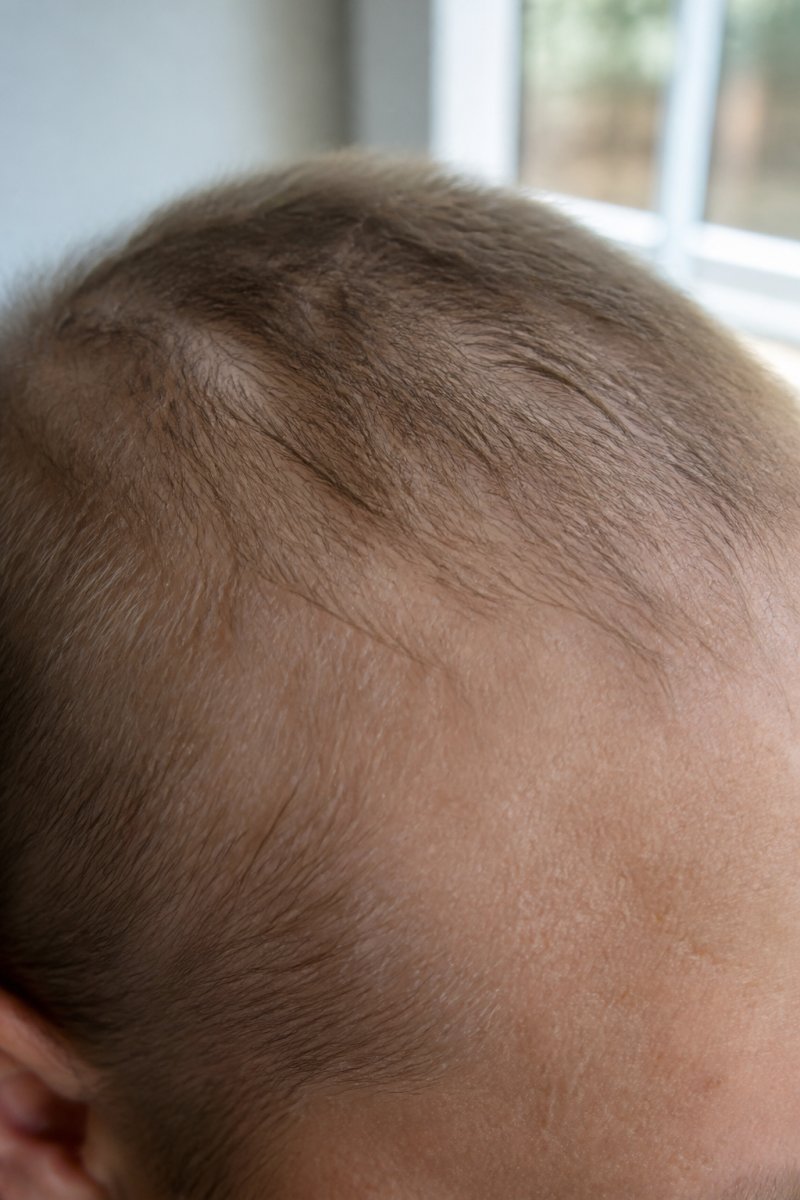
The immune recovery timeline is measurable. Neutrophils typically drop to dangerous levels during chemotherapy (below 1,500 cells per microliter is moderate neutropenia; below 500 is severe). Recovery begins once chemotherapy ends, but the timeline varies based on the specific drugs used. Patients who received taxanes or platinum-based agents often experience longer immune recovery periods. Your oncologist tracks this through regular complete blood count (CBC) tests, monitoring your absolute neutrophil count (ANC) as the primary safety marker.
Your scalp's physical condition also matters. During active chemotherapy, many patients experience scalp sensitivity, dermatitis, or unusual reactions to products they previously tolerated. The epidermis and dermis (where pigment is implanted) need to be in a stable, non-reactive state. If your scalp still burns easily, shows signs of dermatitis, or feels unusually tender months after treatment ends, deeper healing is still underway.
The healing process after chemo involves simultaneous recovery across multiple systems: bone marrow rebuilding white blood cell production, skin barrier restabilizing, and inflammatory response normalizing. Introducing pigment implantation during this overlapping recovery window increases infection risk substantially. This is why waiting for full immune recovery, confirmed by blood work, not just symptom improvement, is essential before scheduling scalp micropigmentation.
Most oncologists consider a patient ready for minor procedures when their absolute neutrophil count (ANC) is consistently above 1,500 cells per microliter and their white blood cell count is within normal range (typically 4,500-11,000 cells per microliter). For scalp micropigmentation specifically, waiting until at least 6-12 months post-treatment allows additional buffer time for your immune system to stabilize and your scalp to fully normalize its sensitivity and healing response.
Medical Clearance for Scalp Tattoos: What Your Oncologist Needs to Know
Your oncologist is your essential partner in this decision. Before any scalp micropigmentation procedure, you need explicit written clearance confirming specific medical markers and addressing medication interactions unique to post-chemo patients.
When consulting your oncologist about scalp micropigmentation after chemo, ask them to verify these specific criteria:
Immune function markers:
- Absolute neutrophil count (ANC) consistently above 1,500 cells per microliter
- White blood cell count within normal range (4,500-11,000 cells per microliter)
- Platelet count normalized (typically 150,000-400,000 per microliter)
- No active infections or signs of immunosuppression
- At least 6-12 months have passed since completing chemotherapy
- No evidence of cancer recurrence or secondary complications
Medication interactions specific to post-chemo patients: This is where many patients and practitioners miss critical safety issues. Certain medications commonly prescribed during or after cancer treatment can interfere with the scalp micropigmentation procedure or healing:
- Blood thinners (warfarin, apixaban, rivaroxaban, dabigatran): These increase bleeding during the procedure and can cause pigment to disperse unevenly or bleed out of the implantation site. Your oncologist may recommend temporarily adjusting dosing around your procedure date, but this requires coordination with your care team.
- Corticosteroids (prednisone, dexamethasone): If you're still taking steroids for inflammation or other post-treatment complications, they suppress immune function and slow healing. Most practitioners recommend waiting until you've tapered off steroids completely, or at minimum, are on the lowest effective dose.
- Immunosuppressants (methotrexate, mycophenolate): If prescribed for autoimmune complications that sometimes follow cancer treatment, these directly contraindicate scalp micropigmentation. You'll need to wait until you're no longer taking them.
- Certain antibiotics (fluoroquinolones, tetracyclines): Some antibiotics can cause photosensitivity or interact with pigment compounds. Your oncologist should review your current antibiotic regimen if you're taking one.
Pigment safety for post-chemo skin: Post-chemotherapy skin is often more sensitive and has a compromised barrier function. Ask your oncologist and your permanent makeup artist about the specific pigment being used. Reputable scalp micropigmentation pigments should be hypoallergenic and free of heavy metals like lead, cadmium, or mercury. A patch test 24-48 hours before the full procedure can identify unexpected allergic reactions.
Chemotherapy protocol specifics: Bring documentation of your chemotherapy protocol to your consultation. Taxanes and platinum agents are known for prolonged immune effects and long-term skin sensitivity, requiring longer recovery timelines. Anthracyclines can affect skin healing capacity. If you experienced unusual scalp or skin reactions during treatment, mention this explicitly.
Request written documentation that includes your current CBC results with specific cell counts, confirmation that you meet the minimum time requirement post-treatment, notation of any medications requiring timing adjustments, acknowledgment of your specific chemotherapy protocol, and permission for your permanent makeup artist to contact the oncology office if questions arise. This documentation protects both you and your practitioner by creating a medical record showing that a qualified oncologist reviewed your specific case and approved the procedure based on objective medical criteria.
Scalp Micropigmentation Recovery Timeline After Cancer Treatment
The timeline for when you can safely pursue scalp micropigmentation safe after chemo varies by individual. Most medical professionals recommend waiting at least 6-12 months after completing chemotherapy before scheduling the procedure, allowing your immune system to rebuild substantially and your scalp to return to a more stable state.
Here's what a typical recovery progression looks like:
- Weeks 1-4 after chemo ends: Hair loss may still be occurring; immune system is severely compromised. No cosmetic procedures should be considered.
- Months 2-3: Hair regrowth begins; immune function starts improving. Still too early for scalp work.
- Months 4-6: Noticeable hair regrowth; immune markers improving. Consult your oncologist about readiness.
- Months 6-12: Most patients show significant immune recovery and scalp stabilization. Medical clearance is often possible by this point.
- Beyond 12 months: Optimal window for scalp micropigmentation. Your body has had substantial time to rebuild defenses.
Individual timelines vary based on the type and intensity of chemotherapy received, your baseline health, and how quickly your specific immune markers recover. Your oncologist's guidance on your specific blood work determines your actual timeline, not a generic benchmark.
Permanent Makeup After Chemotherapy: Safety Considerations
Scalp micropigmentation falls under the permanent makeup category. The procedure creates a sterile environment and uses hypoallergenic pigments, but your body's ability to handle the procedure depends on your post-chemo status. The pigment implantation process involves needles creating controlled micro-injuries in the dermal layer. Your immune system must be strong enough to prevent infection while being stable enough not to over-react to the foreign pigment. This balance is only achieved after sufficient recovery time.
Some chemotherapy agents can affect skin sensitivity and healing capacity long-term. Your dermatologist or oncologist should confirm that your skin's barrier function and healing response have normalized. If you experienced severe skin reactions during treatment, you may need additional recovery time or modified aftercare protocols.
The pigment itself poses minimal risk, but your body's ability to integrate and stabilize it depends on normal immune function.
Key Safety Markers Before You Schedule Your Procedure
Immune function markers: Your white blood cell count should be within normal range (typically 4,500-11,000 cells per microliter), neutrophil levels adequate, and platelet count normal. These are the foundation of infection prevention.
What to Expect During and After Your Scalp Micropigmentation
The scalp micropigmentation procedure takes 2-4 hours, depending on the coverage area and desired density. The artist uses a specialized handheld device to implant pigment into the dermal layer, creating the appearance of hair follicles. For cancer survivors, post-treatment care may require extra attention.
Frequently Asked Questions
How long should I wait to get scalp micropigmentation after chemotherapy?
Most oncologists recommend waiting at least 3 to 6 months after your final chemotherapy session before pursuing scalp micropigmentation. This timeline allows your immune system to recover, blood counts to stabilize, and your scalp to regain its natural resilience. However, the exact timing depends on your individual recovery, your oncologist will assess your blood work and overall health to determine when you're ready. Rushing into the procedure too early risks infection and poor pigment retention.
What medical clearance is required for scalp micropigmentation after cancer treatment?
You need written clearance from your oncologist before scheduling scalp micropigmentation. Your oncologist will review your current blood counts (particularly white blood cells and platelets), confirm you're past the acute recovery phase, and verify you have no active infections or immune-suppressing medications that would interfere with healing. This clearance protects both your health and ensures the procedure can be performed safely. Bring this documentation to your consultation so your technician can confirm all safety requirements are met.
Is scalp micropigmentation safe if my hair is still growing back after chemo?
Yes, scalp micropigmentation can be performed while your hair is regrowing, and it won't interfere with that regrowth. The procedure deposits pigment in the dermal layer beneath the epidermis, so new hair growth occurs independently. In fact, many patients choose to have the procedure done during regrowth because it blends seamlessly with emerging hair and creates a fuller appearance faster. Your technician will assess your scalp's current condition and healing status to determine the best timing for your specific situation.
What are the main infection risks with scalp micropigmentation after chemotherapy?
During chemotherapy recovery, your immune system is temporarily compromised, which increases vulnerability to infection. Scalp micropigmentation involves creating controlled micro-injuries to deposit pigment, so infection risk is higher if your white blood cell count hasn't recovered sufficiently. This is why oncologist clearance and blood work verification are essential. Once your immune markers are stable and you're cleared by your doctor, the infection risk for scalp micropigmentation is comparable to any other cosmetic procedure. Working with a certified technician who maintains sterile protocols further minimizes this risk.