
 ultimate-guide
How Long Do Combination Brows Last: A Complete Guide
Table of Contents
- How Long Do Combination Brows Actually Last
- Factors Affecting Permanent Makeup Longevity
- The Healing Process Timeline
- Combination Brows Touch-Up Frequency: When to Schedule Your Next Appointment
- Combo Brows Aftercare Tips for Maximum Longevity
- Why Color Shift Happens and How to Prevent It
- Frequently Asked Questions
Last Updated: October 2, 2026
How Long Do Combination Brows Actually Last
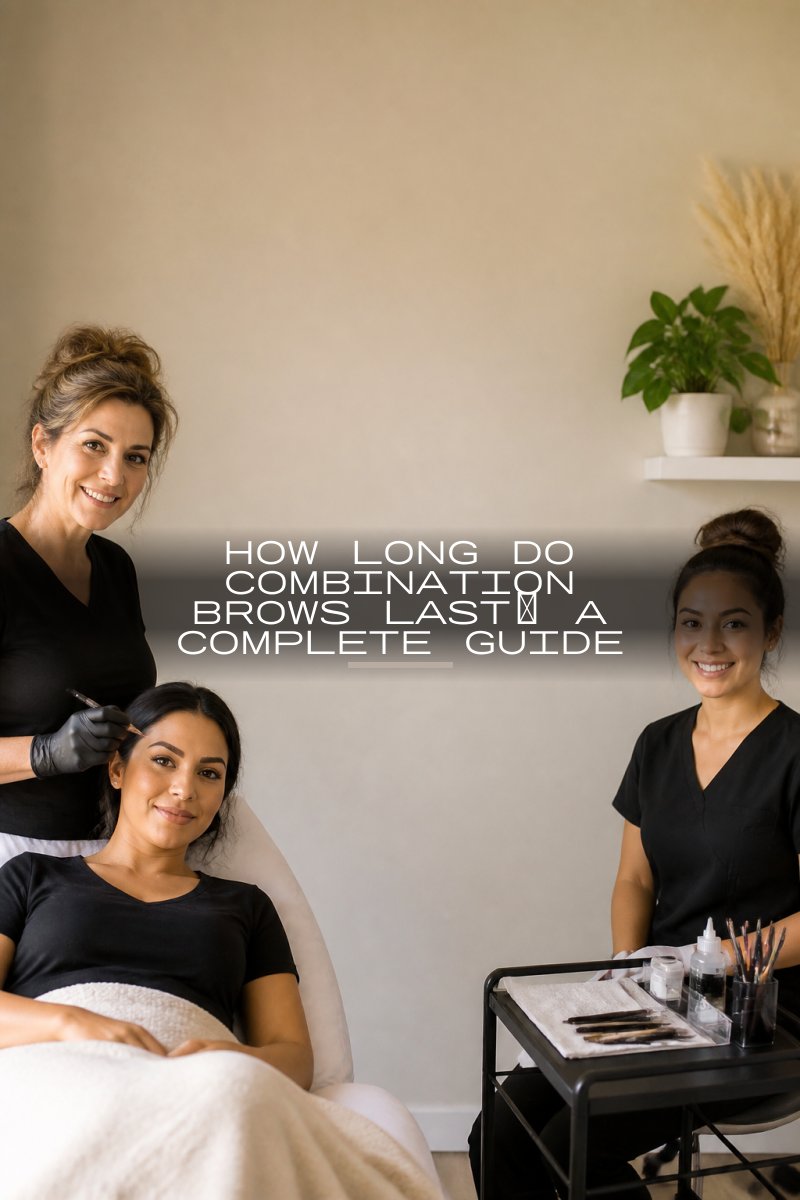
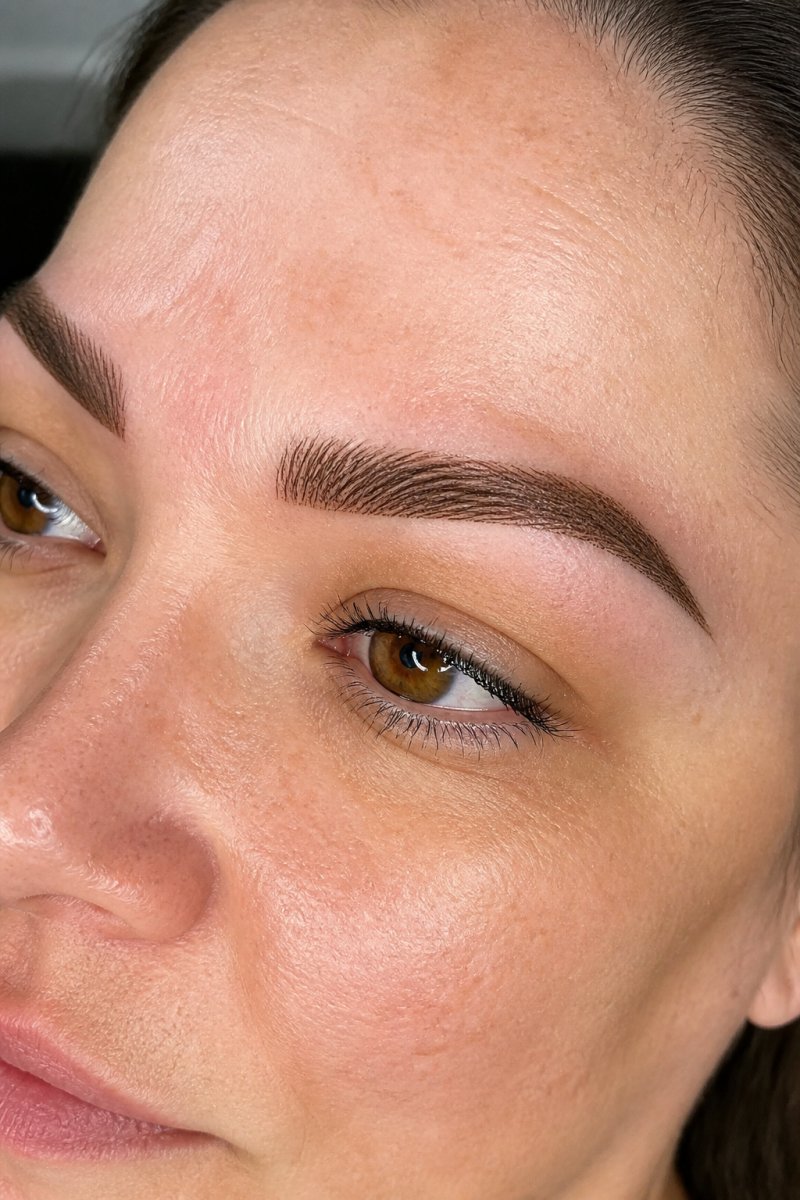
Combination brows blend microblading (hair-like strokes) with powder shading (depth and fullness) into one semi-permanent result. At Tonni Petty PMU Artistry, we understand exactly how long combination brows last and what factors influence their longevity.
The honest answer: combination brows typically last between 1 to 3 years, with most clients seeing optimal results for 18 to 24 months before noticeable fading occurs. This timeline varies significantly based on individual skin type, lifestyle, aftercare, and how your body metabolizes the pigment over time.
Factors Affecting Permanent Makeup Longevity
Longevity depends on skin type, sun exposure, daily habits, and body chemistry, all of which affect pigment retention and color saturation.
Skin Type and Pigment Retention
Your skin type is one of the most significant predictors of how long combination brows will maintain their appearance. Oily skin tends to push pigment out faster than dry or normal skin, sometimes reducing longevity by 6 to 12 months. The natural oils in oily skin can interfere with pigment adhesion in the dermal layer, causing earlier fading and patchiness.
Dry skin retains pigment better but may experience more peeling during healing. Combination skin offers moderate retention without extreme challenges.
Sensitive skin requires extra attention; inflammation can impact pigment setting and longevity. Discuss keloid or scarring history with your technician before booking.
Sun Exposure and Environmental Impact
Sun exposure is one of the fastest ways to fade combination brows. UV rays break down pigment molecules in the dermal layer, causing color shift and premature fading. Clients who spend significant time outdoors without sun protection often see noticeable fading within 12 to 18 months, compared to the standard 18 to 24 month window.
Chlorine, salt water, and hard water degrade pigment quality. Regular swimmers or coastal residents should expect more frequent touch-ups.
Humidity and heat accelerate pigment oxidation, causing unwanted color shifts, especially relevant in summer or humid climates.
Lifestyle Choices and Daily Habits
Exfoliation accelerates fading. Avoid physical exfoliants, chemical peels, and retinol on or near the brow area during healing and beyond.
Facials, microdermabrasion, and professional treatments remove surface layers where pigment resides, causing faster fading. Plan for more frequent touch-ups if you pursue these treatments.
Sleep position matters more than most people realize. Sleeping face-down on your pillow creates friction and pressure on the brows during the critical healing window. This can disrupt pigment placement and lead to patchiness or uneven color retention.
The Healing Process Timeline
Understanding the healing process is essential because what happens in the first 4 to 6 weeks directly affects how long combination brows will ultimately last. The healing process determines how well the pigment sets into the dermal layer and how resistant it becomes to fading triggers.
Days 1-2: Inflammatory Response and Pigment Deposition
During the first 24 to 48 hours, the brows appear darker and slightly swollen, this is normal. The pigment is still on the surface and hasn't fully integrated. Your body's inflammatory response is beginning, which is necessary for healing but makes pigment vulnerable to excess fluid or moisture.
Days 3-7: The Peeling Phase and Pigment Vulnerability
By day 3 to 7, flaking and scabbing occur as the skin sheds the damaged outer layer. Picking at scabs or allowing excess moisture disrupts healing and causes patchy retention. During this window, pigment is being encapsulated by new skin cells.
Shading appears lighter after healing but integrates into the dermal layer.
Weeks 2-4: Dermal Integration and Apparent Fading
Weeks 2 to 4 involve deeper healing as fibroblasts encapsulate pigment particles. Brows may appear 30 to 40 percent lighter, this is normal and doesn't indicate failed retention. The pigment is being "buried" deeper as the epidermis regenerates above it.
Avoid activities that increase blood flow (intense exercise, saunas, hot yoga) and active skincare ingredients (retinol, vitamin C serums) as they can mobilize pigment or disrupt encapsulation.
Weeks 4-6: Color Stabilization and Completion of Primary Healing
By week 4 to 6, healing is largely complete and true results emerge. Pigment is locked into the dermal layer, and you can assess whether a touch-up is needed.
Full color stabilization can take up to 8 weeks, particularly for mature skin where collagen production declines with age. Clients over 50 should expect the full 6 to 8 week window before scheduling a touch-up.
Why Healing Quality Predicts Longevity
Healing quality determines longevity. Even integration and full encapsulation protect pigment from surface damage and UV exposure. Disrupted healing leaves pigment partially superficial and vulnerable to faster fading.
Combination Brows Touch-Up Frequency: When to Schedule Your Next Appointment
Most clients need their first touch-up between 4 to 6 weeks after the initial appointment. This touch-up addresses uneven pigment or natural fading during healing.
After the initial touch-up, schedule maintenance between 12 to 18 months for optimal color and shape. Those with oily skin or high sun exposure may need touch-ups every 9 to 12 months.
A touch-up refreshes existing pigment and addresses minor fading. A new set starts over with fresh pigment, necessary if brows have faded significantly or you want a different shape or color. New sets typically occur every 2 to 3 years.
Schedule touch-ups proactively before significant fading to maintain consistent color and shape. Waiting until brows are nearly gone makes the next appointment more intensive.
Combo Brows Aftercare Tips for Maximum Longevity
The first 7 to 10 days are critical for retention. Avoid water, sweat, and moisture, no swimming, heavy exercise, saunas, or prolonged hot showers.
Keep brows dry and clean. Use only recommended aftercare products. Avoid makeup, serums, oils, and fragranced products during healing.
Sleep on your back to prevent friction on healing brows. Side sleepers should use a clean pillowcase and minimize brow contact.
After healing, sun protection is your primary maintenance tool. Use SPF 30 or higher daily on brows, even on cloudy days. Reapply every 2 hours if spending significant time outdoors.
Avoid aggressive exfoliation near brows. Apply retinol, chemical peels, and physical exfoliants carefully around the brow area or skip it entirely.
Minimize friction on brows. Avoid rubbing, scratching, or picking, even if they itch. Use a clean finger or cotton swab if needed.
Why Color Shift Happens and How to Prevent It
Color shift, fading to an unexpected shade, is a common concern. It results from pigment chemistry and how your skin interacts with pigments over time.
Pigment Oxidation and Molecular Breakdown
Pigment oxidation occurs as molecules interact with oxygen and UV exposure. Most professional pigments are iron oxide-based.
Technician pigment selection matters enormously, they choose formulations designed to oxidize aesthetically or with built-in compensations.
How Skin Chemistry Accelerates or Slows Oxidation
Your skin's natural pH directly influences oxidation speed. Higher pH (more alkaline) oxidizes pigments faster than lower pH (more acidic).
Oily skin accelerates oxidation. Sebum interacts with pigment particles, and oily skin's higher pH compounds the effect.
Dry skin creates a stable environment for pigment, slowing oxidation. However, dry skin can be more prone to inflammation during healing, affecting even integration and potentially creating uneven color shifts.
Sun Exposure and UV-Induced Pigment Breakdown
Sun exposure accelerates oxidation dramatically. UV-A and UV-B rays break molecular bonds, causing pigment degradation and color change.
UV radiation excites electrons in pigment molecules, destabilizing structure. Over repeated exposure, pigment becomes chemically altered. SPF protection prevents both fading and the chemical transformation causing unwanted color shifts.
Environmental and Lifestyle Factors That Trigger Shifts
Beyond sun exposure, other environmental factors accelerate color shift. Chlorine from swimming pools is a known culprit.
Salt water from ocean exposure has a similar effect, though through a different mechanism. Salt water is hypertonic, meaning it draws moisture from skin cells.
Hard water (water with high mineral content) can also contribute to color shift over time.
Regular use of exfoliating acids (glycolic acid, salicylic acid, lactic acid) near the brows can accelerate color shift indirectly.
Preventing Color Shift: A Layered Approach
To prevent color shift, prioritize sun protection as your primary defense. Use SPF 30 or higher daily on the brows, and reapply every 2 hours if you're spending significant time outdoors.
Second, minimize exposure to chlorine and salt water.
Third, be intentional about skincare near the brows.
Finally, schedule touch-ups proactively before significant color shift occurs. When you do need a touch-up, communicate any color concerns to your technician.
Frequently Asked Questions
How often do you need a touch-up for combination brows?
Most clients need a touch-up every 12-18 months, though this varies based on skin type, sun exposure, and aftercare habits. Oily skin tends to fade faster, while those with dry skin may retain pigment longer. A maintenance touch-up refreshes color saturation and adjusts shape as your natural brows grow. The distinction between a touch-up and a full new set matters: a touch-up addresses fading and minor adjustments, while a new set rebuilds the entire design. Your technician will assess pigment retention during your healing window to determine timing.
Do combination brows fade completely over time?
Combination brows do not fade completely, but they do lighten gradually. Most clients see noticeable fading after 18-24 months, with color saturation dropping by 20-40% depending on lifestyle and skin chemistry. Proper aftercare, sun protection, and avoiding exfoliants and retinol extend the healing process and slow fading. If you skip touch-ups entirely, brows will continue to lighten but usually remain visible as a soft tint for several years.
What causes combination brows to fade or change color?
Pigment oxidation is the primary cause of color shift. Sun exposure accelerates fading by breaking down pigment particles in the dermal layer. Exfoliating products, chemical peels, and retinol also speed fading by promoting skin cell turnover. Body chemistry plays a role too: oily skin naturally sheds pigment faster, while dry skin retains it longer. Additionally, age-related skin changes and hormonal shifts can affect how your skin holds pigment. Certain medications and medical conditions may also impact longevity, making personalized aftercare essential.
Can I get combination brows if I have very oily skin?
Yes, combination brows work on oily skin, but pigment retention will be shorter (typically 12-15 months before noticeable fading). Oily skin naturally sheds pigment faster because excess sebum can push pigment particles out during the healing process. Your technician can adjust technique and pigment depth to compensate, and strict aftercare becomes even more critical. Avoiding excess moisture, oil-control products, and sun exposure during the healing window helps maximize retention. Discuss your skin type during your initial appointment so your technician can set realistic expectations and recommend a touch-up schedule tailored to your body chemistry.